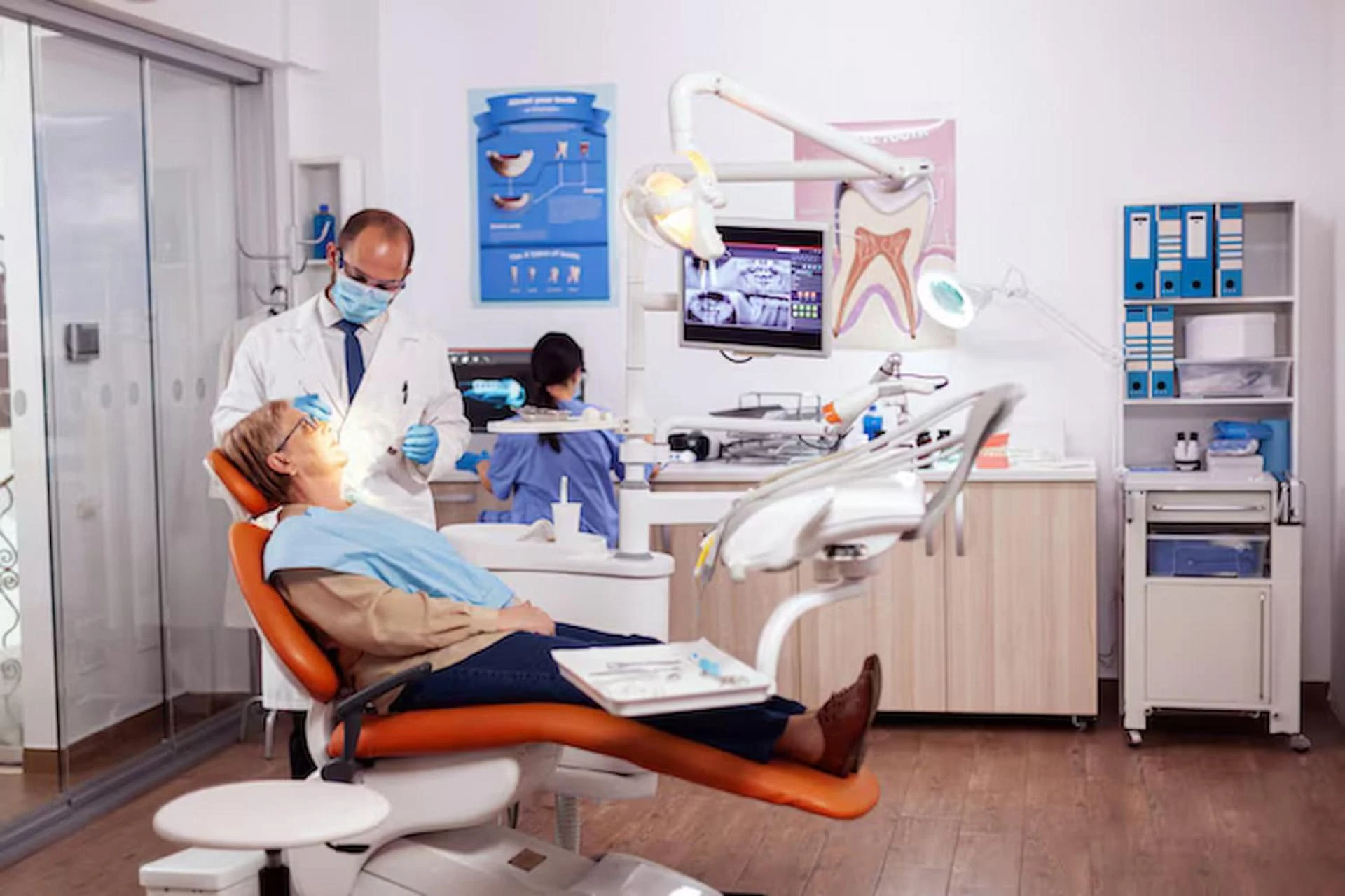

Dental problems can arise at any time, often without warning. While many people are familiar with visiting a regular dentist for routine checkups and planned treatments, fewer understand the role of an emergency dental clinic. Knowing the difference between these two types of dental care providers can help patients make informed decisions when oral health issues occur. This article explores how an emergency dental clinic differs from a regular dentist, when each is appropriate, and why both play essential roles in maintaining dental health.
In the opening moments of severe tooth pain, swelling, or trauma, access to timely care becomes critical. An emergency dental clinic is designed specifically to address urgent dental problems that cannot wait for a scheduled appointment. Regular dentists, on the other hand, focus primarily on preventive care and non urgent treatments. Understanding how these services complement each other helps patients receive the right care at the right time.
Understanding Emergency Dental Clinics
Purpose and Scope of Emergency Care
An emergency dental clinic is structured to handle dental issues that require immediate attention. These clinics prioritize rapid diagnosis and treatment to relieve pain, prevent infection, and protect overall health. Emergencies may include severe toothaches, dental abscesses, broken or knocked out teeth, uncontrolled bleeding, or facial swelling linked to dental infections.
Unlike routine dental visits, emergency care is reactive rather than preventive. The primary goal is to stabilize the condition and reduce immediate risk. In many cases, temporary solutions may be provided until comprehensive treatment can be completed later.
Availability and Accessibility
One of the defining features of emergency dental clinics is extended availability. Many offer same day appointments, after hours services, or weekend care. This flexibility ensures that patients experiencing acute pain or injury can receive attention without delay.
Accessibility is especially important during dental emergencies, as delaying care can lead to worsening pain, spread of infection, or permanent damage to teeth and surrounding tissues.
Types of Treatments Offered
Emergency dental clinics provide treatments aimed at immediate relief and stabilization. These may include pain management, infection control, temporary restorations, tooth extractions, or reimplantation of dislodged teeth when possible. Diagnostic imaging is often used to quickly assess the severity of the problem.
While emergency clinics may not always complete complex restorative procedures in one visit, they focus on preventing complications and guiding patients toward appropriate follow up care.
Understanding Regular Dentists
Focus on Preventive and Routine Care
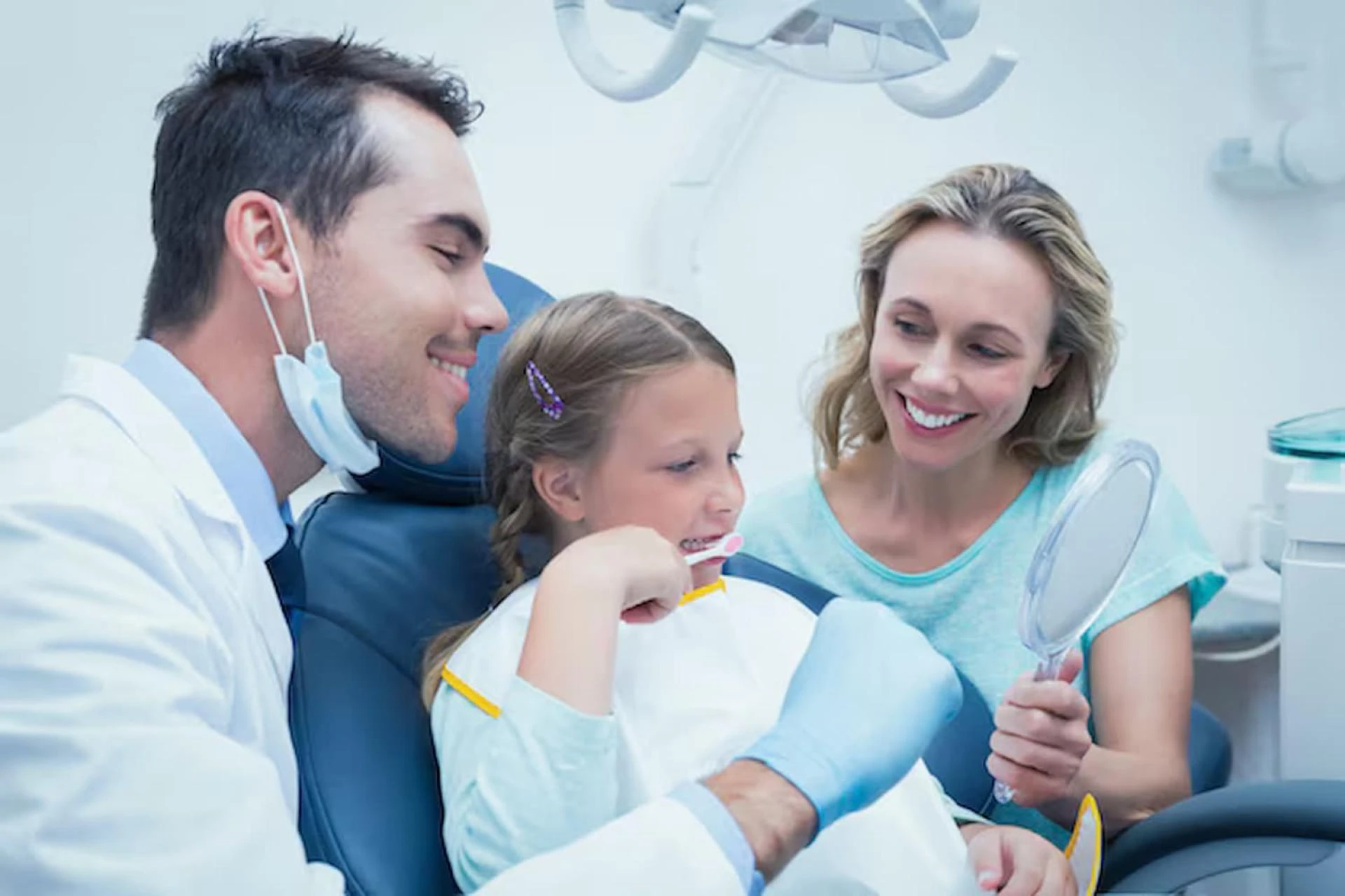
A regular dentist plays a central role in maintaining long term oral health. Their primary focus is preventive care, including regular cleanings, examinations, and early detection of dental issues. Routine visits help prevent cavities, gum disease, and other common oral health problems.
Regular dentists also manage planned treatments such as fillings, crowns, cosmetic procedures, and orthodontic care. These services are typically scheduled in advance and are part of a comprehensive oral health plan.
Patient Dentist Relationship
One of the strengths of a regular dentist is the ongoing relationship built with patients over time. Familiarity with a patient dental history allows for personalized care and consistent monitoring of oral health changes. This continuity supports early intervention and better long term outcomes.
Patients often feel more comfortable discussing concerns and treatment preferences with a dentist they know and trust, which enhances communication and satisfaction.
Structured Appointment Scheduling
Regular dental practices usually operate on a structured schedule, with appointments booked days or weeks in advance. This approach works well for routine care and elective treatments but may not be suitable for urgent situations.
While some regular dentists accommodate emergencies during office hours, they may not always be available outside normal working times.
Key Differences Between Emergency Dental Clinics and Regular Dentists
Response Time and Urgency
The most significant difference lies in response time. Emergency dental clinics are designed to respond immediately to urgent situations. Regular dentists prioritize scheduled care and may have limited availability for sudden issues.
For patients experiencing severe pain or trauma, the speed of care can make a substantial difference in comfort and recovery.
Treatment Goals
Emergency care focuses on immediate relief and stabilization. The goal is to address the pressing issue and prevent further harm. Regular dental care aims to maintain oral health, improve function, and enhance appearance over time.
Both approaches are essential, but they serve different purposes depending on the situation.
Cost Considerations
Emergency dental care may sometimes involve higher costs due to the urgency, extended hours, or specialized resources required. However, addressing a problem early can prevent more costly complications later.
Regular dental care often involves predictable costs and may be covered more comprehensively by dental insurance plans, especially for preventive services.
Follow Up and Continuity
After emergency treatment, patients are often referred back to a regular dentist for follow up care. This collaboration ensures that temporary solutions are replaced with permanent treatments and that overall oral health is restored.
Regular dentists provide continuity, monitoring healing progress and integrating emergency outcomes into long term care plans.
When to Choose an Emergency Dental Clinic
Signs of a Dental Emergency
Certain symptoms indicate the need for immediate dental attention. These include intense tooth pain that does not subside, swelling in the face or gums, signs of infection such as fever or pus, dental trauma from accidents, or bleeding that cannot be controlled.
Ignoring these symptoms can lead to serious health risks, making emergency care the appropriate choice.
Situations Requiring Immediate Action
Dental emergencies often occur outside regular office hours. In such cases, an emergency dental clinic provides a critical safety net. Quick intervention can save a tooth, reduce pain, and prevent infections from spreading to other parts of the body.
Choosing emergency care in these moments prioritizes patient well being and minimizes long term damage.
When a Regular Dentist Is the Better Choice
Routine Maintenance and Prevention
For regular checkups, cleanings, and non urgent concerns, a regular dentist is the ideal provider. Preventive care reduces the likelihood of emergencies by identifying issues early and maintaining healthy teeth and gums.
Consistent visits also support education on oral hygiene practices and lifestyle choices that impact dental health.
Planned and Comprehensive Treatments
Complex procedures such as crowns, bridges, implants, or cosmetic enhancements are best managed by a regular dentist. These treatments require careful planning, multiple visits, and a detailed understanding of the patient dental history.
Regular dentists are equipped to provide comprehensive care in a controlled and familiar environment.
How Emergency and Regular Dental Care Work Together
Complementary Roles
Emergency dental clinics and regular dentists are not competitors but partners in patient care. Emergency services address urgent needs, while regular dental practices ensure long term health and stability.
Together, they form a complete dental care system that responds to both immediate and ongoing needs.
Improving Patient Outcomes
Prompt emergency treatment followed by consistent regular care leads to better outcomes. Patients experience reduced pain, faster recovery, and improved oral health when both types of services are used appropriately.
Education about when to seek emergency care empowers patients to act quickly and responsibly.
Conclusion
Understanding the difference between an emergency dental clinic and a regular dentist helps patients navigate dental challenges with confidence. Emergency clinics provide immediate care during urgent situations, focusing on pain relief and stabilization. Regular dentists support long term oral health through preventive care, planned treatments, and ongoing relationships.
Both services are essential, and knowing when to use each can protect dental health and overall well being. For those seeking reliable guidance and comprehensive dental support, Glenside Dental represents a trusted name in patient focused care and professional excellence.


























Sign in to leave a comment.