

Visiting a Family dentist is an important step in maintaining long term oral health for individuals of all ages. From young children experiencing their first dental appointment to adults seeking preventive or restorative care, a family focused dental visit is designed to be comprehensive, comfortable, and educational. Understanding what typically happens during these visits can help patients feel more confident, reduce anxiety, and encourage regular dental care as part of a healthy lifestyle.
A family oriented dental appointment focuses on prevention, early detection, and personalized treatment planning. Each visit is structured to address current dental needs while also promoting habits that support lifelong oral wellness. Knowing what to expect allows families to prepare both mentally and practically, making each appointment more productive and stress free.
Understanding the Role of a Family Dentist
A family dentist provides dental care to patients across different age groups, offering a wide range of services under one roof. This approach ensures continuity of care and helps establish long lasting relationships built on trust and familiarity.
Comprehensive Care for All Ages
Family dental care is designed to meet the evolving oral health needs of children, teenagers, adults, and seniors. Young patients benefit from early preventive care and education, while adults receive maintenance, restorative treatments, and guidance for managing age related dental concerns. This all inclusive approach simplifies scheduling and allows families to rely on a single dental provider for consistent care.
Focus on Prevention and Education
Preventive care is a cornerstone of family dentistry. Regular checkups, cleanings, and patient education help reduce the risk of cavities, gum disease, and other oral health problems. Family dental visits emphasize proper brushing, flossing techniques, and dietary choices that support healthy teeth and gums.
Preparing for a Family Dentist Visit
Preparation plays a key role in ensuring a smooth and successful dental appointment. Understanding what to bring and how to prepare can make the experience more efficient and comfortable for the entire family.
Scheduling the Appointment
Family dental offices typically offer flexible scheduling options to accommodate busy households. Many families prefer booking appointments together or back to back to save time. Morning appointments are often ideal for children, as they tend to be more alert and cooperative earlier in the day.
Gathering Medical and Dental History
Before the visit, patients may be asked to provide medical and dental history information. This includes details about previous treatments, medications, allergies, and existing health conditions. Accurate information helps the dental team tailor care to each individual’s needs and ensure safe treatment.
Helping Children Feel Comfortable
For children, especially first time visitors, explaining what will happen during the visit can reduce fear and anxiety. Using positive language and avoiding negative descriptions helps create a calm mindset. Some parents find it helpful to read books or watch videos about dental visits with their children beforehand.
The Initial Check In Process
Upon arrival, the check in process sets the tone for the entire appointment. A welcoming and organized environment helps patients feel at ease from the moment they enter.
Completing Paperwork and Verification
Patients may be asked to complete or update forms related to health history, insurance, and consent. This ensures records are current and allows the dental team to provide accurate care. Staff members are typically available to assist with any questions or concerns during this step.
Meeting the Dental Team
Patients are introduced to dental hygienists, assistants, and the dentist. Building rapport with the dental team helps establish trust and makes future visits more comfortable. Friendly interactions are especially important for children, as positive early experiences shape their attitude toward dental care.
The Dental Examination Explained
The dental examination is a thorough evaluation of oral health, designed to identify any existing or potential issues.
Visual Examination of Teeth and Gums
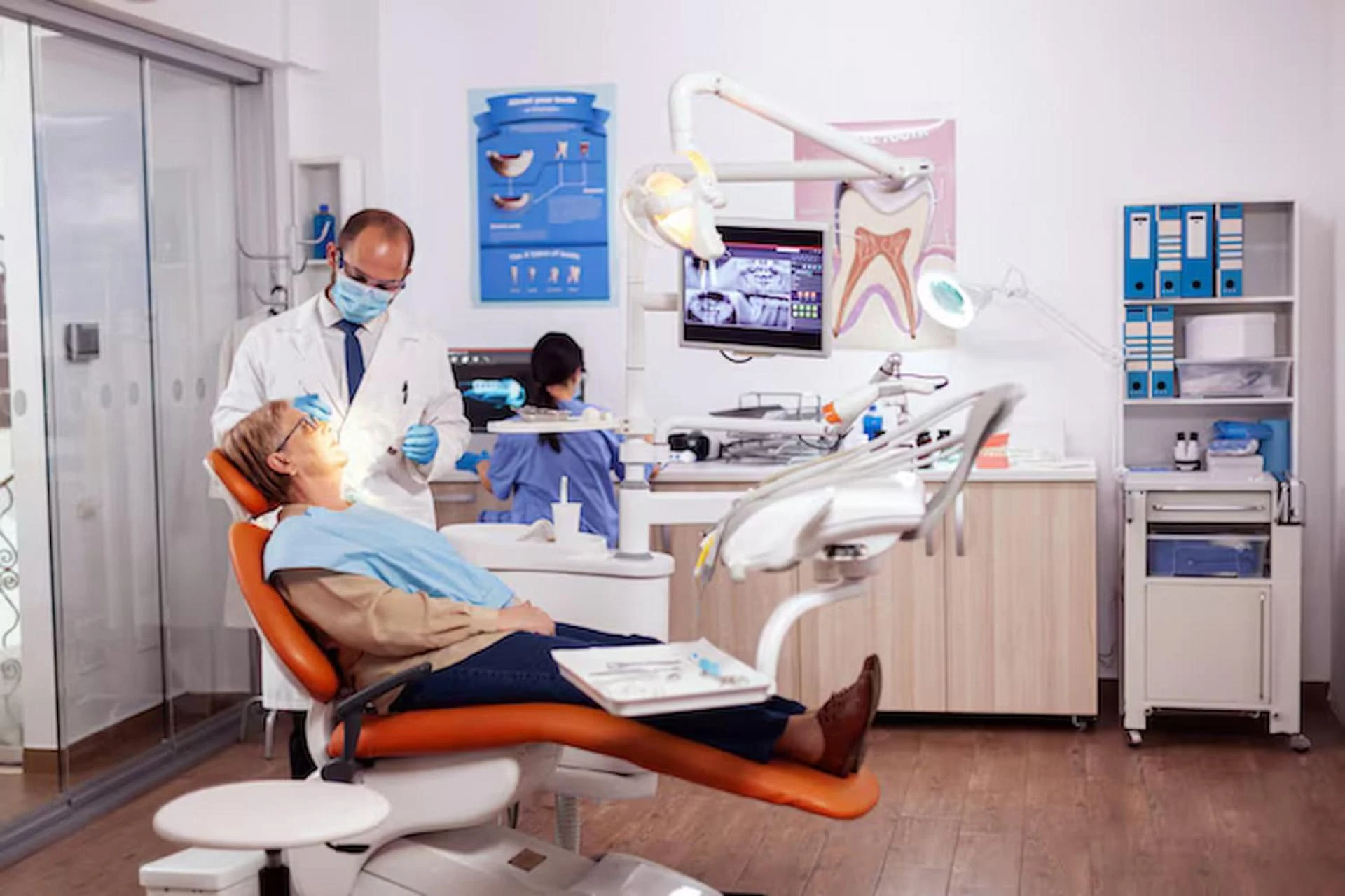
The dentist examines the teeth, gums, tongue, and surrounding tissues to check for signs of decay, gum disease, infection, or abnormalities. This visual inspection provides valuable insights into overall oral health and helps detect issues early.
Digital Imaging When Needed
In some cases, dental imaging may be recommended to gain a clearer view of areas not visible during a visual exam. Imaging helps identify cavities between teeth, assess bone health, and monitor the development of teeth in children. These images support accurate diagnosis and treatment planning.
Oral Cancer Screening
As part of a comprehensive exam, many family dental visits include an oral cancer screening. This involves checking the mouth and neck for unusual lumps, sores, or discoloration. Early detection plays a crucial role in successful treatment outcomes.
Professional Dental Cleaning
Professional cleaning is an essential part of every family dental visit. It removes buildup that cannot be eliminated through regular brushing and flossing alone.
Plaque and Tartar Removal
A dental hygienist carefully removes plaque and tartar from the teeth, particularly around the gumline and between teeth. This process helps prevent cavities and reduces the risk of gum disease.
Polishing and Fluoride Application
After cleaning, teeth are polished to remove surface stains and create a smooth finish. In many cases, a fluoride treatment is applied to strengthen enamel and protect against decay. Fluoride is especially beneficial for children and individuals prone to cavities.
Personalized Treatment Recommendations
Following the examination and cleaning, the dentist discusses findings and provides personalized recommendations based on each patient’s needs.
Preventive Care Guidance
Patients receive advice on maintaining good oral hygiene at home, including brushing techniques, flossing habits, and dietary considerations. Preventive guidance is tailored to age, lifestyle, and specific risk factors.
Addressing Existing Dental Issues
If cavities, gum disease, or other concerns are identified, the dentist explains available treatment options. This includes discussing procedures, timelines, and expected outcomes. Clear communication helps patients make informed decisions about their care.
Planning Future Visits
The dentist recommends a schedule for future checkups and cleanings, typically every six months. For patients with specific conditions, more frequent visits may be advised to maintain optimal oral health.
Special Considerations for Children and Teens
Family dental visits are uniquely equipped to support the oral development of younger patients.
Monitoring Tooth Development
Dentists track the growth and alignment of children’s teeth, ensuring proper development. Early identification of issues such as crowding or bite problems allows for timely intervention.
Teaching Healthy Habits Early
Children learn the importance of oral hygiene through age appropriate explanations and demonstrations. Establishing good habits early helps prevent dental problems and promotes confidence in caring for their teeth.
Supporting Teens Through Changes
Teenagers experience hormonal changes that can affect oral health. Family dental visits address concerns such as gum sensitivity, orthodontic needs, and sports related dental protection.
Benefits of Regular Family Dentist Visits
Consistent dental care offers numerous benefits that extend beyond a healthy smile.
Building Long Term Trust
Seeing the same dental provider over time fosters trust and familiarity. Patients feel more comfortable discussing concerns and are more likely to follow recommended care plans.
Early Detection and Cost Savings
Regular visits allow for early detection of dental issues, often preventing the need for extensive and costly treatments later. Preventive care is both effective and economical.
Promoting Overall Health
Oral health is closely linked to overall health. Routine dental visits help identify signs of systemic conditions and support overall wellness for the entire family.
Conclusion
Understanding what to expect during a family dentist visit helps patients approach appointments with confidence and clarity. From preparation and check in to examinations, cleanings, and personalized guidance, each step is designed to support lifelong oral health. Family focused dental care emphasizes prevention, education, and continuity, making it easier for individuals of all ages to maintain healthy smiles.
Choosing a trusted dental provider ensures consistent care, personalized attention, and a positive experience for the entire household. With a focus on comfort and comprehensive treatment, Glenside Dental represents the kind of family centered approach that supports long term oral wellness and confident smiles for every stage of life.
































Sign in to leave a comment.