

Dental emergencies can be stressful, painful, and unexpected. When sudden oral health issues arise, understanding what happens during an emergency visit can help reduce anxiety and ensure faster, more effective treatment. emergency dental care focuses on relieving pain, preventing further damage, and stabilizing oral health until long term solutions can be planned. Knowing what to expect before, during, and after the visit allows patients to feel more prepared and confident during a difficult moment.
Understanding a Dental Emergency
Not every dental issue requires immediate attention, but some conditions demand prompt care to prevent complications. Recognizing what qualifies as a dental emergency helps individuals decide when to seek urgent treatment.
Common Types of Dental Emergencies
Dental emergencies can take many forms. Severe toothaches often indicate infection or decay that has reached the nerve. Knocked out or loose teeth usually result from accidents or injuries and require immediate attention to improve the chances of saving the tooth. Cracked or broken teeth can expose sensitive inner layers and cause significant pain. Abscesses and swelling in the gums or face may signal serious infections that can spread if left untreated. Bleeding that does not stop after injury or surgery is another situation that warrants urgent care.
Situations That Can Wait
Some dental concerns can be addressed during a regular appointment. Minor chips without pain, dull tooth sensitivity, or lost fillings without discomfort may not require immediate attention. However, when in doubt, contacting a dental professional for guidance is always recommended.
Preparing for an Emergency Dental Visit
Preparation can make an emergency visit smoother, even when the situation feels overwhelming. Taking a few steps before arriving can help dental professionals provide care more efficiently.
What Information to Bring
Patients should bring identification, insurance details if available, and a list of medications they are currently taking. Sharing relevant medical history such as allergies, chronic conditions, or recent surgeries is also important. If the emergency is due to trauma, details about how and when the injury occurred can help guide treatment decisions.
Managing Pain Before Arrival
While waiting for care, patients can take steps to manage discomfort safely. Rinsing the mouth gently with warm water can help clean the area. Applying a cold compress to the outside of the face may reduce swelling. Over the counter pain relievers can be used unless contraindicated. It is best to avoid placing aspirin directly on the gums or tooth, as this can cause irritation.
The Initial Assessment at the Clinic
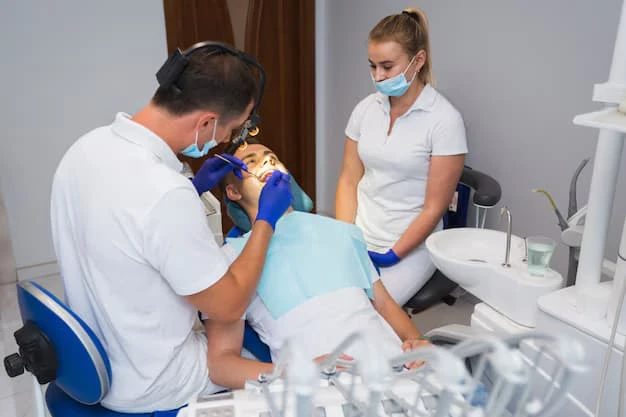
Upon arrival, the first priority is evaluating the patient’s condition. Emergency dental visits are structured to address urgent needs quickly while gathering essential information.
Triage and Evaluation
Dental staff typically begin by assessing the severity of the issue. This may include asking questions about pain level, duration of symptoms, and any recent injuries. In more severe cases, patients with intense pain, swelling, or bleeding may be seen immediately to prevent complications.
Diagnostic Tools and Imaging
To accurately diagnose the problem, the dentist may use digital imaging such as X rays. These images help identify hidden issues like infections, fractures, or damage beneath the gum line. Visual and tactile examinations are also used to assess the teeth, gums, and surrounding tissues.
Common Procedures During an Emergency Visit
Emergency dental visits focus on stabilizing the situation and relieving pain. The exact procedures depend on the nature of the emergency.
Pain Relief and Temporary Treatments
One of the primary goals is pain management. This may involve administering local anesthesia to numb the affected area. Temporary fillings, crowns, or dressings might be placed to protect damaged teeth until permanent treatment can be completed.
Treating Infections and Abscesses
If an infection is present, draining an abscess may be necessary to relieve pressure and pain. Antibiotics may be prescribed to control the infection and prevent it from spreading. In some cases, a root canal procedure may be initiated or recommended to remove infected tissue from inside the tooth.
Managing Trauma and Tooth Injuries
For knocked out teeth, timing is critical. Dentists may attempt to reinsert and stabilize the tooth if conditions allow. Loose teeth may be splinted to neighboring teeth to promote healing. Broken teeth can be smoothed, repaired, or temporarily restored depending on the extent of damage.
Emotional Support and Communication
Dental emergencies can be emotionally challenging, especially when pain or fear is involved. Clear communication and compassionate care play a vital role in the experience.
Explaining the Treatment Plan
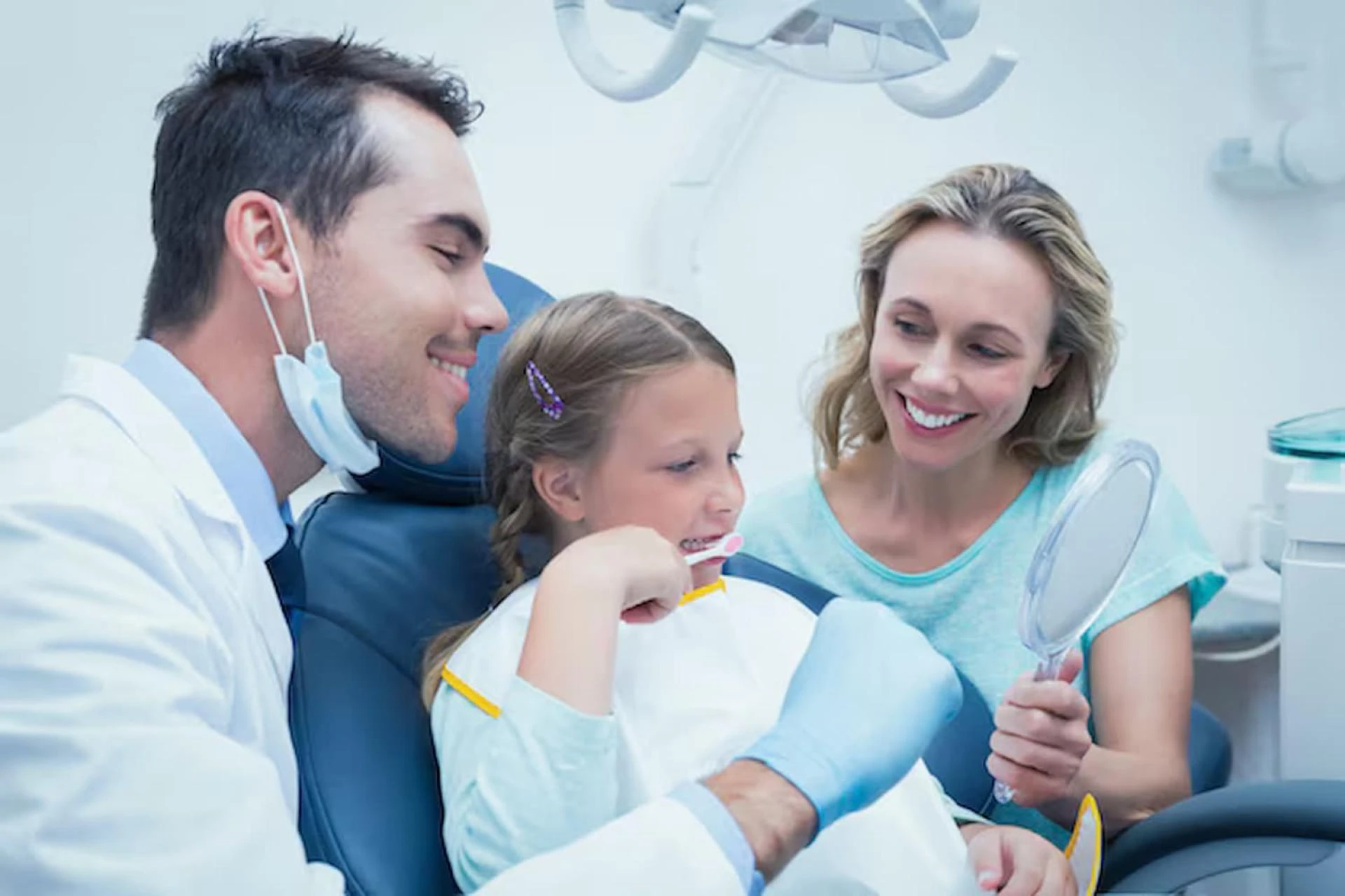
Dentists typically explain the diagnosis and recommended treatments in clear, understandable terms. Patients are informed about immediate steps and any follow up care that may be required. Understanding what is happening helps patients feel more in control during an emergency.
Addressing Anxiety and Discomfort
Many patients feel anxious during emergency visits. Dental teams often take extra care to ensure comfort by checking pain levels and adjusting treatment as needed. Open communication allows patients to express concerns and ask questions throughout the visit.
Aftercare and Recovery
Once the immediate issue has been addressed, aftercare becomes essential for healing and preventing further problems.
Post Treatment Instructions
Patients usually receive detailed instructions on how to care for the affected area at home. This may include guidance on eating, oral hygiene, and medication use. Following these instructions closely supports recovery and reduces the risk of complications.
Scheduling Follow Up Care
Emergency treatments are often temporary solutions. Follow up appointments may be necessary to complete restorative procedures such as permanent crowns, root canal therapy, or tooth replacement options. Regular dental visits help ensure long term oral health after an emergency.
Preventing Future Dental Emergencies
While not all emergencies can be avoided, proactive care significantly reduces the risk of sudden dental issues.
Maintaining Good Oral Hygiene
Consistent brushing, flossing, and professional cleanings help prevent decay and gum disease. Healthy teeth and gums are less likely to develop infections or fractures that lead to emergencies.
Using Protective Measures
Wearing mouthguards during sports or physical activities protects teeth from trauma. Avoiding habits like chewing ice or hard objects reduces the risk of cracks and breaks. Addressing minor dental issues early can prevent them from becoming urgent problems.
When to Seek Emergency Dental Care
Understanding when to seek immediate care is key to protecting oral health. Severe pain, swelling, fever, or trauma to the mouth should never be ignored. Prompt attention can prevent complications and preserve natural teeth whenever possible.
Conclusion
An emergency dental visit is designed to provide fast, effective relief during unexpected oral health crises. From initial assessment to pain management and aftercare, each step focuses on stabilizing the situation and guiding patients toward recovery. Being informed about what to expect helps reduce fear and encourages timely action when emergencies arise. For those seeking reliable and compassionate emergency dental services, Glenside Dental is committed to supporting patients when they need it most.































Sign in to leave a comment.