

Traveling to a new city or country can be exciting, offering fresh experiences, unique cuisines, and unforgettable sights. However, traveling also carries certain risks, especially when it comes to health. Accidents, sudden illnesses, or pre-existing medical conditions can pose serious challenges, particularly in foreign destinations where you might not be familiar with local healthcare systems. For this reason, understanding emergency medical care options in major tourist destinations is essential for a safe and enjoyable trip.
The Importance of Knowing Your Options
One of the first steps in preparing for a trip is knowing what medical services are available at your destination. While many travelers focus on transportation, accommodations, and sightseeing, emergency preparedness is often overlooked. In some countries, accessing healthcare can be straightforward, but in others, it may involve navigating complex systems or language barriers.
Tourists should identify nearby hospitals, urgent care centers, and pharmacies before they travel. It is also helpful to have a list of local emergency numbers and contact details for your country's embassy or consulate. Being proactive can save crucial time in case of a medical emergency.
Types of Emergency Medical Services Available
Major tourist destinations often have a variety of emergency medical services, ranging from hospitals to private clinics. These services can generally be categorized as follows:
1. Hospitals and Emergency Rooms
Hospitals in popular tourist areas typically have emergency rooms that operate 24/7. These facilities are equipped to handle a wide range of medical emergencies, including injuries from accidents, severe illnesses, and acute conditions like heart attacks or allergic reactions. Larger cities often have international hospitals with English-speaking staff, which can be invaluable for travelers who do not speak the local language.
2. Urgent Care Clinics
Urgent care clinics are smaller medical facilities designed to handle non-life-threatening emergencies quickly. They are ideal for minor injuries such as cuts, sprains, or mild infections. Many urgent care clinics in tourist-heavy areas cater specifically to foreigners and may offer flexible hours and multilingual support.
3. On-Call Medical Services in Hotels
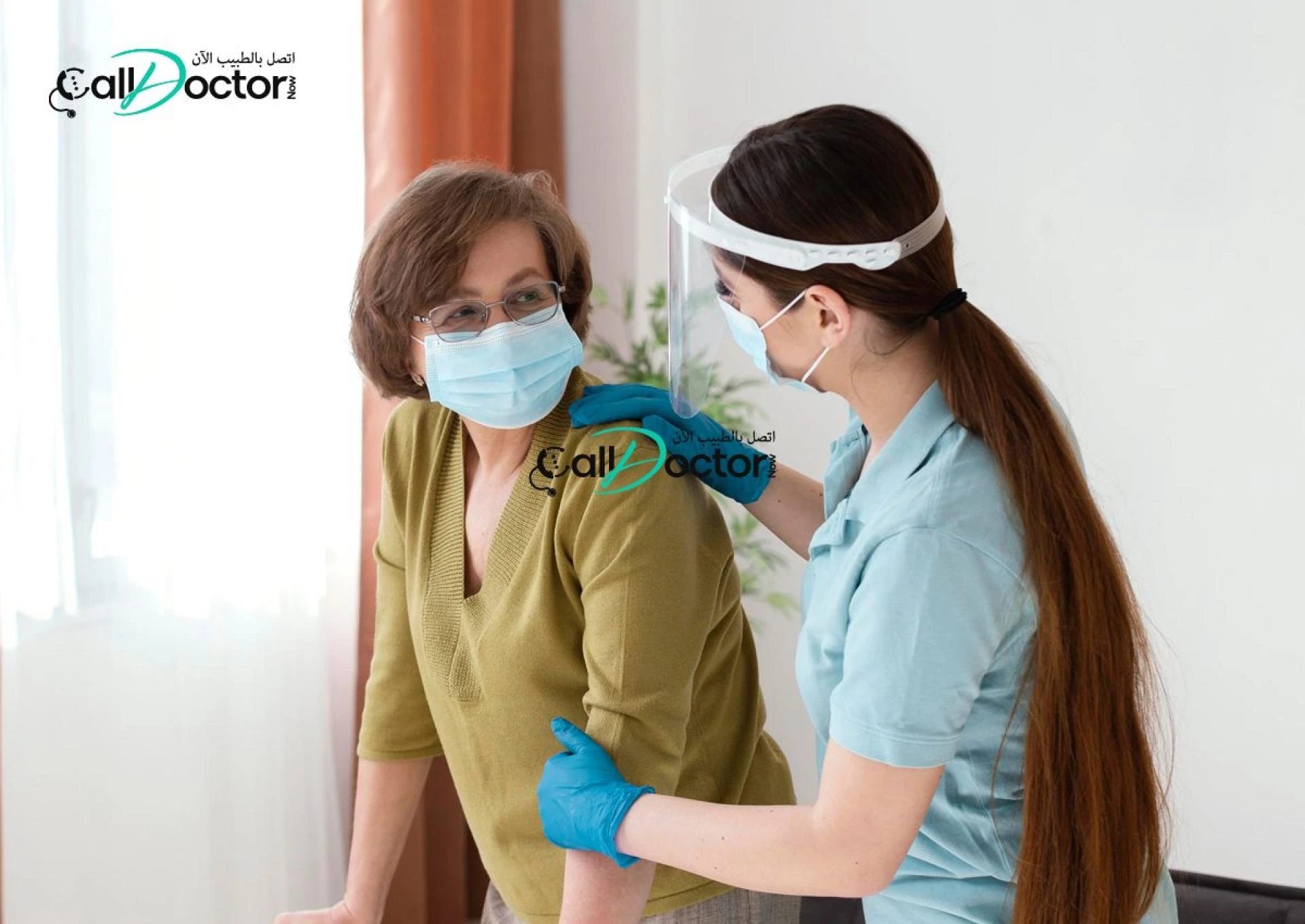
Luxury and business hotels increasingly provide access to medical professionals on demand. Some hotels even have in-house clinics or partnerships with local healthcare providers to ensure that guests receive prompt attention. For example, travelers in Dubai often benefit from having a Doctor at hotel in dubai, who can provide consultations and basic treatments without the need to travel to a hospital. This service is especially useful for guests with mobility issues, families with young children, or those experiencing minor illnesses during their stay.
4. Telemedicine
Telemedicine has become a popular solution for travelers who require medical advice without visiting a clinic physically. Many countries now offer teleconsultations in multiple languages, allowing tourists to receive guidance and prescriptions remotely. While telemedicine cannot replace in-person care for serious emergencies, it is a convenient option for managing minor illnesses or follow-up care.
Preparing for Medical Emergencies While Traveling
Even with access to quality healthcare, prevention and preparation remain crucial. Travelers can take several steps to reduce the risk of emergencies and ensure timely care if needed:
1. Travel Insurance
Travel insurance is essential for international trips. A comprehensive plan typically covers emergency medical care, hospitalizations, and even medical evacuation if necessary. Before purchasing a policy, review the coverage details to ensure it includes your planned activities, pre-existing conditions, and destination-specific risks.
2. Know Your Health Status
Being aware of your medical history, current medications, and allergies is critical when traveling. Carry a medical information card or a digital copy accessible from your phone. This ensures healthcare providers can make informed decisions quickly in case of an emergency.
3. Local Emergency Numbers
Every country has its own system for emergency services. In the United States, dialing 911 connects you to emergency responders, while in Europe, 112 is the standard emergency number. Researching local numbers and saving them in your phone can save precious minutes when immediate help is required.
4. Locate Nearby Medical Facilities
Before arrival, identify hospitals, clinics, and pharmacies near your accommodation. Mapping these locations helps reduce response time during an emergency. Travelers may also consider using apps or websites that provide information on nearby medical facilities, including reviews and ratings.
5. Stay Informed About Health Risks
Different destinations may present unique health risks. For instance, tropical regions may carry a higher risk of mosquito-borne illnesses, while some cities may have air pollution or water quality concerns. Consulting travel health advisories and getting recommended vaccinations can help minimize risks.
Challenges Tourists Face in Emergencies
Despite preparation, tourists can encounter challenges when accessing medical care. Language barriers, unfamiliar healthcare systems, and varying levels of service quality may complicate situations. It is also common for travelers to underestimate the severity of an illness or injury, delaying care until it becomes more serious. Financial concerns may also discourage some from seeking timely treatment, particularly in countries where healthcare costs are high for foreigners without insurance.
Cultural differences can also play a role. In some countries, the approach to medical care may differ from what travelers are accustomed to, affecting expectations about wait times, treatment methods, or communication with medical staff. Being patient, respectful, and flexible can help navigate these differences effectively.
Tips for Accessing Care Efficiently
When an emergency arises, efficiency matters. Here are some strategies to ensure quick and effective medical care:
- Contact Hotel Staff Immediately: Many hotels have trained personnel who can assist with arranging medical care, providing transport, or contacting an on-call doctor.
- Use Translation Apps or Services: Clear communication is crucial, especially when explaining symptoms, allergies, or medications.
- Keep Identification and Insurance Documents Handy: Having these documents ready can speed up registration and treatment.
- Follow Up on Treatment: Even after receiving care, monitor symptoms and follow any advice provided by the healthcare provider to prevent complications.
Case Study: Dubai’s Tourism and Healthcare Integration
Dubai offers a prime example of how a major tourist destination can integrate healthcare into the visitor experience. The city attracts millions of tourists annually and has invested heavily in providing accessible medical services. Many high-end hotels in Dubai maintain partnerships with local clinics or employ on-call doctors, allowing guests to receive immediate care without leaving the premises. This level of service not only enhances convenience but also provides peace of mind for travelers concerned about potential health issues.
Such integration of medical care into the hospitality industry has become increasingly common in other major tourist hubs around the world, reflecting a growing recognition that health and safety are key components of a positive travel experience.
Conclusion
Traveling should be an enjoyable and enriching experience, but unforeseen medical emergencies can disrupt plans and cause stress. Understanding the types of emergency medical care available, preparing in advance, and knowing how to access these services efficiently can make a significant difference. From hospitals and urgent care clinics to on-call doctors at hotels and telemedicine options, major tourist destinations are increasingly equipped to handle travelers’ medical needs.
Being proactive and informed ensures that health issues do not overshadow your journey. Whether it’s carrying necessary medical information, securing travel insurance, or simply knowing the location of nearby facilities, small steps can have a big impact. Travelers who plan for emergencies can enjoy their trips with confidence, knowing that help is available when it is needed most.






























Sign in to leave a comment.