
In recent years, healthcare has undergone a transformation that many could hardly have imagined a decade ago. What once required multiple trips to a clinic or hospital, long waiting times, and cumbersome paperwork can now be performed from the comfort of one’s home. Technology has become the driving force behind this revolution, making health checks more accessible, efficient, and patient-centered than ever before. From wearable devices to telemedicine platforms and at-home testing kits, the tools available today are changing how people approach their well-being.
One of the most notable advancements is the rise of telehealth. Video consultations with doctors have moved from being a novelty to a standard service, allowing patients to receive professional medical advice without stepping outside their homes. This is particularly beneficial for those living in remote areas or for patients with mobility issues. Telehealth also reduces the pressure on traditional healthcare facilities, streamlining appointments and enabling physicians to manage their time more effectively.
Alongside telehealth, mobile health applications have surged in popularity. These apps allow users to track vital signs, monitor chronic conditions, schedule appointments, and even receive reminders for medication. For instance, applications can now sync with wearable devices to record heart rate, blood pressure, sleep patterns, and blood sugar levels, providing users with a real-time snapshot of their health. By analyzing this data, healthcare professionals can offer more personalized recommendations, detect potential issues early, and intervene before problems escalate.
Another game-changer in health accessibility is wearable technology. Devices such as smartwatches, fitness trackers, and specialized health monitors are no longer just about counting steps. They are capable of detecting irregular heart rhythms, monitoring oxygen saturation, and even signaling potential cardiac events. This continuous monitoring means that individuals can be alerted to concerning trends immediately, rather than waiting for a routine checkup that might be months away. The proactive approach that wearables enable is reshaping preventive healthcare and giving patients more control over their wellness journey.
At-home testing kits represent another major leap forward. From blood sugar and cholesterol tests to more specialized diagnostics, these kits empower people to monitor their health discreetly and conveniently. For instance, residents in Dubai can now schedule services such as a drug test at home Dubai, where trained professionals visit your residence to collect samples safely and efficiently. The ability to perform tests at home not only saves time but also offers a level of privacy that traditional clinical settings may not provide. It is particularly valuable for routine screenings, early detection of issues, or situations requiring discretion.
The convenience of at-home health checks extends beyond individual patients. For employers, schools, and other organizations, technology has simplified monitoring large groups efficiently. Companies can implement regular wellness programs that include remote screenings, lab tests, and health assessments without disrupting daily operations. Similarly, schools can coordinate routine screenings for students while minimizing administrative burdens. By integrating technology, these programs become scalable, cost-effective, and less intrusive.
Artificial intelligence (AI) is another critical component in making health checks more accessible. AI algorithms can analyze massive amounts of health data to identify patterns, predict potential illnesses, and even recommend personalized treatment plans. For example, AI-driven platforms can flag abnormal lab results, highlight trends in blood pressure or glucose levels, and suggest follow-up tests if necessary. By providing actionable insights quickly, AI helps patients and doctors make informed decisions without delay. This is especially valuable in regions with high patient-to-doctor ratios, where timely intervention can make a significant difference.
Remote monitoring is also gaining traction in specialized areas of healthcare. Patients with chronic conditions, such as diabetes, hypertension, or heart disease, can now use connected devices to transmit data directly to healthcare providers. Doctors can monitor patients’ progress in real time, adjust medications remotely, and intervene when necessary, reducing the risk of complications. This approach not only enhances patient safety but also improves overall healthcare efficiency by minimizing unnecessary hospital visits.
Moreover, the integration of cloud-based platforms in healthcare has enabled seamless storage, retrieval, and sharing of medical records. Patients can access their health information from anywhere, while doctors can review histories and results instantly. This interconnected system reduces the likelihood of errors, ensures continuity of care, and allows for better collaboration between specialists. Patients are empowered to actively participate in their care, armed with comprehensive and easily accessible health information.
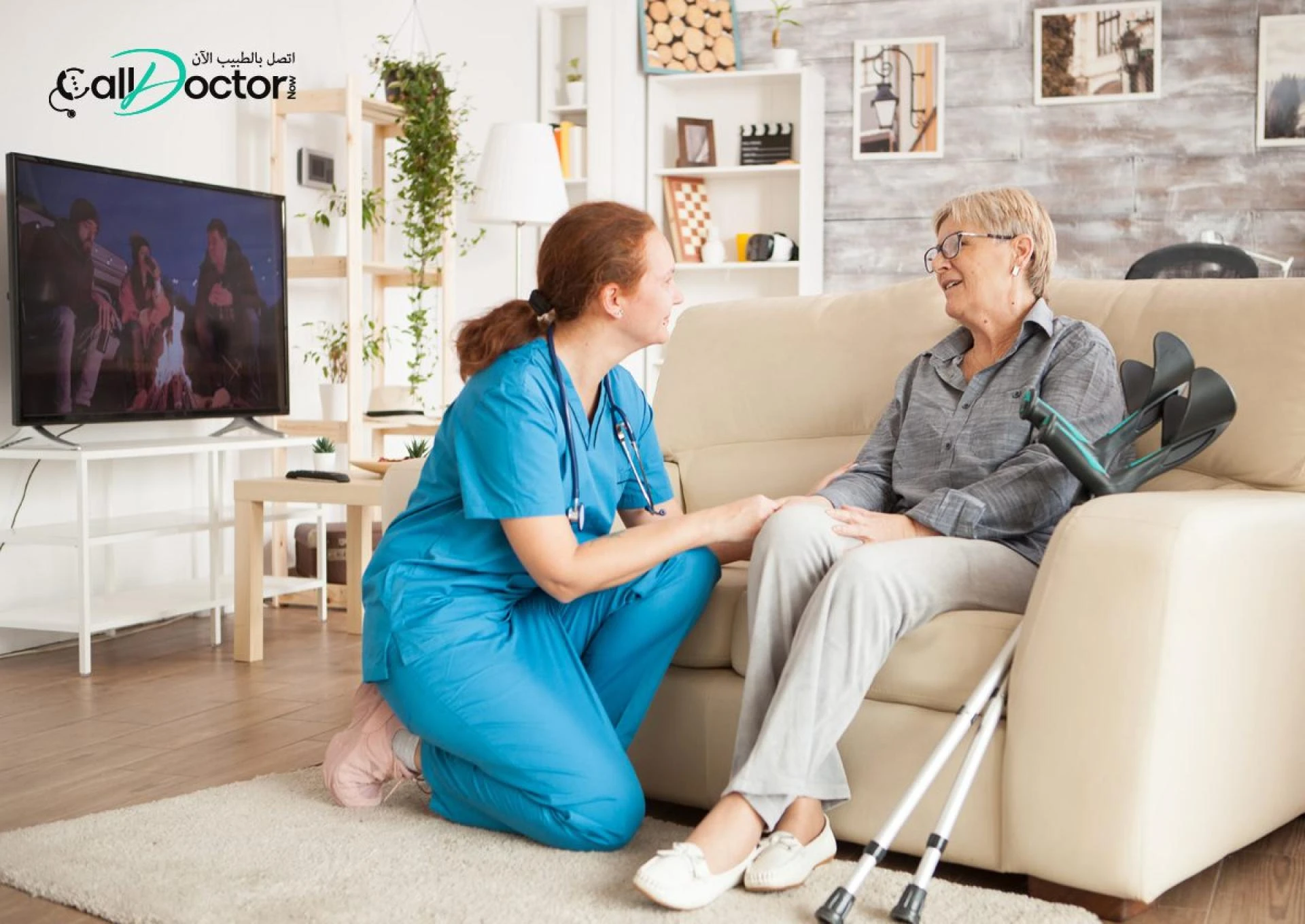
Technology has also played a pivotal role in improving accessibility for vulnerable populations. For elderly individuals or those with limited mobility, mobile clinics, home visits, and virtual consultations make it possible to receive consistent medical attention without leaving home. Similarly, language translation features and user-friendly interfaces ensure that diverse populations can navigate digital healthcare solutions comfortably. These advances are helping to close gaps in healthcare access and create a more inclusive system for all.
Public health initiatives have benefited significantly from these technological developments. By leveraging data collected through wearable devices, apps, and remote monitoring, public health authorities can detect emerging trends, monitor outbreaks, and respond rapidly. This data-driven approach enhances disease prevention strategies, improves resource allocation, and strengthens overall community health resilience. During health crises or pandemics, technology ensures that routine checks and screenings can continue safely without overwhelming traditional healthcare infrastructure.
The cost-effectiveness of technology-driven health checks is another factor contributing to their popularity. At-home testing kits, telehealth appointments, and wearable devices reduce the need for expensive hospital visits for minor screenings or follow-ups. For many patients, this means earlier detection of potential health issues without the financial burden of repeated clinical consultations. Additionally, insurance providers are increasingly recognizing the value of these services, offering coverage for telehealth visits and remote testing as part of preventive care programs.
Despite these advancements, there are challenges that need to be addressed. Data privacy and cybersecurity remain critical concerns, as sensitive health information is stored and transmitted digitally. Ensuring that platforms comply with regulations and adopt robust security measures is essential for maintaining patient trust. Furthermore, while technology has improved accessibility, there remains a need for digital literacy programs to help individuals navigate these tools effectively. Educating patients about the proper use of at-home testing kits, telehealth platforms, and health apps is vital to maximizing their benefits.
In conclusion, technology has undeniably made health checks more accessible than ever before. From telehealth and wearable devices to at-home testing kits like a drug test at home Dubai, patients now enjoy convenience, privacy, and proactive care options that were once unimaginable. AI, cloud-based platforms, and remote monitoring have further enhanced healthcare efficiency and personalization, allowing individuals to take greater control of their health. As these tools continue to evolve, the potential for even more accessible, affordable, and inclusive healthcare becomes increasingly attainable.
The future of healthcare lies not only in advanced treatments but also in empowering individuals to monitor and manage their well-being actively. Technology has turned this vision into a reality, ensuring that essential health checks are no longer limited by time, location, or complexity. By embracing these innovations, patients can enjoy a healthier, more informed, and more convenient approach to care, creating a system where proactive wellness becomes the standard rather than the exception.
































Sign in to leave a comment.