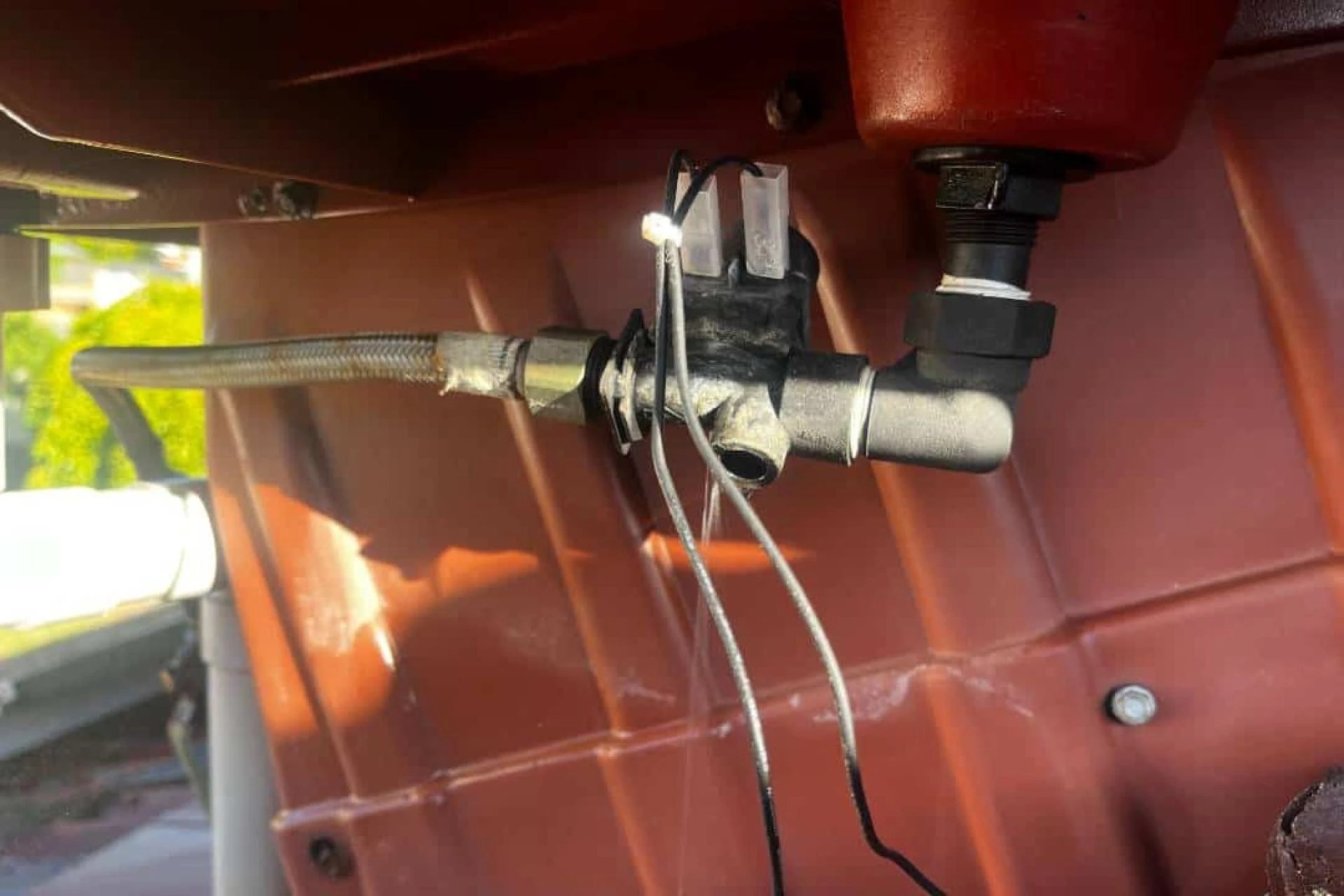

Plumbing emergencies rarely happen at a convenient time. A burst pipe at midnight, an overflowing toilet before guests arrive, or a sudden loss of hot water during winter can quickly turn a normal day into a stressful situation. Knowing when to call a professional Plumber Perth residents trust — and what to do while waiting for help — can prevent costly damage and keep your home safe.
What Counts as a Plumbing Emergency?
Not every plumbing issue needs immediate attention, but some problems can cause serious property damage, health risks, or complete loss of essential water services. If you notice any of the following, it’s time to contact an emergency Plumber Perth homeowners rely on.
1. Burst or Leaking Pipes
A burst pipe is one of the most destructive plumbing emergencies. Water can flood walls, ceilings, flooring, and electrical systems within minutes. Even a small leak can escalate quickly.
What to do while you wait:
- Turn off your main water supply immediately
- Switch off electricity in affected areas if safe
- Move furniture and valuables away from water
- Use towels or buckets to contain the leak
Quick action can dramatically reduce repair costs and prevent structural damage.
2. Overflowing Toilet
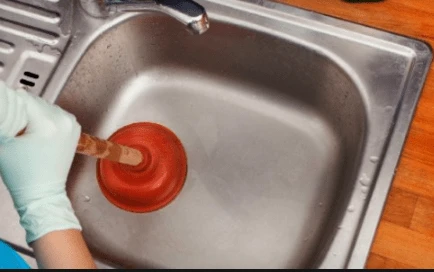
An overflowing toilet is messy, unhygienic, and stressful. It often indicates a blockage deep in the system that a plunger alone cannot fix.
What to do while you wait:
- Turn off the water valve behind the toilet
- Avoid flushing again
- Place towels around the base to contain water
- Keep children and pets away from the area
Raw sewage can carry harmful bacteria, so professional help from a Plumber Perth emergency service is essential.
3. Blocked Drains or Sewer Backup
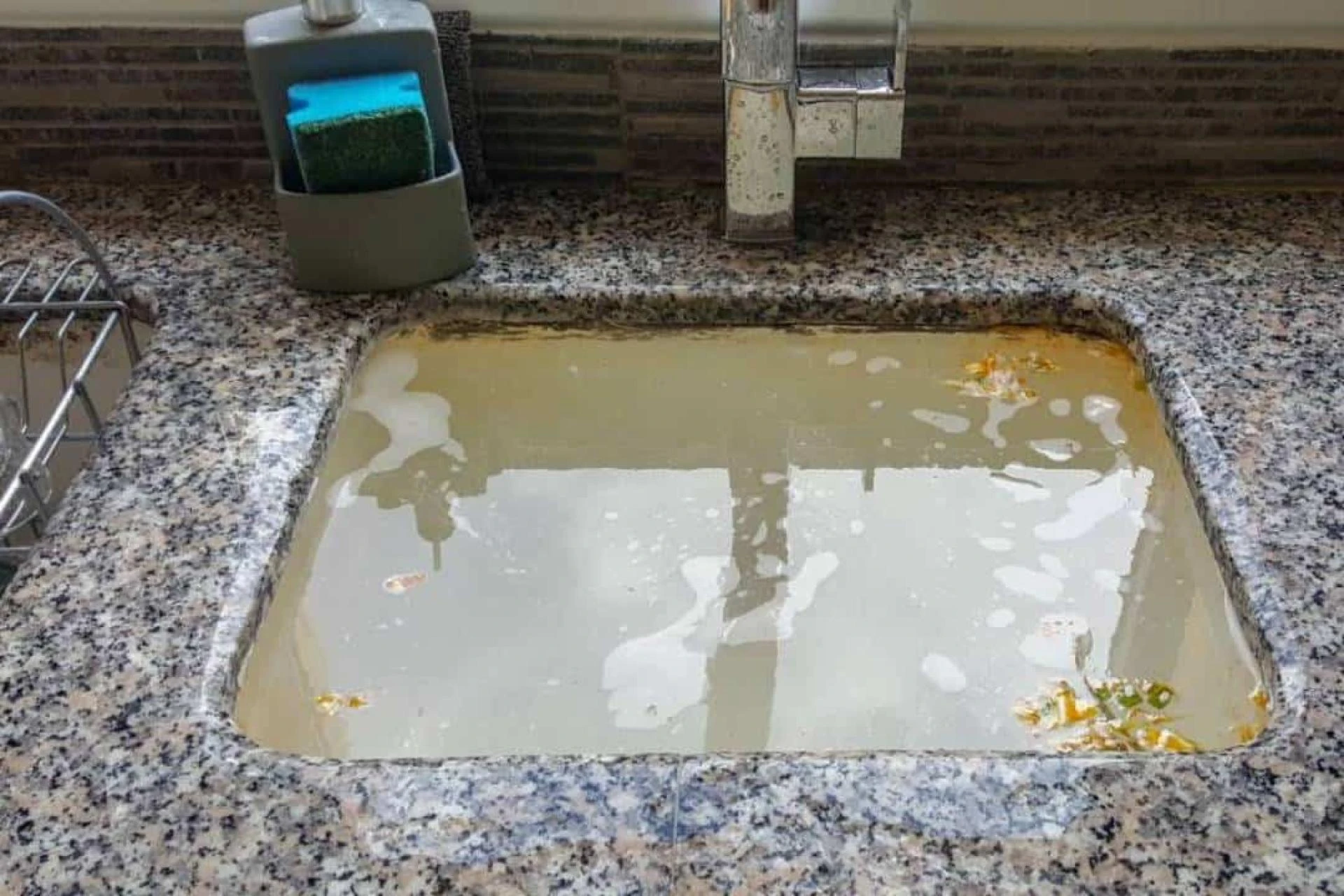
Slow drains are annoying, but a complete blockage or sewage backup is a serious health hazard. Foul smells, gurgling sounds, or water backing up into sinks or showers are warning signs.
What to do while you wait:
- Stop using all water fixtures
- Avoid chemical drain cleaners (they can worsen damage)
- Ventilate the area if odors are strong
- Keep clear of contaminated water
A qualified Plumber Perth specialist has the equipment to safely clear deep blockages.
4. No Hot Water
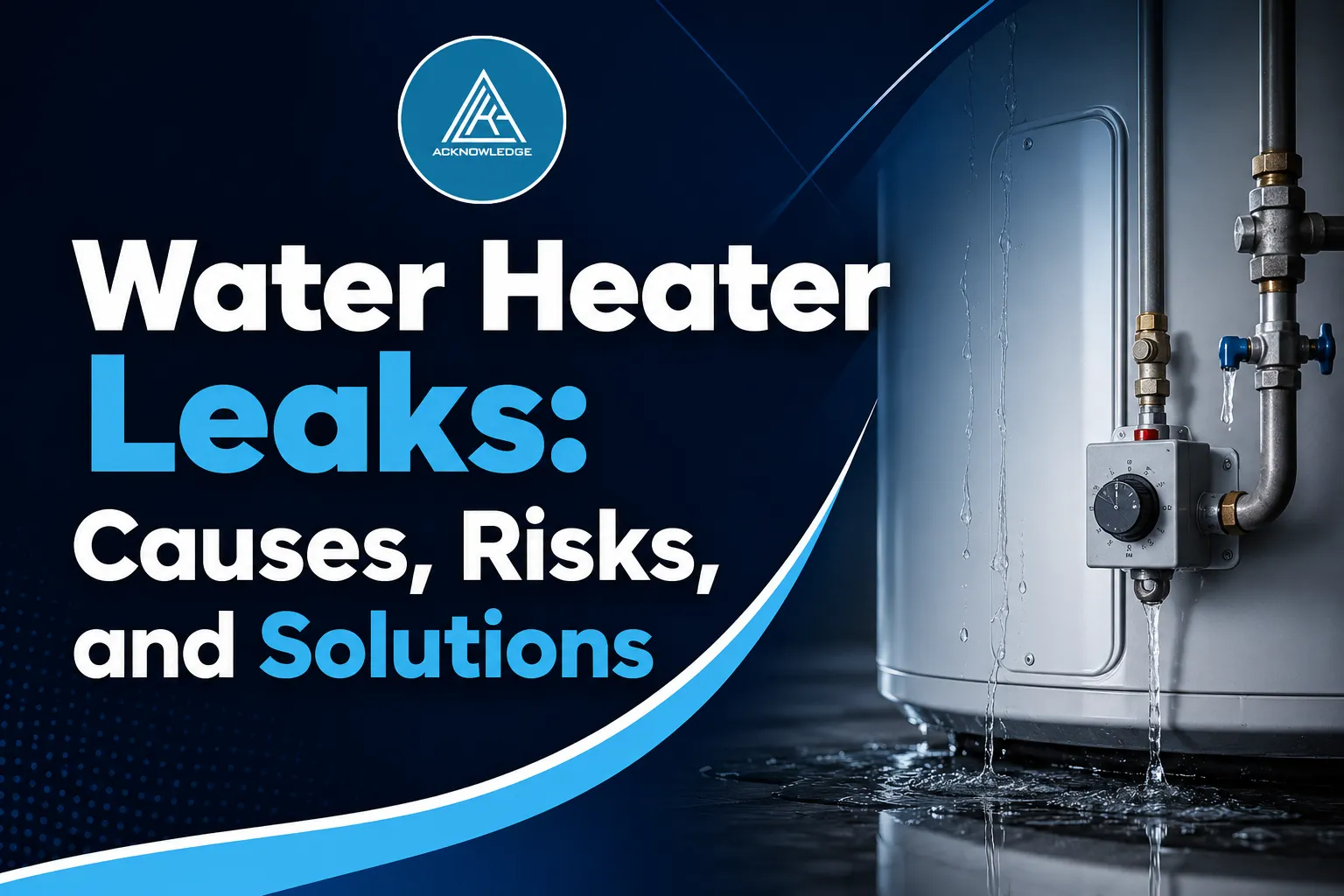
Losing hot water may not seem like an emergency at first, but during colder months it can disrupt daily life and indicate a failing water heater.
What to do while you wait:
- Check if the pilot light is out (for gas systems)
- Reset the circuit breaker (for electric systems)
- Turn off the heater if you suspect a leak
- Avoid attempting repairs yourself
Hot water systems involve electricity or gas, so professional assessment is safest.
5. Gas Leaks (If Related to Plumbing Systems)
Some plumbers are licensed to handle gas lines. A gas smell (often like rotten eggs) is extremely dangerous.
What to do immediately:
- Turn off the gas supply if possible
- Evacuate the property
- Do not use electrical switches or open flames
- Call emergency services and a licensed Plumber Perth gas specialist
Safety always comes first in these situations.
Why Acting Quickly Matters
Water damage spreads fast. Within hours, moisture can seep into walls, flooring, insulation, and furniture. Within days, mold can begin to grow, creating long-term health risks and expensive repairs.
Calling an experienced Plumber Perth emergency service ensures:
- Faster diagnosis of the problem
- Professional equipment for safe repairs
- Reduced risk of further damage
- Compliance with local plumbing standards
- Peace of mind during a stressful situation
What NOT to Do During a Plumbing Emergency
In panic, homeowners sometimes make mistakes that worsen the situation.
Avoid these common errors:
- Ignoring the problem and hoping it stops
- Using excessive force on fixtures or valves
- Pouring chemicals down blocked drains
- Attempting complex DIY repairs
- Continuing to use affected plumbing systems
If you’re unsure, it’s always safer to wait for a professional.
Preparing for Future Emergencies
While emergencies are unpredictable, a little preparation goes a long way.
Helpful steps every homeowner should take:
- Know where your main water shut-off valve is located
- Schedule regular plumbing inspections
- Avoid disposing of grease or non-flushable items down drains
- Insulate pipes during colder months
- Keep the contact details of a reliable Plumber Perth service handy
Being prepared can turn a potential disaster into a manageable inconvenience.
The Bottom Line
Plumbing emergencies are stressful, disruptive, and sometimes dangerous — but quick action makes all the difference. Recognizing the warning signs, shutting off water or gas supplies, and calling a trusted Plumber Perth professional can protect your home and family from serious harm.
While waiting for help, focus on minimizing damage, staying safe, and avoiding DIY fixes that could worsen the problem. With the right response and expert support, even major plumbing crises can be resolved efficiently.
If there’s one takeaway, it’s this: when in doubt, call a professional immediately. Your home, health, and wallet will thank you.























Sign in to leave a comment.