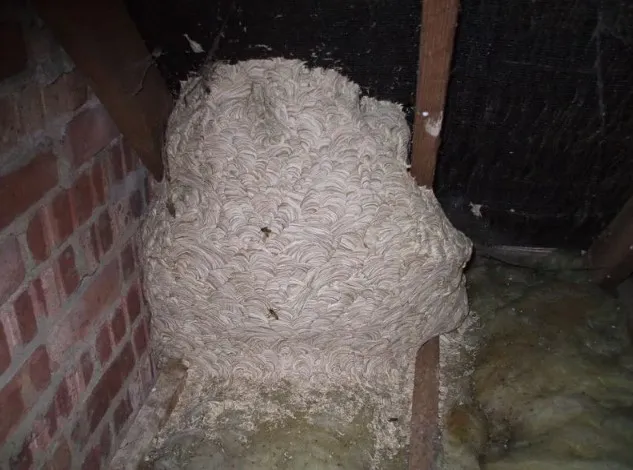

Most people can tolerate the occasional wasp buzzing around the garden. It comes with the territory during the warmer months. The situation changes quickly, however, when dozens or even hundreds of wasps begin appearing around a property every day.
At that point, what may have started as a minor nuisance can become a genuine safety concern.
Searches for emergency wasp nest removal tend to spike during summer, particularly when nests become established in lofts, wall cavities, sheds, roof spaces, and commercial premises. For homeowners and business operators alike, knowing when to act can make a significant difference.

Why Wasp Nests Become an Emergency
Not every nest requires immediate intervention. A small nest located far from daily activity may present little immediate risk.
The problem arises when nests develop close to entrances, public walkways, outdoor seating areas, schools, retail premises, or family gardens.
Worker wasps become increasingly active as colonies grow. By late summer, a single nest can contain thousands of insects, creating a much greater likelihood of aggressive behaviour when disturbed.
In practical terms, what begins as an inconvenience can quickly affect normal routines. Children may avoid outdoor spaces. Customers may hesitate to enter premises. Staff may become concerned about safety around entrances and loading areas.
These situations often warrant urgent attention.
Common Signs You Need Immediate Action
Many property owners discover a nest only after noticing unusual wasp activity.
Some of the most common warning signs include:
- Continuous streams of wasps entering and exiting the same location
- Increased activity around rooflines, air vents, or wall cavities
- Wasps gathering around entrances or windows
- Visible nest structures in lofts, garages, sheds, or outbuildings
- Frequent sightings of large numbers of wasps indoors
It's worth remembering that wasps can build nests in surprisingly concealed locations. By the time activity becomes noticeable, the colony may already be well established.
The Risks of Ignoring an Active Nest
There's a common assumption that wasps will simply move on if left alone.
Unfortunately, that's rarely the case during peak season.
As colonies expand, wasp traffic increases dramatically. The likelihood of accidental disturbance also rises. A lawnmower, ladder, hedge trimmer, or even routine maintenance work can trigger defensive behaviour from the colony.
For individuals with allergies, the risks are more serious. While severe allergic reactions remain relatively uncommon, they can occur without warning.
Businesses face additional challenges. Outdoor hospitality venues, cafés, schools, care facilities, and retail premises may experience operational disruption if wasp activity becomes excessive.
Addressing the problem early often prevents larger complications later.
Why DIY Removal Often Makes Things Worse
Online videos have convinced many people that wasp nest treatment is straightforward.
In reality, most professionals encounter situations where attempted DIY removal has aggravated the problem.
Spraying household insecticides into a nest opening, blocking entry points, or physically disturbing the nest frequently causes the colony to become more defensive. Wasps may emerge in large numbers and seek alternative escape routes into the property.
This is particularly problematic when nests are hidden inside cavity walls or loft spaces.
Professional treatment methods are designed to eliminate the colony while minimising unnecessary disturbance.
What Happens During Emergency Wasp Nest Removal?
The exact process depends on the nest's location, size, and accessibility.
A qualified technician will typically begin by identifying the species involved and assessing the level of activity. The nest location is then inspected to determine the safest treatment approach.
In many cases, treatment can be completed relatively quickly. However, larger nests or difficult access points may require additional planning.
The goal is not simply to remove visible insects but to address the colony effectively and reduce the risk of ongoing activity.
Property owners are usually provided with guidance on what to expect following treatment and any recommended precautions.
Protecting Homes and Businesses During Wasp Season
While it's impossible to eliminate every wasp from the environment, there are practical steps that can help reduce the likelihood of problems.
Regular property inspections can identify early signs of nesting activity. Damaged vents, roof gaps, and access points should be repaired where appropriate. Outdoor bins should remain sealed, particularly during warmer months when food sources attract insects.
For businesses, staff awareness can also play a useful role. Early reporting of unusual wasp activity often leads to faster intervention before colonies become established.
Prevention isn't always possible, but vigilance certainly helps.
Final Thoughts
When dealing with significant wasp activity, delaying action rarely improves the situation.
What starts as a minor concern can escalate as colonies grow throughout the season.
Understanding the warning signs and recognising when emergency wasp nest removal is necessary helps protect homes, workplaces, customers, and families from unnecessary risk. A prompt response often provides the safest and most practical solution when an active nest is discovered.
FAQs
How quickly should a wasp nest be treated?
If the nest is close to occupied areas, entrances, or public spaces, treatment should be arranged as soon as possible.
Are wasps more aggressive at certain times of year?
Yes. Wasp colonies are typically at their largest and most active during late summer, which can increase defensive behaviour.
Can I remove a wasp nest myself?
Attempting DIY removal can be dangerous and may provoke the colony. Professional assessment is generally recommended.
Do wasps return to the same nest every year?
No. Wasps do not usually reuse old nests, although new nests may be built nearby if suitable conditions remain.
Where are wasp nests most commonly found?
Lofts, roof spaces, wall cavities, sheds, garages, and garden structures are among the most common nesting locations.

























Sign in to leave a comment.