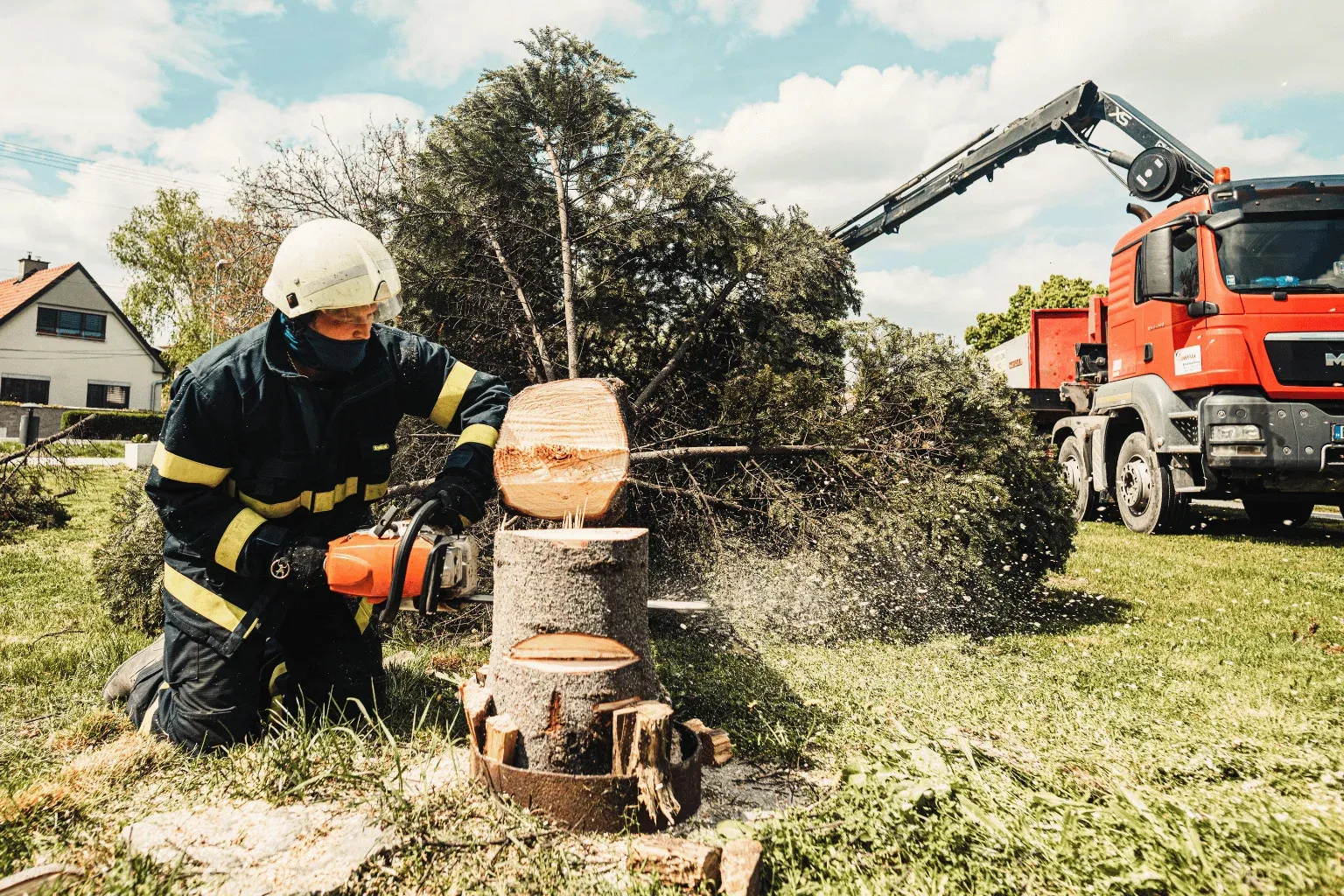

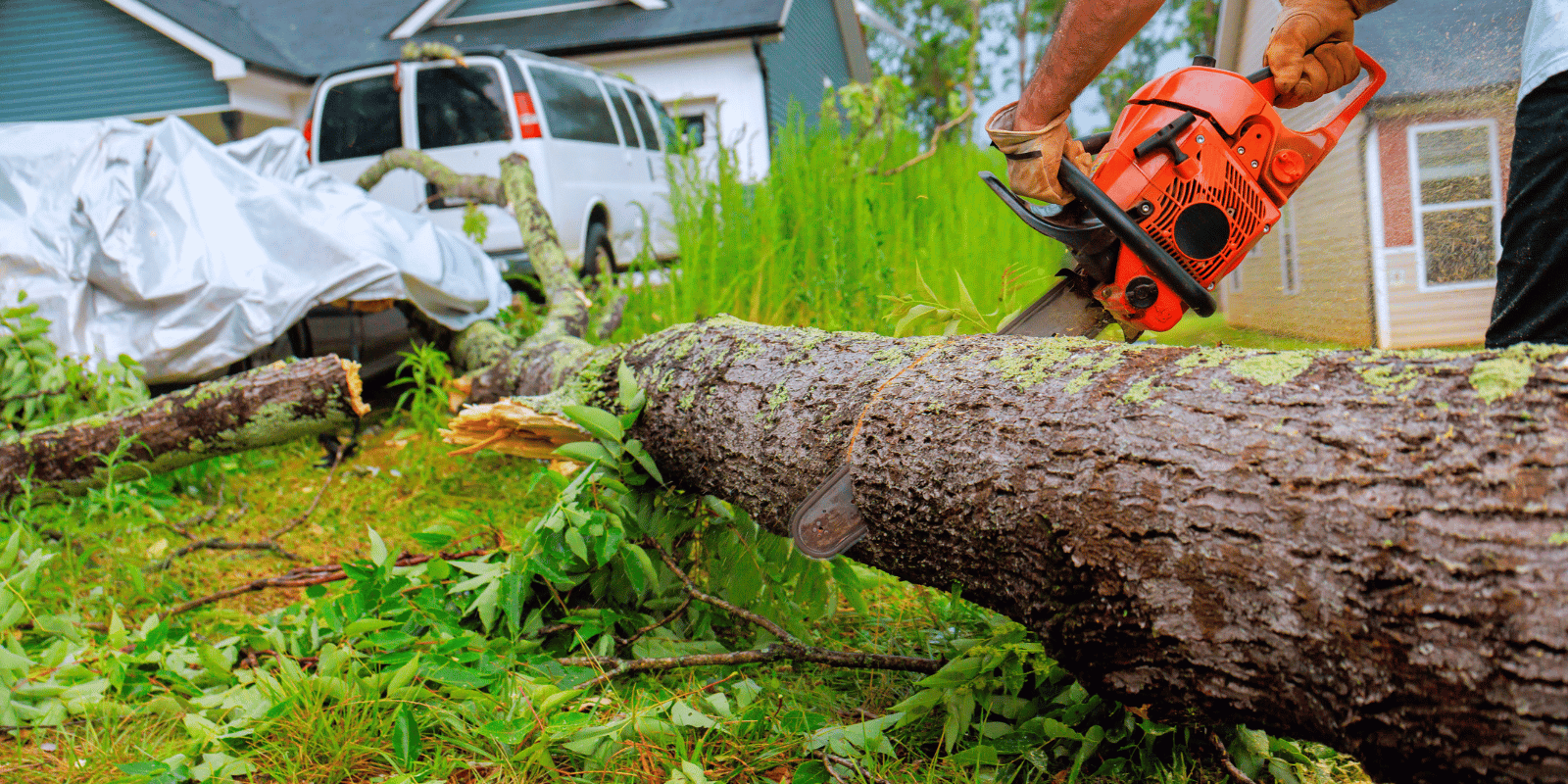
Tree cutting becomes absolutely necessary when a tree poses a safety hazard that cannot be mitigated through pruning. If a tree is completely dead, suffering from untreatable structural diseases (like deep trunk rot), or aggressively overgrown to the point of destroying foundations and plumbing, removal is the only viable option. Certified arborists use visual diagnostics to determine if targeted tree cutting can save the canopy, or if full dismantling is required to protect your home.
The Hardest Call a Homeowner Has to Make
One of the most difficult conversations I have with homeowners as an expert at A1 Tree Service involves telling them that their favorite shade tree has to go. People grow attached to the massive oaks and maples in their yards. They provide shade for summer barbecues, act as anchors for tire swings, and hold decades of memories.
However, a tree is a living organism, and like all living things, it has a lifespan. When a tree enters a state of severe decline, it transforms from a beautiful landscape asset into a multi-ton liability hovering over your roof.
The primary goal of professional arboriculture is always preservation. But how do you know when preservation is no longer possible? Today, I am going to walk you through the exact diagnostic criteria we use to determine when professional tree cutting transitions from an option to an absolute necessity.
Symptom 1: The Tree is Dead (The Scratch Test)
Sometimes, a tree is completely dead, but the homeowner simply hasn’t realized it yet. Hardwood trees can remain standing for years after they die, but their internal fibers become incredibly brittle and prone to snapping during high winds.
How can you tell if the tree is dead or just dormant for the winter? We use a simple diagnostic called the "Scratch Test." Using a small pocket knife, gently scratch a tiny piece of bark off a young twig.
- If it is green and moist underneath: The tree is alive and pushing nutrients.
- If it is brown, dry, and snaps easily: That section is dead. If this applies to the entire canopy, full-scale tree cutting and removal must be scheduled before the trunk decays and collapses.
Symptom 2: Untreatable Disease and Decay
Not all tree diseases require removal. Minor leaf rust or seasonal aphids can often be treated with specialized sprays. However, structural diseases are a completely different story.
We look for signs of internal rot that compromise the trunk's load-bearing capacity. If you notice deep cavities, large hollowed-out sections in the main trunk, or clusters of mushrooms growing at the base of the roots, the tree structural integrity is failing. There is no fertilizer or brace in the world that can reverse deep wood rot. In these cases, targeted tree cutting is the only way to ensure the tree doesn't fall on your property.
Symptom 3: The Overgrown Liability
Sometimes, a tree is perfectly healthy, vibrantly green, and structurally sound—but it is simply in the wrong place.
If a massive tree was planted two feet from your foundation forty years ago, it is now an overgrown liability. Aggressive root systems will relentlessly seek out moisture, easily crushing underground PVC plumbing pipes and cracking poured concrete foundations. Furthermore, if the canopy is so overgrown that heavy limbs are resting on your roof shingles, they will trap moisture, destroy your gutters, and invite rodents directly into your attic.
When a healthy tree becomes directly destructive to your home's infrastructure, Strategic tree cutting—whether that means aggressively cutting back the encroaching canopy or removing the tree entirely—is a necessary defensive measure.
The A1 Tree Service Approach to Removal
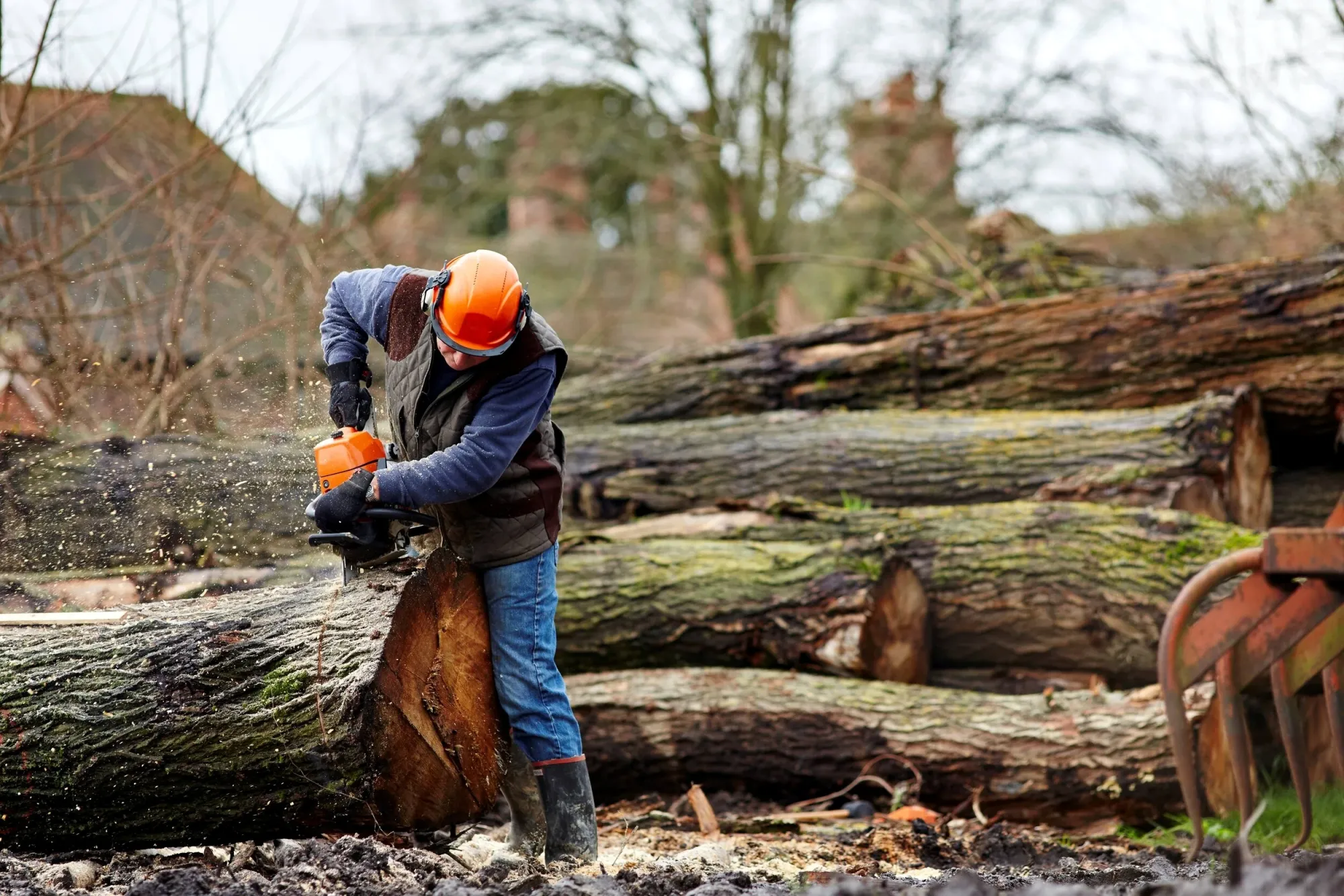
Executing a major removal is a highly technical process. You cannot simply take a chainsaw to the base and hope it falls in the right direction.
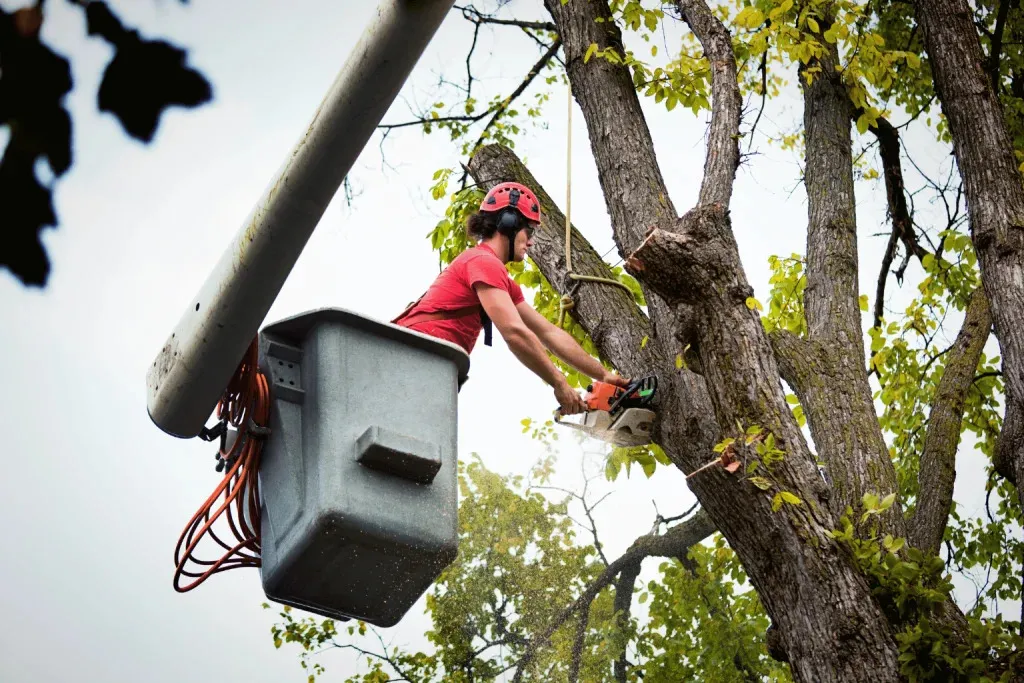
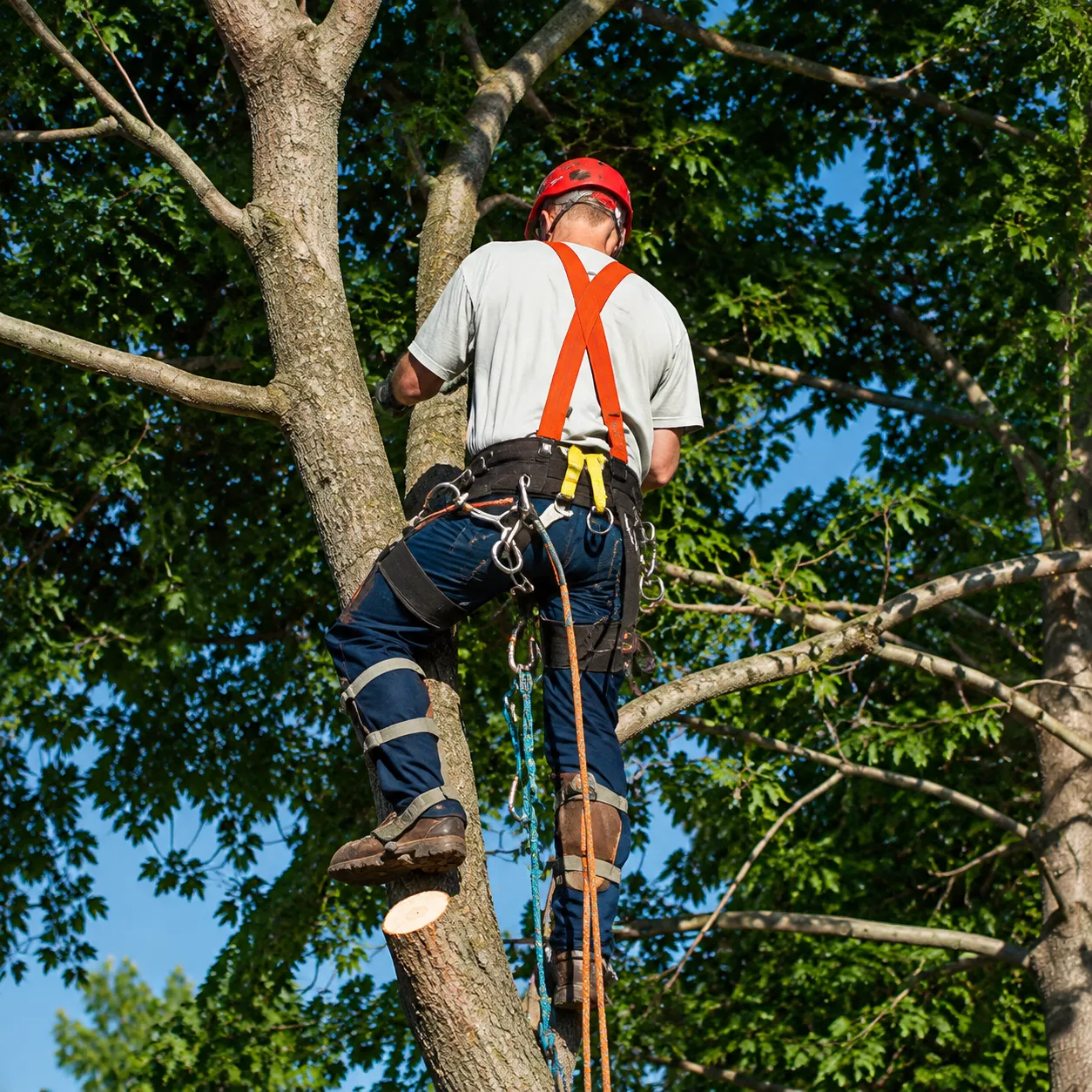
When tree cutting becomes necessary, the crew at A1 Tree Service steps in with commercial-grade rigging, bucket trucks, and strict safety protocols. We systematically dismantle dangerous trees piece by piece from the top down, securing heavy logs with ropes to ensure zero impact on your lawn, fences, or home.
If you are looking at a tree in your yard and feeling uneasy about its health, do not wait for the next major storm to test its strength. Reach out to the insured professionals at A1 Tree Service for a transparent, honest evaluation.


























Sign in to leave a comment.