

When a massive, decaying oak or storm-damaged pine threatens your roof, the first question on every homeowner's mind is simple: how much is this going to cost? When scheduling professional tree removal in Torrington, estimates can vary dramatically—ranging anywhere from a few hundred dollars for a straightforward sapling to several thousand dollars for a complex, crane-assisted extraction.
This wide price variation often leaves property owners feeling confused or skeptical. However, tree removal pricing is rarely arbitrary. Understanding the physical conditions, equipment requirements, and local terrain factors that drive these estimates helps you plan your budget realistically and avoid dangerous cut-rate contractors.
Typical Cost Ranges for Tree Removal in Torrington
While every property presents unique variables, having a general price baseline helps frame your expectations before scheduling an on-site evaluation:
- Small Trees (Under 30 Feet): Typically range from $350 to $700. These usually involve ornamental trees or young maples with clear drop zones and minimal equipment needs.
- Medium Trees (30 to 60 Feet): Usually average between $750 and $1,500. These jobs require climbing gear, section-by-section rigging, and larger chip trucks.
- Large, Hazardous Trees (60 to 100+ Feet): Frequently range from $1,600 to $3,500+. When a tree is compromised by rot, leans toward high-voltage utility lines, or hangs directly over living spaces, specialized cranes and extensive crew hours become mandatory.
What Factors Turn a Tree Into an Expensive "Hazardous" Job?
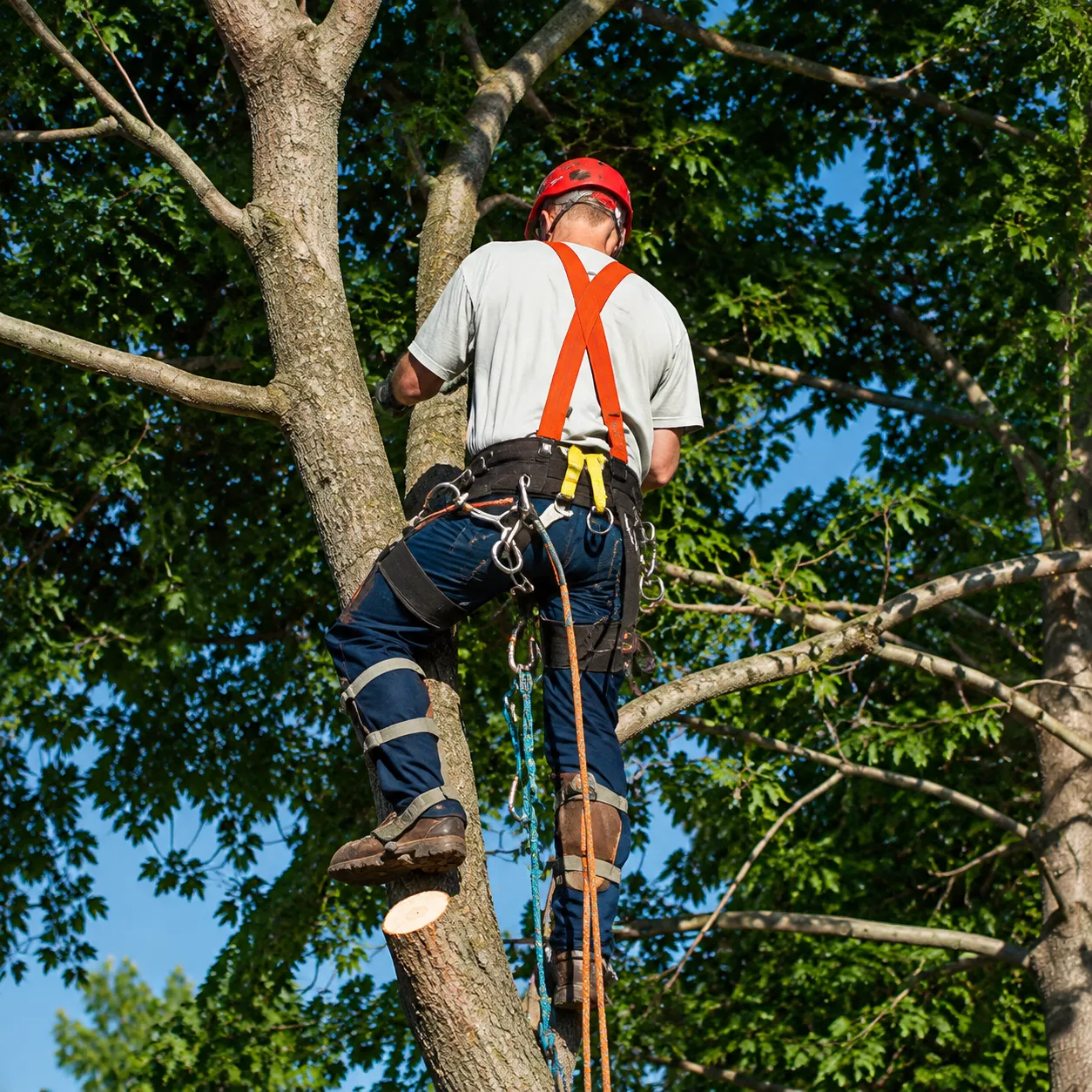
The difference between a standard removal and an expensive hazardous job comes down to physical risk and accessibility. If our crew can safely drop a tree in one continuous piece, labor hours drop significantly. But when safety requires dismantling the timber piece by piece, specialized rigging protocols take over.
Proximity to Structures and Power Corridors
A tree standing in an open field takes a fraction of the time to remove compared to one whose canopy extends over a garage, sunroom, or power line drop. Every branch overhanging a roof must be individually roped, cut, and lowered by hand or crane to prevent impact damage.
Internal Decay and Structural Instability
Dead trees are notoriously brittle and unpredictable. When a trunk has extensive hollow cavities, carpenter ant infestation, or fungal rot at the root collar, arborists cannot safely climb it using traditional spikes and friction hitches. In these cases, crews must deploy heavy bucket trucks or 40-ton cranes to hoist climbers above the canopy, which increases the machinery cost of the project.
Local Torrington Terrain and Lot Access Challenges
Torrington’s geographic landscape adds another layer of complexity to tree work. Our crews frequently encounter properties built on steep, rocky hillsides, ledge rock, and narrow access lanes where standard equipment simply cannot fit.
- Steep Incline and Ledge Rock: Setting up heavy machinery on sloped driveways requires specialized outrigger blocking and stabilization mats to prevent tipping and turf damage.
- Narrow Gate Clearances: If backyard fences prevent mini-loaders from transporting heavy log sections to the street, workers must haul timber manually, increasing total labor hours.
- Soft Ground Conditions: During wet Connecticut springs, heavy equipment can leave deep ruts in lawns. Responsible companies utilize composite ground-protection mats, which takes extra staging time.

What Is Included in a Written Tree Removal Estimate?
When reviewing quotes from local contractors, always ensure you are comparing identical scopes of work. A surprisingly low estimate often means the contractor plans to leave behind a yard full of heavy logs and brush for you to deal with.
A comprehensive proposal should clearly itemize:
- Felling and Controlled Dismantling: Safe takedown of the designated tree.
- Brush Chipping: Grinding all branches and limbs into mulch.
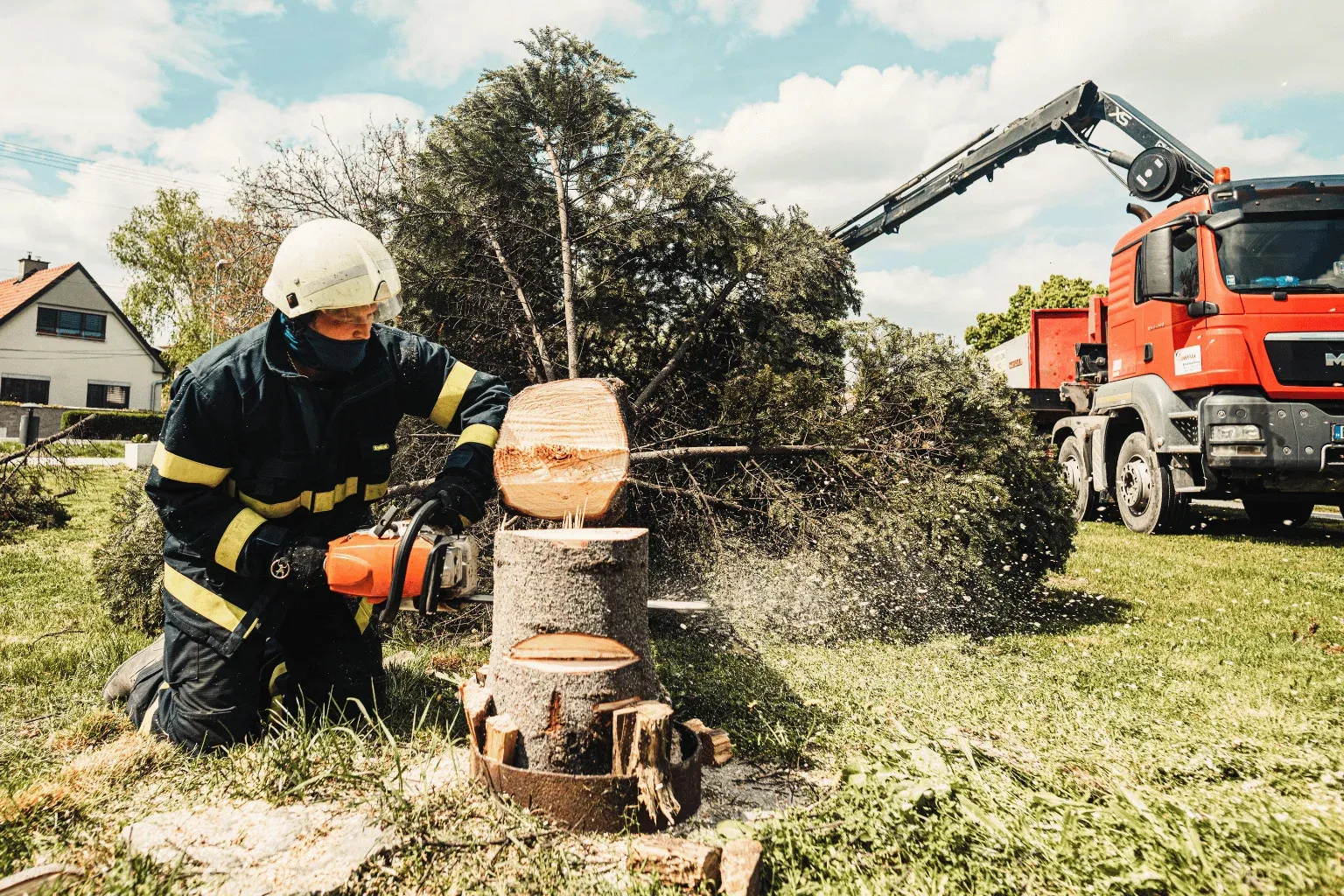
- Log Bucking and Removal: Cutting massive trunk sections into manageable logs and hauling them off-site.
- Site Raking and Cleanup: Clearing wood chips, twigs, and debris from driveways and turf.
- Underground Root Flare Management: Once the tree is down, handling the leftover wooden base requires dedicated stump grinding in CT. Make sure to clarify whether stump grinding is bundled into the quote or offered as an optional line item.
Will Homeowners Insurance Cover Tree Removal Costs?
Insurance policies generally do not cover preventative tree removal, even if the tree appears visibly dead or leaning. Homeowners insurance typically triggers only after a tree physically falls and causes verifiable structural damage to a covered building or fence.
However, if a storm damages a tree and leaves it hanging directly on your roof, your insurance provider will typically reimburse the emergency extraction cost minus your deductible. Documenting the condition with date-stamped photos before work begins is essential for claims processing.
Why Torrington Residents Trust A1 Tree Service
At A1 Tree Service, we believe homeowners deserve honest, transparent pricing without hidden surprises. Our estimators visit your property in person, evaluate root stability, examine drop zone clearances, and provide a clear, written proposal detailing every step of the operation.
We maintain comprehensive commercial liability insurance and state-certified safety gear, ensuring that even the most difficult, hazardous removals in Torrington are completed safely, efficiently, and with zero damage to your lawn.



















Sign in to leave a comment.