

Hair loss is a deeply personal and often distressing experience, and for many women, it goes beyond physical appearance. Female hair loss can significantly affect self-esteem, confidence, and emotional well-being. Women experiencing thinning hair or noticeable bald patches may find themselves struggling with social interactions, professional opportunities, and personal relationships. The growing acceptance and availability of female hair transplant procedures have provided hope and tangible solutions for many women dealing with hair loss. Understanding the emotional impact of hair loss and how treatments like a female hair transplant can help is essential in addressing both the psychological and physical aspects of this condition.
Understanding Female Hair Loss
Hair loss in women can occur due to a variety of reasons. Hormonal imbalances, such as those caused by menopause, pregnancy, or thyroid disorders, are common contributors. Genetic factors also play a significant role, particularly in cases of androgenetic alopecia, which is characterized by gradual thinning across the scalp. Stress, nutritional deficiencies, and certain medications may accelerate hair loss or trigger temporary shedding known as telogen effluvium.
Unlike male pattern baldness, which often follows predictable patterns, female hair loss can be more diffuse and unpredictable. This makes it difficult to conceal and can increase anxiety and feelings of self-consciousness. Women may notice widening parts, reduced hair volume, or thinning along the hairline, all of which can be emotionally challenging to manage.
The Emotional Toll of Hair Loss
Hair has long been associated with femininity, beauty, and youthfulness, which means that losing it can deeply impact a woman's identity. Many women report feeling embarrassed, frustrated, and even depressed when they notice significant hair loss. Social situations, such as meeting new people or attending events, may become sources of anxiety due to fear of judgment or appearance-based criticism.
Self-esteem often suffers as a result. Women may feel less attractive or struggle with body image issues, affecting both personal and professional confidence. Emotional stress can compound hair loss, creating a cycle where anxiety and worry accelerate the shedding process. Addressing the emotional side of hair loss is therefore as crucial as treating the physical symptoms.
Coping Mechanisms and Support
Before considering surgical options, many women explore coping strategies to manage the emotional impact of hair loss. Wigs, extensions, and hairpieces can provide temporary relief and help maintain a desired appearance. Hairstyling techniques, such as layering or volumizing products, can create the illusion of fuller hair.
Counseling and support groups are also beneficial for emotional support. Speaking with others who have experienced similar struggles can normalize feelings and provide practical advice for managing daily life with thinning hair. Building a support network of friends, family, or professionals ensures that women do not face hair loss alone, reducing feelings of isolation and self-consciousness.
Female Hair Transplant: A Solution
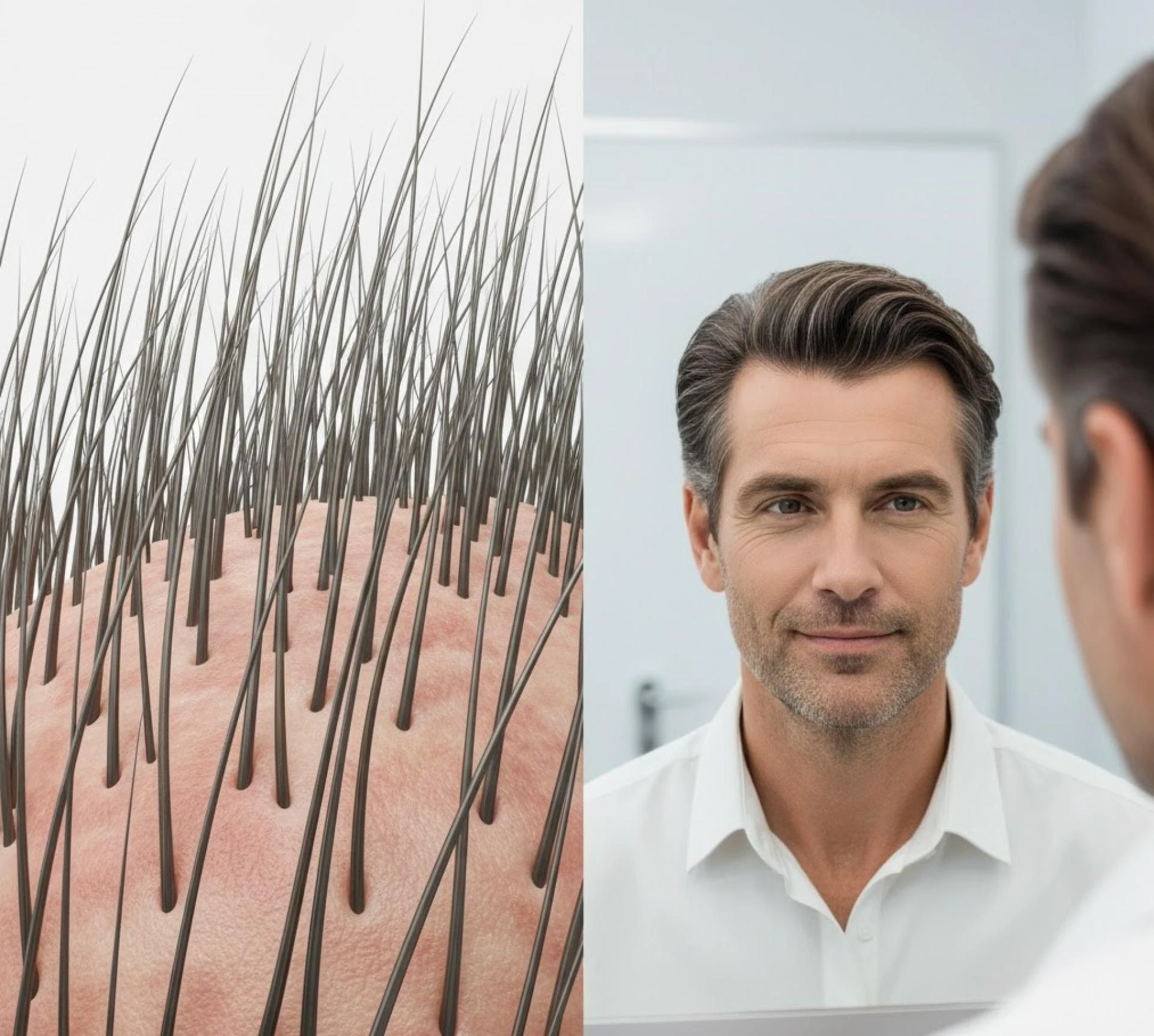
For women seeking a long-term solution, a female hair transplant offers a surgical approach to restoring hair and confidence. This procedure involves relocating healthy hair follicles from donor areas, typically at the back or sides of the scalp, to areas affected by thinning or balding. Modern techniques, such as Follicular Unit Extraction (FUE) and Follicular Unit Transplantation (FUT), provide precise, minimally invasive methods that minimize scarring and ensure natural-looking results.
A female hair transplant not only restores physical appearance but also has a profound psychological impact. Women who undergo the procedure often report increased confidence, reduced anxiety, and a renewed sense of self-esteem. Regaining a fuller head of hair can help women feel more comfortable in social settings, professional environments, and personal relationships.
Preparing for a Hair Transplant
Proper preparation is crucial for achieving optimal results. A consultation with a qualified hair transplant surgeon allows for a thorough assessment of hair density, scalp condition, and overall health. Surgeons evaluate the pattern of hair loss, the availability of donor hair, and any underlying medical conditions that could affect recovery or growth.
Women are advised to maintain a healthy diet, avoid smoking and alcohol, and manage stress levels prior to surgery. These factors can improve healing and enhance the success of the transplanted follicles. Understanding the procedure, recovery timeline, and realistic expectations helps women make informed decisions about their treatment.
Recovery and Aftercare
Recovery from a female hair transplant typically involves several stages. Immediately after surgery, the scalp may be tender, and small scabs may form around the transplanted follicles. These usually heal within a week to ten days. Hair shedding in the transplanted area may occur in the first few weeks, which is a normal part of the process as follicles transition to the growth phase.
New hair growth generally becomes noticeable within three to six months, with full results visible after 9 to 12 months. Following the surgeon’s aftercare instructions, including gentle hair washing, avoiding strenuous activity, and protecting the scalp from sun exposure, is essential for optimal outcomes.
Psychological Benefits of Hair Restoration
The impact of hair restoration extends far beyond cosmetic improvement. Regaining hair can help reduce anxiety, improve self-image, and restore confidence in personal and professional settings. Women often report feeling more empowered and in control of their appearance, which positively influences emotional well-being.
Hair restoration can also reduce social stigma associated with visible hair loss. Women may feel more comfortable engaging in activities like swimming, sports, or social events without worrying about concealing thinning areas. This renewed sense of normalcy and freedom significantly contributes to overall mental health.
Considerations Before Opting for Surgery
While a female hair transplant is highly effective, it is important to consider potential limitations. Not all women are ideal candidates, particularly if donor hair is insufficient or if hair loss is due to medical conditions that could continue to progress. Surgeons may recommend alternative treatments, such as platelet-rich plasma (PRP) therapy, low-level laser therapy, or topical medications, either alone or in combination with surgery.
Cost and recovery time are other factors to consider. Female hair transplants require financial investment and a period of post-operative care, which may necessitate time off work or limiting physical activity. Realistic expectations and open discussions with a qualified surgeon ensure that women understand the process and outcomes.
Long-Term Maintenance
Maintaining results after a female hair transplant involves ongoing care. Healthy hair practices, including proper nutrition, gentle hair handling, and avoiding excessive heat or chemical treatments, support the longevity of transplanted follicles. Some women may also continue treatments like PRP or topical medications to enhance hair growth and prevent future thinning.
Regular follow-ups with the surgeon allow for monitoring progress and addressing any concerns promptly. Combining a surgical approach with preventive care maximizes long-term success and helps women maintain both appearance and confidence over time.
Conclusion
Hair loss in women is not just a cosmetic issue—it affects emotional health, confidence, and quality of life. Female hair transplant procedures offer an effective solution for restoring hair and improving psychological well-being. By addressing the underlying causes, preparing carefully for surgery, and committing to proper aftercare, women can regain not only a fuller head of hair but also a renewed sense of self-assurance. For those struggling with hair thinning or baldness, exploring hair transplant options can be a transformative step toward reclaiming both appearance and confidence, making hair transplant for women a truly life-changing option.





























Sign in to leave a comment.