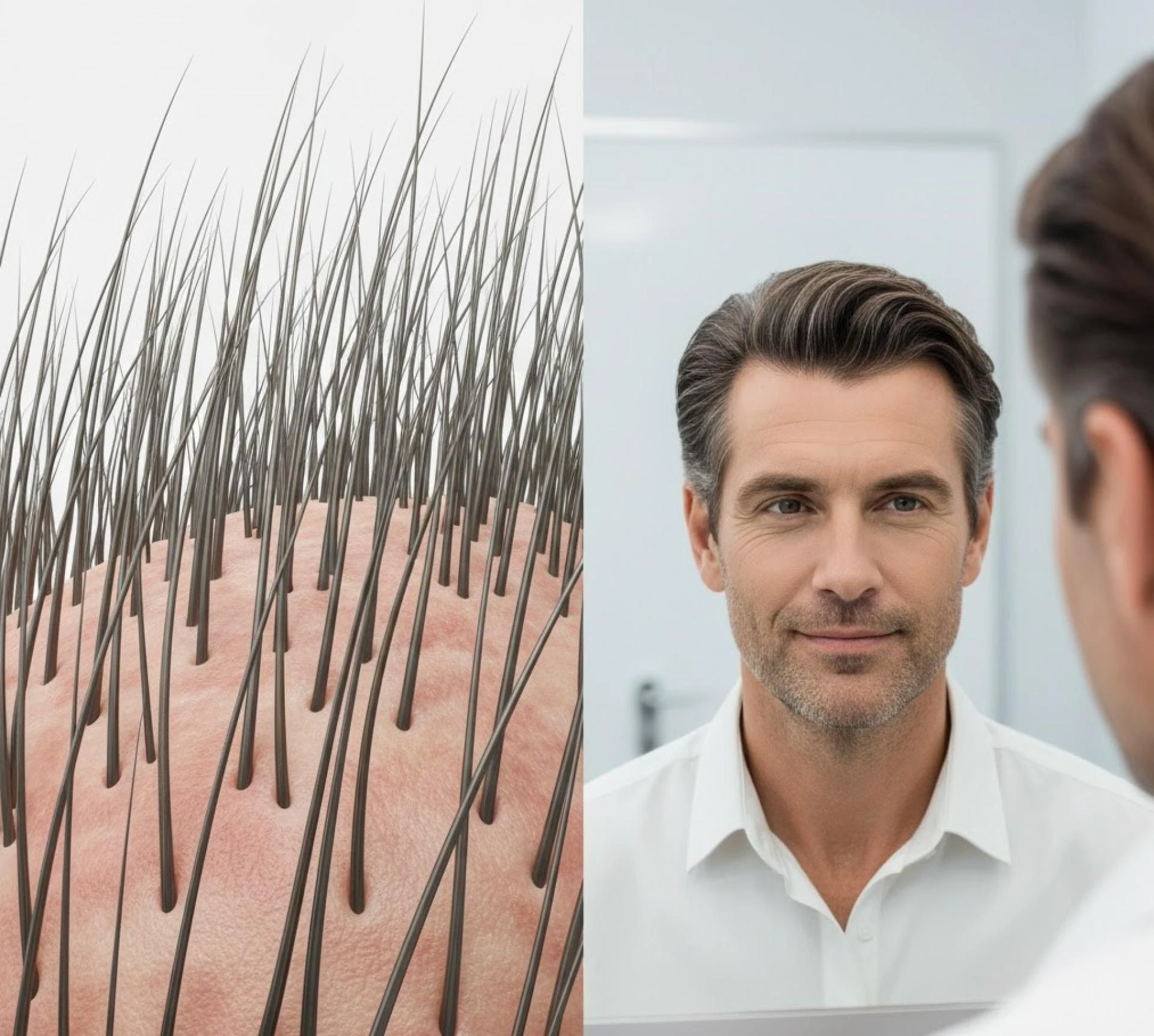

Hair loss is more than a cosmetic concern. For many adults, it affects confidence, social comfort, and even professional presence. As awareness around modern hair restoration grows, people are exploring options that promise visible improvement without the downtime associated with traditional procedures. One question often raised during consultations is whether a non surgical hair transplant can truly recreate natural density—or if surgical techniques remain the only dependable path.
At the same time, procedures such as scalp reduction surgery for hair loss continue to be discussed among patients researching long-term solutions. Understanding the differences between these approaches helps individuals make informed decisions based on their stage of hair loss, expectations, and lifestyle.
This article explains how non-surgical solutions work, what results you can realistically expect, and when surgical intervention may still be recommended by medical professionals.
Understanding Modern Hair Loss
Hair thinning rarely happens overnight. It typically progresses through predictable patterns influenced by genetics, hormonal shifts, stress, medical conditions, and aging.
Common causes include:
- Androgenetic alopecia: Often called male or female pattern baldness.
- Telogen effluvium: Temporary shedding triggered by stress, illness, or major life changes.
- Traction alopecia: Hair loss caused by prolonged tension on the follicles.
- Hormonal imbalance: Thyroid disorders and menopause can contribute to thinning.
Early recognition matters. The sooner hair loss is addressed, the broader the range of effective treatments available.
What Is a Non-Surgical Hair Transplant?
A non surgical hair transplant refers to advanced hair replacement methods designed to replicate the look of natural hair without incisions, stitches, or removal of donor follicles. Rather than redistributing existing hair, these systems focus on creating the appearance of fullness using customized techniques tailored to the patient’s scalp and hair characteristics.
Unlike temporary cosmetic fixes of the past, modern solutions are carefully engineered to blend seamlessly with existing strands.
Key Features
- Custom-designed hair systems matched to color, density, and texture
- Breathable base materials that allow the scalp to remain comfortable
- Professional attachment methods for stability
- Styling flexibility for a natural appearance
For individuals hesitant about surgery, this approach can offer a practical way to restore a youthful hairline with minimal disruption to daily life.
How Natural Can the Results Look?
One of the biggest concerns patients express is whether anyone will notice. Today’s technology has improved significantly, making detection far less likely when the procedure is performed by experienced specialists.
Natural-looking outcomes depend on several factors:
1. Hairline Design
An age-appropriate hairline is critical. Skilled providers avoid overly straight or dense patterns that can appear artificial.
2. Density Gradients
Real hair does not grow uniformly. Gradual transitions create realism.
3. Color Blending
Subtle variations in tone prevent the flat appearance seen in older systems.
4. Professional Maintenance
Routine adjustments help preserve alignment as natural hair grows.
When these elements are handled correctly, a non surgical hair transplant can provide convincing density even at close range.
How Does It Compare to Surgical Procedures?
Patients often weigh non-surgical treatments against procedures such as scalp reduction surgery for hair loss, which physically removes bald areas and stretches hair-bearing skin to cover the scalp.
While both approaches aim to improve coverage, their methods differ considerably.
Non-Surgical Approach
- No incisions
- Immediate cosmetic improvement
- Minimal recovery time
- Adjustable density
Surgical Reduction
- Permanent removal of bald scalp
- Requires healing time
- May involve post-operative discomfort
- Results depend heavily on scalp elasticity
For individuals seeking rapid enhancement without medical recovery, non-surgical methods can be appealing. However, those with advanced baldness may still be evaluated for scalp reduction surgery for hair loss if their anatomy supports it.
Benefits That Attract Today’s Patients
Choosing hair restoration is a personal decision shaped by comfort level, career demands, and long-term goals. Many adults prefer options that allow them to maintain normal routines.
Here is why interest in the non surgical hair transplant continues to rise:
Immediate Visual Impact
There is no waiting period for transplanted follicles to grow.
Predictable Appearance
Patients can preview expected density before placement.
Low Lifestyle Interruption
Most people return to work and social activities quickly.
Adaptability
Density and style can be adjusted over time as preferences change.
Suitable for Early Thinning
Those not ready for surgery often appreciate having a professional solution available.
When Might Surgery Still Be Recommended?
Although non-surgical methods are effective for many individuals, medical professionals sometimes advise surgical intervention for structural reasons.
Scalp reduction surgery for hair loss may be considered when:
- Bald areas are clearly defined
- Surrounding scalp has strong hair growth
- Skin flexibility allows for safe repositioning
- The patient prefers a permanent anatomical change
It is important to note that candidacy must always be determined through a thorough evaluation. Not every patient qualifies, and expectations must remain realistic.
In some cases, providers even combine techniques to maximize coverage.
Psychological Impact of Hair Restoration
Hair is closely tied to identity. Patients frequently describe emotional relief after addressing visible thinning.
Common improvements reported include:
- Greater confidence in professional settings
- Comfort during social interactions
- Reduced focus on concealment strategies
- Freedom to style hair again
For many adults, choosing a non surgical hair transplant is not about vanity—it is about reclaiming normalcy.
Who Is an Ideal Candidate?
While consultations provide the most accurate guidance, certain characteristics suggest strong compatibility with non-surgical restoration:
- Diffuse thinning rather than large bald patches
- Desire to avoid surgical recovery
- Active lifestyle requiring flexibility
- Realistic expectations
- Commitment to maintenance
Patients exploring options often compare these traits against the requirements of scalp reduction surgery for hair loss before deciding which path aligns better with their comfort level.
Maintenance: What Should You Expect?
Long-term satisfaction depends on proper care.
Typical recommendations include:
- Scheduled professional adjustments
- Gentle cleansing routines
- Protective measures during intense physical activity
- Regular scalp evaluations
Maintenance is not complicated, but consistency protects the investment and keeps results looking natural.
Addressing Common Misconceptions
“It Will Look Fake”
Modern customization has changed this perception dramatically.
“People Will Notice”
When properly fitted, most observers cannot distinguish it from natural hair.
“It Is Only for Severe Baldness”
Many patients begin treatment during early thinning stages.
“Surgery Is Always Better”
The best option is the one suited to your anatomy, goals, and tolerance for medical procedures.
For some individuals, avoiding the operating room is reason enough to explore a non surgical hair transplant first.
Consultation Matters More Than You Think
Choosing a provider should never be rushed. A thorough consultation evaluates:
- Pattern and progression of hair loss
- Scalp health
- Lifestyle considerations
- Desired density
- Long-term planning
Medical-grade clinics prioritize education rather than pressure, helping patients understand whether they are better suited for non-invasive solutions or procedures like scalp reduction surgery for hair loss.
Cost Considerations
Investment varies depending on customization, provider expertise, and ongoing care.
While surgical procedures involve operating expenses and recovery factors, non-surgical treatments distribute costs differently through maintenance schedules.
Patients should focus less on the lowest price and more on:
- Provider experience
- Material quality
- Natural design capability
- Aftercare support
Quality often determines how believable the final result appears.
Can It Truly Replace Surgery?
The answer depends on the individual.
For mild to moderate thinning, a non surgical hair transplant can deliver impressive density without medical downtime. For extensive baldness, structural procedures such as scalp reduction surgery for hair loss may still enter the conversation.
Rather than viewing the two as competitors, many specialists treat them as tools within a broader restoration strategy.
The goal is not simply adding hair—it is creating harmony between appearance, comfort, and long-term sustainability.
Making a Confident Decision
If hair loss has begun affecting how you see yourself, taking action early expands your options. Today’s restoration landscape is more refined than ever, offering solutions that respect both aesthetic goals and personal boundaries.
Ask questions. Review before-and-after cases. Seek providers who emphasize natural outcomes over exaggerated promises.
Whether you lean toward a non surgical hair transplant or are researching scalp reduction surgery for hair loss, the most important step is partnering with professionals who prioritize individualized care.
Natural density is no longer reserved for those willing to undergo major procedures. With the right guidance, many patients discover that believable, confidence-restoring results are well within reach.
Frequently Asked Questions
How long does a non-surgical solution typically last?
Longevity varies based on maintenance and lifestyle, but professional care significantly extends durability while preserving a natural look.
Is scalp reduction considered a major procedure?
Yes. Because it involves removing sections of bald scalp, it requires medical expertise, healing time, and careful post-operative monitoring.
Will I need time off work?
Most non-surgical treatments allow a quick return to normal activities, whereas surgical recovery timelines differ from patient to patient.
Can women benefit from modern hair restoration methods?
Absolutely. Many women experiencing diffuse thinning explore non-invasive treatments because they provide coverage without altering existing follicles.
Does age affect eligibility?
Providers focus more on scalp condition and hair characteristics than on age alone.
How soon should I seek professional advice after noticing thinning?
Early consultation often leads to more flexible treatment choices and better long-term planning.




























Sign in to leave a comment.