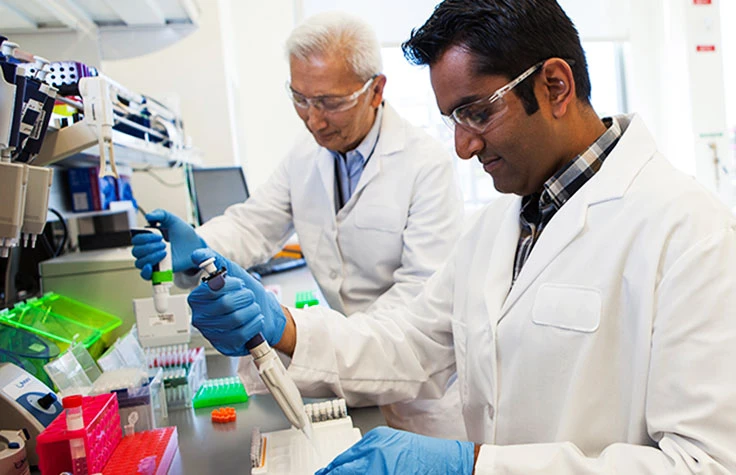

Evolution of Medical Testing
One of the most significant developments in medical science has been the advancement of diagnostic testing. Where doctors once relied primarily on patient symptoms and physical exams to determine causes of illness, laboratory testing now plays a crucial role in establishing diagnoses and guiding treatment decisions. Over the past several decades, the field of in vitro diagnostics (IVD) has revolutionized how healthcare providers identify and monitor diseases.
IVDs refer to medical devices and tests that are performed on samples like blood or tissue taken from the human body. Rather than being conducted inside living organisms, these diagnostic analyses are carried out in controlled laboratory environments outside the body—hence the term "in vitro," meaning "in glass." Examples of common IVD tests include cholesterol screening, blood typing for transfusions, influenza detection, and cancer biomarker analysis. The development of reliable and accurate IVD technologies has vastly improved modern healthcare by enabling faster, more informed medical decisions.
Advancing Point-of-Care Testing
One of the most impactful trends in IVD has been the shift toward point-of-care testing (POCT). Rather than sending samples to central laboratories for analysis, POCT devices can be used near patients in physicians\' offices, clinics, nursing homes, and even at home. This allows for quicker diagnostic results, often in minutes rather than days.POCT has been particularly transformational for managing infectious diseases, cardiovascular conditions, and other emergent situations where rapid diagnosis and treatment are critical.
Portable POCT technologies like glucose monitors, rapid strep tests, and CLIA-waived analyzers have transformed self-monitoring and decentralized care. Patients with chronic illnesses can better track disease progression with convenient home testing. Doctors gain valuable insights during office visits instead of waiting for lab reports. In resource-limited areas, POCT has expanded access to essential diagnostics previously only available in large hospitals. The miniaturization of components like microfluidics, detection chips, and connectivity has fueled innovations in compact, easy-to-use POCT instruments.
Harnessing Molecular Diagnostics
At the same time, core laboratory testing has advanced significantly through new techniques and automation. Molecular diagnostics harness biological markers like DNA, RNA, proteins, and genetic sequences to detect diseases at their most fundamental levels. Polymerase chain reaction (PCR) amplification and next-generation sequencing have unlocked a deeper understanding of illnesses by enabling detection and analysis of viruses, bacteria, and genetic variations.
Molecular tests now play major roles in cancer management, infectious disease monitoring, newborn screening, and prenatal testing. Multiplex panels can simultaneously screen for dozens of pathogens from a single patient specimen. Genomic sequencing tailors therapy based on individual tumor mutations and inherited predispositions. Molecular diagnostic methods have also improved infectious disease surveillance and outbreak response at national and global levels. Advance preparation against future pandemics relies on molecular approaches for accurate, timely epidemiological data.
Facilitating Precision Medicine
Taken together, the evolution of IVD capabilities is propelling personalized, precision-based approaches to diagnosis and treatment. By combining molecular profiling, imaging, electronic health records, and other data sources, healthcare providers are gaining unmatched insight into individual patients\' conditions and underlying biology. This facilitates tailored management strategies customized to patients\' unique characteristics, biomarkers, and expected responses.
An outstanding example is oncology, where tumor biomarker testing guides cancer subtype classifications, prognostic predictions, and targeted therapies. Similar approaches are emerging across therapeutic areas from cardiovascular disease to neurodegenerative disorders. As genomic sequencing and "omics" technologies mature, IVD will play an indispensable role in realizing precision medicine\'s full potential to revolutionize patient outcomes. Cutting-edge diagnostics continue advancing the delivery of personalized healthcare based on a deeper biochemical and genetic understanding of health and illness.
Conclusion
In conclusion, in vitro diagnostics have transformed modern medicine by enabling objective, evidence-based clinical decisions. From miniaturized point-of-care devices to large-scale molecular analysis, IVD technologies empower physicians with crucial diagnostic insights. These tools are also empowering patients through expanded access to convenient, affordable testing. Looking ahead, further innovations in molecular diagnostics, automation, artificial intelligence, and other areas promise to take individualized healthcare to an unprecedented new level of precision and optimization. Continued advances in biomedical research and clinical applications will further cement IVD\'s vital role in health systems worldwide.





























Sign in to leave a comment.