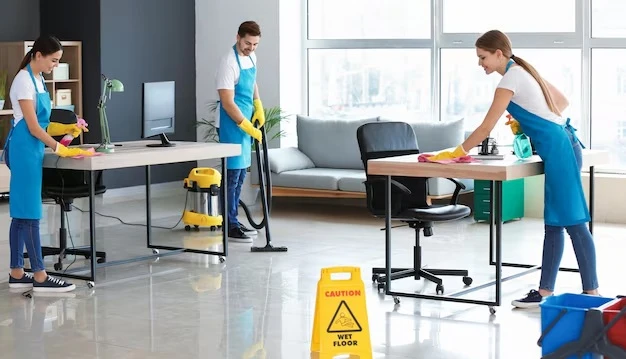
Moving out of a rented home can feel like a lot to handle. You have boxes to pack, bills to pay, and keys to give back. One important job is making sure the house is very clean. End of Tenancy Cleaning in Coventry is usually part of the rental agreement, and if it’s not done properly, money from your deposit might be taken. Every renter should know what to do and how to get ready.
This guide will show what landlords expect, what cleaning usually includes, and how renters can protect their deposit in simple steps.
What You Need to Know About End of Tenancy Cleaning Coventry
When you leave a rented home, you have to return it in the same condition it was in at the start, except for normal wear and tear. This means more than a quick tidy-up. It needs a deep clean, which is why End of Tenancy Cleaning in Coventry is so important.
Most rental agreements say the home must be cleaned well. Landlords or agents usually do a final check. They compare the home to the inventory report from when you moved in. If the cleaning is not satisfactory, they might hire professionals and charge the cost to your deposit.
What Does “Professional Standard” Mean?
Professional cleaning usually includes:
- Thorough cleaning of kitchens and appliances
- Removing limescale and dirt from bathrooms
- Vacuuming carpets and removing stains
- Cleaning inside cupboards and wardrobes
- Wiping doors, skirting boards, and handles
- Cleaning windows inside
It’s not just what you see. Hidden spots, such as behind appliances and in drawers, are also checked.
Why This Matters for Your Deposit
Your deposit is a lot of money. Cleaning issues are one of the main reasons for deposit deductions. Even small problems, like grease in the oven or limescale in the shower, can cost money.
Proper cleaning helps you:
- Avoid deposit disputes
- Make the handover process easier
- Give a good impression to the landlord
Keep receipts or proof of professional cleaning to show if there’s a problem.
Rooms That Need Extra Care
Some parts of the house need more attention because they get dirty fast and are checked closely.
Kitchen
The kitchen is used a lot, so it gets messy quickly. Clean the inside of the oven, stove, extractor fan, and fridge. Remove grease and food stains.
Empty cupboards and wipe inside and out—clean sinks and worktops. Even small crumbs or marks can be noticed.
Bathroom
Bathrooms need deep cleaning. Remove limescale around taps, shower doors, and tiles. Clean toilets, sinks, and baths well.
Make mirrors and glass streak-free. Treat any mould on grout or seals.
Living Rooms and Bedrooms
Vacuum carpets properly. If there are stains, consider professional carpet cleaning. Mop and polish hard floors.
Dust often collects on skirting boards, light fixtures, and radiators. These are usually checked during inspections.
Cleaning Yourself or Hiring Professionals
Some people clean themselves, and some hire professional cleaners. Both choices have good points.
Doing It Yourself
Cleaning yourself saves money but takes time and effort. You need the right tools and products. Some stains and dirt are hard to remove without professional equipment.
There’s also a risk. If the landlord is unhappy, you might still have to pay for professional cleaning later.
Hiring a Professional Service
Professional cleaners know exactly what to do and have checklists. They know what agents are looking for and usually don’t miss spots.
Many cleaning companies offer guarantees. If the landlord isn’t happy, they can come back and fix it. This makes moving out less stressful.
Planning Your Cleaning
Timing is important. Clean after everything is packed and removed. Empty rooms are easier to clean well.
Tips:
- Book cleaning early
- Leave enough time before the final check
- Look at the inventory for special requirements
Rushing can lead to mistakes. A plan helps avoid stress.
Common Mistakes
Even careful renters can forget things. Common mistakes include:
- Not cleaning inside appliances
- Leaving rubbish behind
- Ignoring small marks on walls
- Forgetting window frames and sills
- Not defrosting the freezer
Paying attention to these details can make a big difference.
Talking to Your Landlord or Agent
Good communication can prevent problems. Ask if there’s a cleaning checklist. Some landlords provide guidance.
Also helpful:
- Take photos after cleaning
- Keep invoices or receipts
- Confirm the inspection date in writing
Being organised shows responsibility and helps if there’s a dispute.
Final Checks Before Leaving
Before leaving, walk through each room. Open cupboards, check drawers, and corners. Remove all personal items.
Turn off appliances, empty bins, and make sure the house smells fresh. Small details matter.
A final check can catch anything missed. Fixing small issues now is better than losing part of your deposit.
Conclusion
Moving out is more than packing boxes. Cleaning is very important to keep your deposit and leave a good impression. By knowing what to do, planning, and paying attention to details, you can avoid stress. End-of-tenancy cleaning is an important part of moving out. Using helpers like Cleaning Services Coventry Ltd makes cleaning easier and faster, so the whole process is simple and stress-free.

























Sign in to leave a comment.