
Getting pregnant doesn't always happen as expected. For some people, the answer lies in a condition they may have lived with for years without realizing how much it affects their reproductive health. Endometriosis is one of the most common causes of infertility, yet it often goes undiagnosed until someone begins trying to conceive.
The good news is that a diagnosis of endometriosis doesn't automatically mean pregnancy isn't possible. Many people conceive naturally, while others benefit from personalized fertility care that addresses the condition's unique impact on the reproductive system. Understanding your endometriosis fertility treatment options is an important first step toward making informed decisions.
Why Endometriosis Affects Fertility Differently for Everyone
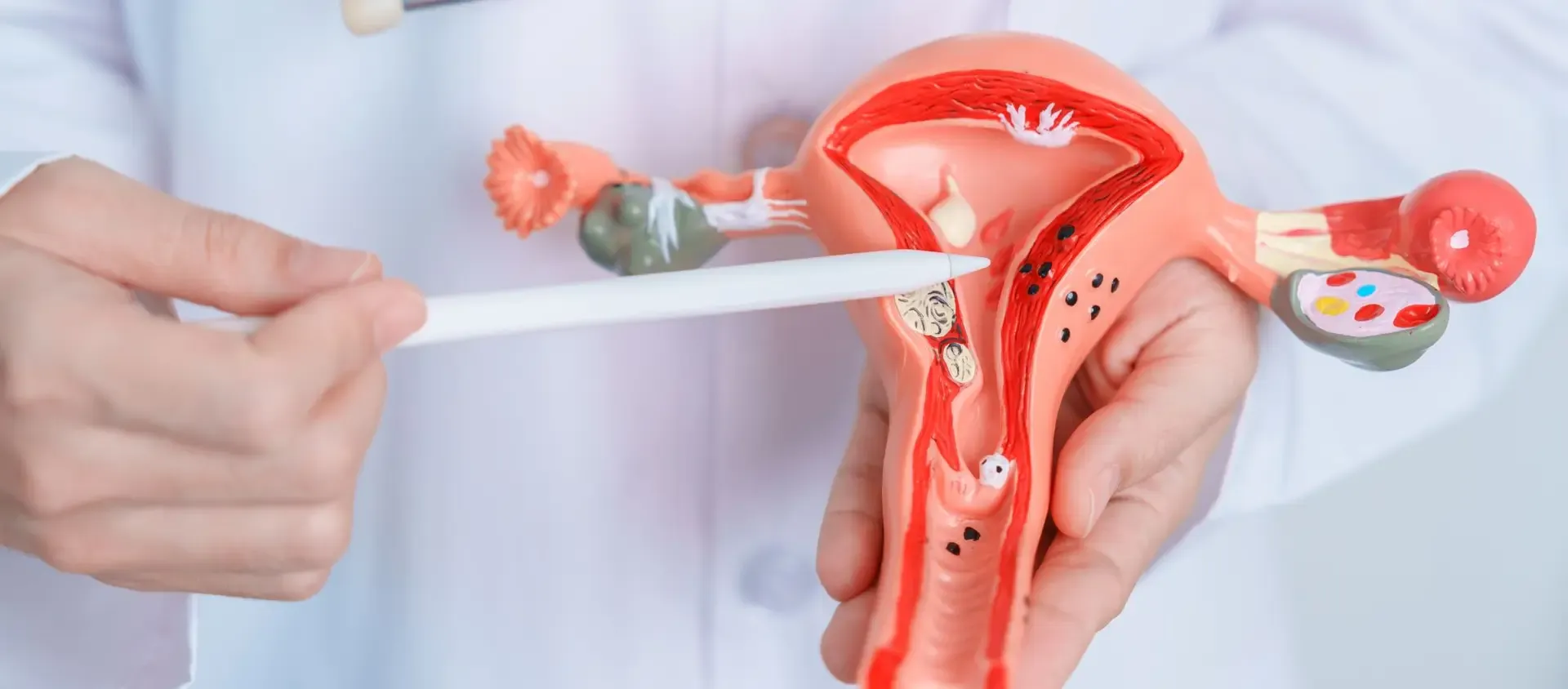
Endometriosis is the result of the growth of tissue that resembles the lining of the uterus on structures outside of the uterus, typically on the ovary, fallopian tubes, and other pelvic organs. This tissue changes monthly like the uterine lining. However, unlike the uterine lining during a normal menstrual cycle, it has no place to go, resulting in inflammation, scarring, and sometimes the development of ovarian cysts, called endometriomas.
Endometriosis does not always cause infertility. Some individuals experience mild disease and no medical intervention and conceive naturally without any obvious treatment, while others have noticeable symptoms and yet experience significant difficulties. That's because the stage of endometriosis is not the only factor that affects fertility.
Several factors can influence pregnancy chances, including:
- Age and ovarian reserve
- The location and extent of pelvic endometriosis
- Whether the fallopian tubes remain open
- Egg quality
- Inflammation within the pelvic environment
- The presence of scar tissue or pelvic adhesions
- Other underlying reproductive health conditions
Two people with similar symptoms may have very different fertility outcomes, which is why individualized evaluation is so important.
How Endometriosis Can Interfere With Conception
Endometriosis can affect fertility in several ways, sometimes at the same time.
Inflammation inside the pelvis may interfere with fertilization and embryo implantation. Scar tissue can distort the normal anatomy of the reproductive organs, making it harder for the egg and sperm to meet. Endometriomas may reduce healthy ovarian tissue, potentially affecting egg quality or ovarian reserve. In more advanced cases, blocked or damaged fallopian tubes can prevent natural conception altogether.
Even people with relatively mild disease may experience infertility because inflammation can influence reproductive function before structural damage becomes obvious.
This explains why someone may have regular menstrual cycles yet still struggle to become pregnant.
When Is It Time for a Fertility Evaluation?
Persistent pelvic pain, painful periods, heavy menstrual bleeding, or unexplained infertility may be signs of something more serious and require attention.
- If you have not become pregnant after:
- If you're under 35 and have been trying to conceive for 12 months
- 6 months for people who are 35 years old or older
- As early as possible if the disease has already been diagnosed or if symptoms point to it
Evaluating early does not always result in treatment starting right away. It gives significant information that enables decision-making on which way to go before good reproductive time has been wasted.
How Endometriosis Is Diagnosed During Fertility Testing
Because there is no single test to diagnose endometriosis, a combination of symptoms, imaging, and fertility testing may be used.
The various tests that can be part of a comprehensive fertility evaluation include imaging tests to check the uterus and fallopian tubes, hormone testing to assess the ovarian reserve and ovulation, and pelvic ultrasound to check for ovarian cysts or other structural abnormalities. In some cases, laparoscopy (minimally invasive surgery) is the best method for diagnosis and evaluation of endometriosis.
The evaluation is not just to determine if endometriosis is present. It assists in assessing the impact on fertility and the most suitable therapies in the light of personal circumstances.
Endometriosis Fertility Treatment Options Depend on Individual Needs
There is no "one size fits all" plan for treatment. Treatment will depend on the individual's symptoms, ovarian reserve, any previous pregnancies, the severity of the disease, and the duration of unsuccessful pregnancies.
It could be appropriate to wait and see for some women with mild disease with good ovarian reserve and timed intercourse.
Sometimes, medications are used to suppress endometriosis activity and reduce inflammation before fertility treatment. These medicines can help alleviate symptoms, but do not make a person fertile again, and so timing is very important in treatment planning.
Assisted reproductive treatments are invaluable for many women who are experiencing fertility issues due to endometriosis and are unable to conceive naturally.
Intrauterine Insemination (IUI)
IUI may be considered for carefully selected patients with mild endometriosis, healthy fallopian tubes, and no significant male factor infertility. Success depends heavily on individual fertility factors rather than the diagnosis alone.
IVF for Endometriosis
IVF may be recommended if the endometriosis has had a negative impact on fertility, both fallopian tubes have been damaged, ovarian reserve is dwindling, or previous treatments have not led to a successful pregnancy.
Sometimes, fertility experts make changes to IVF procedures based on individual characteristics of people with endometriosis. Specific ovarian stimulation, embryo transfer timing, and embryo freezing prior to transfer are all treatment options that may be used to create a more favorable uterine environment.
Experts don't use a standard protocol; they look at each individual's reproductive health and choose the safest and most effective method.
Does Surgery Always Improve Fertility?
While surgery may be an important part of treatment, it is not the right choice for everyone.
Surgical management of these endometriomas, pelvic adhesions, or severe anatomical distortion may improve fertility outcomes when they interfere with natural conception or when natural conception is not possible.
At the same time, repeated surgery to the ovary can cause a loss of healthy tissue, particularly if there is already limited ovarian reserve. Some patients may have an increased likelihood of getting pregnant if they proceed straight into IVF rather than undergoing another surgical option.
This is why it is important to consider both symptom relief and long-term reproductive goals when deciding on surgery.
Why Individualized Care Matters for Complex Fertility Challenges
There are often multiple issues causing infertility in people with complex fertility challenges. Age-associated diminished ovarian reserve, ovulation disorders, male factor infertility, and endometriosis can coexist.
Considering only one diagnosis can postpone effective treatment.
Advanced fertility testing, evaluation of ovarian function, imaging, fertility endocrinology, and tailored fertility treatment are all combined in comprehensive fertility care to uncover all of the factors that affect the odds of pregnancy.
Rather than asking what everyone with endometriosis is treated with, one better question is, what is the treatment that is right for me and my reproductive health right now?
This change can result in better information and more realistic expectations.
Conclusion
A major misconception about endometriosis is that the condition only causes fertility issues when it's extensive. In fact, even a mild case is capable of affecting conception, and some individuals with a more advanced disease conceive naturally.
The evaluation of the ovary is an important part of a thorough history when treatment decisions are being made, as each situation is unique and valuable information can be gained from early evaluation about the ovary, reproductive anatomy, and the overall fertility potential.
When patients have complex fertility issues, tailored fertility evaluation and evidence-based treatment planning can help lead them to the right treatment course. This may be through monitoring, surgery, IUI, IVF, or other infertility treatment, but knowing the cause of your infertility means that your care is targeted at the most relevant elements that can help you get a healthy pregnancy.
























Sign in to leave a comment.