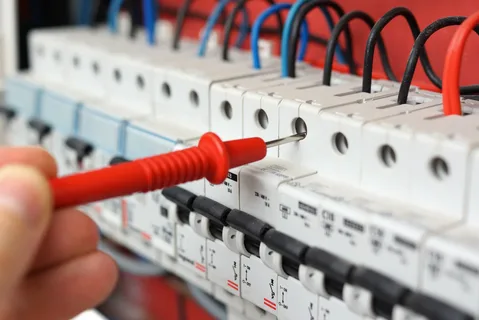

Introduction: Electrical Supplies
In today\'s interconnected world, electricity serves as the lifeblood that powers our homes, businesses, and communities. From lighting our spaces to fueling our technological advancements, the availability and reliability of electrical energy are essential for modern living. At the heart of this electrified world lies the intricate network of electrical supplies, encompassing a vast array of products and technologies designed to generate, distribute, and utilize electrical energy efficiently and safely. This article delves into the multifaceted realm of electrical supplies, exploring their diverse applications, latest innovations, and critical role in energizing homes and businesses across the globe.
Understanding Electrical Supplies:
Electrical supplies encompass a broad spectrum of products and components that form the backbone of electrical systems. These supplies facilitate the generation, transmission, distribution, and utilization of electrical energy in various applications, ranging from residential lighting to industrial machinery. Some essential categories of electrical supplies include:
- Wiring and Cables: Wiring and cables are essential components that facilitate the transmission of electrical energy from power sources to electrical devices and equipment. They come in various types, sizes, and materials, each tailored to specific voltage, current, and environmental requirements.
- Switches and Outlets: Switches and outlets are devices used to control the flow of electricity within buildings and provide access points for connecting electrical devices. They come in a variety of designs, including traditional toggle switches, dimmer switches, and receptacles, to meet different functional and aesthetic preferences.
- Circuit Protection Devices: Circuit protection devices, such as circuit breakers, fuses, and surge protectors, safeguard electrical circuits from overloads, short circuits, and voltage spikes. They interrupt the flow of electricity when necessary to prevent damage to equipment and mitigate the risk of electrical hazards.
- Lighting Fixtures and Bulbs: Lighting fixtures and bulbs illuminate indoor and outdoor spaces, providing both functional illumination and aesthetic appeal. They come in various styles, shapes, and technologies, including incandescent, fluorescent, LED, and halogen, offering different levels of brightness, color rendering, and energy efficiency options.
- Power Distribution Equipment: Power distribution equipment, such as electrical panels, distribution boards, and transformers, manages and regulates the flow of electricity within buildings and across electrical grids. They ensure reliable and efficient distribution of power to various circuits and devices.
Applications of Electrical Supplies in Homes and Businesses:
Electrical supplies play a vital role in energizing homes and businesses, supporting a wide range of applications and functions:
- Residential Applications: In homes, electrical supplies power lighting, heating, cooling, appliances, entertainment systems, and electronic devices. From the wiring behind the walls to the switches, outlets, and lighting fixtures, electrical supplies enable residents to enjoy comfort, convenience, and safety in their living spaces.
- Commercial Applications: In commercial buildings, electrical supplies support lighting, HVAC systems, refrigeration, office equipment, communication systems, and security systems. They facilitate day-to-day operations, enhance productivity, and create comfortable and inviting environments for employees and customers alike.
- Industrial Applications: In industrial facilities, electrical supplies power machinery, manufacturing processes, conveyor systems, robotics, and automation equipment. They enable efficient production, optimize energy usage, and ensure the safety and reliability of critical industrial operations.
- Renewable Energy Integration: With the increasing focus on sustainability and renewable energy, electrical supplies play a crucial role in integrating solar, wind, and other renewable energy sources into electrical systems. They support the installation of solar panels, wind turbines, energy storage systems, and grid-tied inverters, enabling businesses and homeowners to generate clean and sustainable electricity on-site.
Innovations and Trends in Electrical Supplies:
The electrical supply industry is continuously evolving, driven by technological advancements, market trends, and consumer demands. Some of the latest innovations and trends in electrical supplies include:
- Smart Technologies: The rise of smart technologies, including smart meters, sensors, controls, and IoT devices, is transforming the way we monitor, manage, and control electrical systems. Smart technologies enable remote monitoring, energy management, predictive maintenance, and automation, improving efficiency, reliability, and safety.
- Energy Efficiency Solutions: Energy-efficient electrical supplies, such as LED lighting, high-efficiency motors, variable frequency drives, and energy management systems, help reduce energy consumption, lower operating costs, and minimize environmental impact. These solutions are increasingly adopted by businesses and homeowners seeking to optimize energy usage and achieve sustainability goals.
- Electric Vehicle Infrastructure: With the growing adoption of electric vehicles (EVs), the demand for EV charging infrastructure is on the rise. Electrical supplies support the installation of EV charging stations, including Level 1, Level 2, and DC fast chargers, enabling convenient and accessible charging for EV owners at home, workplaces, and public locations.
- Renewable Energy Technologies: Advances in renewable energy technologies, such as solar photovoltaics (PV), wind turbines, and energy storage systems, are driving the transition towards a more sustainable and decentralized energy future. Electrical supplies support the deployment of renewable energy systems, allowing businesses and homeowners to generate clean and renewable electricity on-site and reduce their reliance on traditional grid power.
Considerations for Choosing Electrical Supplies:
When selecting electrical supplies for homes and businesses, several key considerations should be taken into account:
- Quality and Reliability: Prioritize quality and reliability when choosing electrical supplies to ensure long-term performance, safety, and durability. Select products from reputable manufacturers known for their high-quality craftsmanship and adherence to industry standards and regulations.
- Compatibility and Integration: Ensure compatibility and integration with existing electrical systems and equipment to avoid compatibility issues, operational inefficiencies, and additional costs associated with retrofitting or modifications. Choose electrical supplies that seamlessly integrate with other components and technologies for optimal performance
read others: Elevating Home Security: Trusted Garage Door Services Throughout CA


























Sign in to leave a comment.