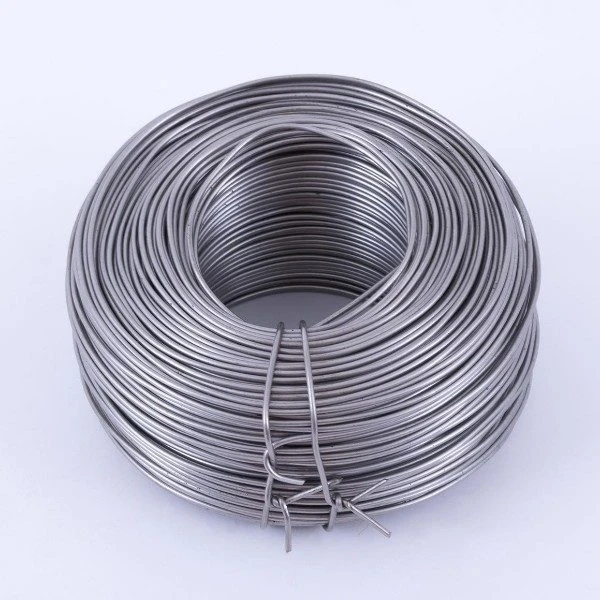

Understanding 316L Stainless Steel Wire
316L stainless steel wire is a variation of the 316 stainless steel alloy known for its low carbon content. It comprises an alloying mixture containing chromium, nickel, molybdenum, and other elements. The "L" in its name indicates its low carbon content, making it resistant to sensitization and ideal for welding applications. 316L stainless steel wire is widely used in the automotive, construction, and manufacturing industries. 316L stainless steel wire suppliers specialize in providing customers with 316L stainless steel wire. These suppliers offer various products, including various sizes and forms of 316L stainless steel wire, such as spools or coils.
Superior Corrosion Resistance
One of the key advantages of using 316L stainless steel wire for welding is its superior corrosion resistance. This material exhibits excellent resistance to corrosive environments, including saltwater, chemicals, and acids. It is highly suitable for applications in marine environments, food processing industries, and medical equipment manufacturing.
High Strength and Durability
316L stainless steel wire offers impressive strength and durability, making it suitable for demanding welding projects. It maintains its mechanical properties even at elevated temperatures, ensuring the integrity of the weld joint. The high strength of 316L stainless steel wire contributes to the longevity and reliability of welded structures.
Excellent Weldability
Weldability is a critical factor in the choice of welding materials, and 316L stainless steel wire excels in this aspect. Its low carbon content minimizes the risk of carbide precipitation, which can lead to intergranular corrosion and weakened welds. Additionally, 316L stainless steel wire exhibits good flexibility and can be easily formed, bent, and welded into complex shapes.
Compatibility with Various Welding Techniques
316L stainless steel wire is compatible with various welding techniques, including TIG (Tungsten Inert Gas), MIG (Metal Inert Gas), and submerged arc welding. This versatility allows welders to choose the most suitable method based on the specific requirements of their welding projects. Using 316L stainless steel wire ensures consistent and reliable weld quality across different welding processes.
Applications of 316L Stainless Steel Wire
The unique properties of 316L stainless steel wire make it suitable for various applications across diverse industries. Some common applications include:
Pharmaceutical and Medical Equipment
316L stainless steel wire is widely used in manufacturing pharmaceuticals and medical equipment, such as surgical instruments, implants, and medical devices. Its corrosion resistance, biocompatibility, and ease of sterilization make it an ideal choice for ensuring the safety and durability of medical equipment.
Food Processing Industry
Maintaining hygiene and preventing contamination are top priorities in the food processing industry. 316L stainless steel wire is extensively used for fabricating equipment like food storage tanks, mixing vessels, and processing machinery. Its corrosion resistance and ease of cleaning make it suitable for handling food products and maintaining sanitary conditions.
Architectural Applications
The aesthetic appeal and durability of 316L stainless steel wire make it a popular choice for architectural applications. It is often used to construct structures, handrails, facades, and decorative elements. The material's corrosion resistance ensures architectural designs' longevity and visual appeal, even in harsh outdoor environments.


























Sign in to leave a comment.