
Introduction
In the world of international trade and shipping, the transportation of goods across long distances demands utmost care and protection. Shipping containers are the backbone of this process, offering a secure and standardized means of transporting various commodities. However, when it comes to certain products that are sensitive to environmental factors or prone to contamination, additional safeguards are required. This is where shipping container liners prove to be an invaluable asset.
What are Shipping Container Liners?
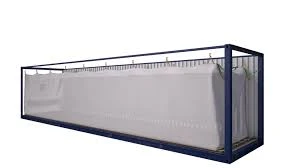
Shipping container liners are large, flexible, and impermeable bags designed to fit inside standard shipping containers. They serve as a protective barrier between the container's interior and the cargo, safeguarding the products from moisture, contaminants, temperature fluctuations, and physical damage during transit.
Types of Shipping Container Liners
Dry Bulk Liners: Ideal for transporting free-flowing dry bulk goods like grains, powders, and granular materials. These liners prevent the cargo from getting contaminated and ensure it stays dry, even during rainy or humid conditions.
Flexitank Liners: These liners are specifically designed to transport non-hazardous liquid products in bulk, such as edible oils, beverages, and industrial liquids. Flexitank liners provide a safe and cost-effective alternative to traditional liquid shipping methods.
Reefer Container Liners: Designed to be used in refrigerated containers, these liners maintain a consistent temperature for temperature-sensitive goods, such as fruits, vegetables, pharmaceuticals, and chemicals, throughout the shipping process.
Benefits of Shipping Container Liners
Enhanced Cargo Protection: Shipping container liners provide an additional layer of protection against moisture, dust, and contaminants. This is particularly crucial for goods that are susceptible to spoilage or degradation during transit.
Cost-Effectiveness: Liners enable shipping companies to convert standard dry containers into specialized containers for bulk or liquid cargo, eliminating the need for expensive specialized equipment.
Environmentally Friendly: By using liners, businesses can avoid the need for additional packaging materials, reducing waste and promoting sustainability.
Easy Installation and Removal: Container liners are easy to install and remove, streamlining the loading and unloading processes. This helps in reducing turnaround time and increasing operational efficiency.
Versatility: Container liners can be customized to suit specific cargo requirements, ensuring a perfect fit for various types of products and containers.
Conclusion
Shipping container liners have revolutionized the way sensitive cargo is transported across the globe. They offer a cost-effective and reliable solution for protecting goods from environmental factors and contamination during transit. By investing in high-quality liners and choosing the appropriate type for your cargo, businesses can ensure the safe and efficient transportation of their products, thereby gaining a competitive edge in the global market. As the world of international trade continues to evolve, shipping container liners will undoubtedly play an increasingly vital role in securing the supply chain and meeting customer demands with unparalleled safety and efficiency.


























Sign in to leave a comment.