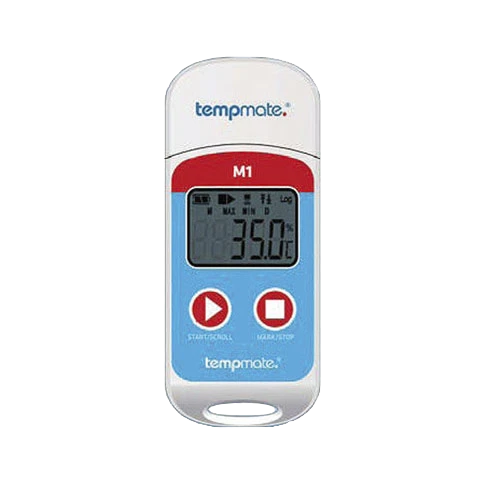

In the fast-paced world of logistics and supply chain management, efficiency is paramount. With the rapid growth of the UAE's economy and an increasing number of businesses expanding their operations, the need for effective warehouse monitoring systems has never been more critical. A warehouse monitoring system not only streamlines operations but also ensures that products are stored and handled under optimal conditions. One of the key components of these systems is data loggers, which play a significant role in enhancing operational efficiency.
1. Understanding Warehouse Monitoring Systems
A warehouse monitoring system integrates various technologies to track and manage inventory, temperature, humidity, and other essential factors within a warehouse. These systems provide real-time data, enabling warehouse managers to make informed decisions and respond promptly to any issues that may arise. The implementation of such systems leads to improved inventory management, reduced waste, and enhanced compliance with industry regulations.
2. The Role of Data Loggers
Data loggers are electronic devices that record environmental parameters over time. In a warehouse setting, they can monitor various factors such as temperature, humidity, light exposure, and even vibration. This data is essential for businesses dealing with perishable goods, pharmaceuticals, or sensitive electronics, as it ensures that products remain within the required storage conditions.
3. Key Benefits of Data Loggers in Warehouse Monitoring
● Real-Time Monitoring
One of the primary advantages of using data loggers is their ability to provide real-time monitoring of environmental conditions. With instant access to data, warehouse managers can quickly identify any deviations from set parameters. This timely response can prevent potential losses due to spoilage, damage, or degradation of goods.
● Enhanced Inventory Management
Accurate inventory management is crucial for any business. Data loggers can track inventory levels and conditions, ensuring that products are stored correctly. For instance, if a specific item is at risk of being exposed to high temperatures, the system can alert staff to take corrective action. This proactive approach helps businesses maintain optimal inventory levels and reduces the risk of overstocking or stockouts.
● Compliance with Regulations
Many industries, such as food and pharmaceuticals, are subject to stringent regulations regarding storage conditions. A warehouse monitoring system UAE can help businesses comply with these regulations by providing documented evidence of environmental conditions. Data loggers can generate reports detailing temperature and humidity readings over time, which can be invaluable during inspections or audits.
● Cost Efficiency
By implementing data loggers, businesses can achieve significant cost savings. The ability to monitor conditions in real time helps prevent waste and loss of goods, which can be financially devastating. Additionally, the data collected by these devices can be used to optimize storage conditions, leading to reduced energy costs and improved operational efficiency.
4. Challenges in Implementing Warehouse Monitoring Systems
While the benefits of warehouse monitoring systems and data loggers are clear, implementing these technologies can present challenges. Businesses may face initial setup costs, the need for staff training, and integration with existing systems. However, the long-term advantages far outweigh these challenges.
● Initial Investment
The initial cost of purchasing and installing warehouse monitoring systems and data loggers can be significant. However, businesses should view this as an investment rather than an expense. The potential cost savings from reduced waste, improved inventory management, and enhanced efficiency will ultimately justify the investment.
● Staff Training
Employees must be adequately trained to operate and maintain the monitoring systems and data loggers effectively. This training should include understanding how to interpret data, respond to alerts, and conduct regular maintenance on the equipment. Investing in employee training ensures that the system is used to its full potential.
5. Future Trends in Warehouse Monitoring Systems
As technology continues to advance, warehouse monitoring systems are expected to evolve significantly. Here are some trends to watch for in the near future:
● Integration with IoT
The Internet of Things (IoT) is set to play a pivotal role in warehouse monitoring systems. By connecting data loggers and other devices to the internet, businesses can gain even greater visibility into their operations. IoT-enabled devices can communicate with each other, providing a more comprehensive view of the entire warehouse environment.
● Artificial Intelligence and Analytics
The integration of artificial intelligence (AI) into warehouse monitoring systems will enable businesses to analyze data more effectively. AI algorithms can identify patterns and trends, helping managers make informed decisions based on historical data. This predictive analytics approach can further enhance efficiency and reduce operational risks.
● Cloud-Based Solutions
Cloud-based warehouse monitoring systems will continue to gain popularity. These solutions allow businesses to access data from anywhere, facilitating remote monitoring and management. Additionally, cloud storage ensures that data is secure and easily retrievable, even in the event of hardware failure.
Summary:
In the rapidly evolving landscape of the UAE’s logistics sector, implementing a warehouse monitoring system that incorporates data loggers is crucial for maintaining efficiency, safety, and compliance. The benefits of real-time monitoring, enhanced inventory management, and cost efficiency are invaluable for businesses seeking to thrive in a competitive environment. By investing in these technologies, companies can optimize their operations, safeguard their inventory, and ultimately boost their bottom line. As the industry continues to evolve, embracing innovative solutions will be key to staying ahead of the curve.



























Sign in to leave a comment.