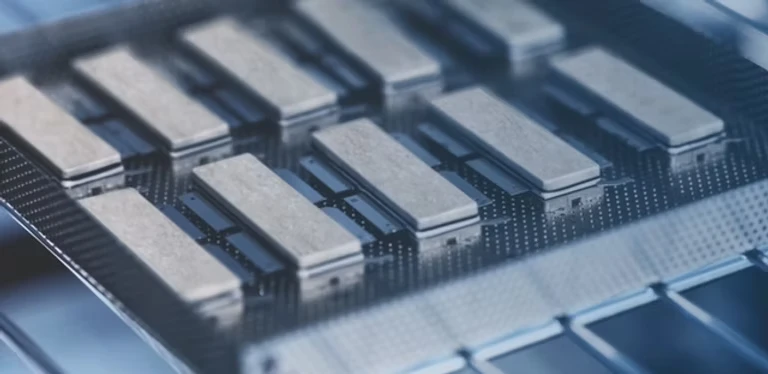
Printed circuit board (PCB) assembly methods are constantly improving in the dynamic field of electronics manufacturing to meet growing demands for production efficiency, reliability, and miniaturization. Among these developments, pre-applied b-stage epoxy components have become a revolutionary way to assemble contemporary electronics. There is no need for additional adhesive application steps because these specially formulated adhesives are already partially cured and activated during the standard reflow soldering process. This blog explores five key ways pre-applied b-stage epoxy enhances PCB assembly processes and outcomes.
Improved Thermal Management
Heat dissipation is significantly improved by pre-applied b-stage epoxy, which produces excellent thermal interfaces between components and PCB surfaces or heat sinks. Localized hotspots that could shorten component lifespan and performance are avoided by this improved thermal conductivity. These epoxies can lower operating temperatures by 15–30% when compared to conventional assembly techniques for high-power applications such as processor modules, power converters, and LED arrays. This increases product reliability and makes higher power density designs possible.
Enhanced Mechanical Stability
From automotive electronics that endure severe vibration to wearable technology that is constantly in motion, modern electronic devices must contend with physically demanding environments. Strong mechanical bonds produced by pre-applied b-stage epoxy greatly improve a component's resistance to shock, vibration, and thermal cycling stresses. For heavy components, fine-pitch devices, and applications where traditional solder joints by themselves are unable to provide adequate mechanical support under dynamic loading conditions, this increased stability is especially important.
Streamlined Manufacturing Processes
The manufacturing process is made more complex and time-consuming by the need for separate dispensing equipment, curing cycles, and quality control procedures in traditional underfill and adhesive application methods. Pre-applied epoxies activate during routine reflow soldering without the need for extra steps, allowing them to blend in seamlessly with standard surface mount technology (SMT) workflows. Compared to manual or automated dispensing methods, this integration drastically reduces the risk of contamination or application errors, eliminates equipment costs, and cuts manufacturing time.
Precise Application Control
Consistency is a problem with traditional liquid adhesive dispensing, particularly for small parts and high-density assemblies. With controlled thickness and coverage area established during component manufacturing rather than assembly, pre-applied b-stage epoxies provide accurate, repeatable adhesive placement. With this accuracy, typical problems that plague conventional dispensing techniques such as adhesive bleed-out, component floating, or inadequate coverage, are eliminated, leading to more reliable performance and increased first-pass yields in production settings.
Enhanced Environmental Protection
More and more electronic devices are used in harsh settings where contaminants, chemicals, and moisture can compromise their dependability. B-stage epoxy that has been pre-applied forms barriers that protect delicate component interfaces from environmental dangers. To withstand certain chemicals, moisture content, or temperature extremes pertinent to the final application, these epoxies can be made with particular qualities. This environmental protection greatly lowers field failures and prolongs product life even in challenging operating environments for outdoor, industrial, and automotive applications.
In the end
Traditional assembly techniques are becoming increasingly limited as electronics continue to grow in complexity while decreasing in size. Pre-applied b-stage epoxy components provide an advanced solution that tackles several issues at once, ranging from mechanical stability and heat control to production efficiency and environmental preservation. Electronics manufacturers can achieve increased performance, streamlined production workflows, and reliability by incorporating these advanced materials into their assembly processes. These cutting-edge epoxy solutions offer a crucial competitive edge in the increasingly demanding field of contemporary electronics manufacturing, as consumer expectations for the performance and longevity of electronic devices continue to rise.
Sign in to leave a comment.