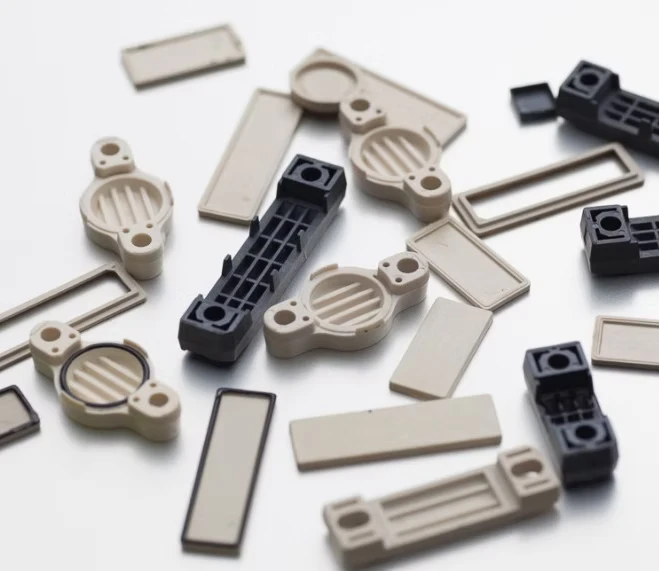
Reliability and efficiency are crucial for preserving market advantage in the cutthroat industrial environment of today. Leaders in the electronics, automotive, and aerospace industries are increasingly using pre-applied b-stage epoxy components to improve product performance and expedite manufacturing processes. Traditional assembly techniques just cannot match the special blend of ease and technological excellence provided by this cutting-edge bonding solution. Let's examine the main causes of this important change in manufacturing strategy.
Streamlined Assembly Processes
Pre-applied B-stage epoxy components arrive ready to be integrated into production lines right away, without the equipment or mess that comes with applying liquid glue. Components may be positioned precisely before bonding since the epoxy stays dormant until heated during the scheduled assembly step. Dispensing equipment is removed, workstation contamination is decreased, and curing bottlenecks that typically limit manufacturing productivity are minimized.
Enhanced Quality Control and Consistency
Pre-applied B-stage components arrive ready to be integrated into production lines right away, without the equipment or mess that comes with applying liquid glue. Components may be positioned precisely before bonding since the epoxy stays dormant until heated during the scheduled assembly step. Dispensing equipment is removed, workstation contamination is decreased, and curing bottlenecks that typically restrict manufacturing productivity are minimized.
Reduced Environmental and Worker Safety Concerns
Conventional liquid epoxies frequently include volatile organic compounds (VOCs), which pose environmental and occupational risks. Because the epoxy is inert and non-tacky until it is heated to activation, pre-applied systems avoid exposure hazards during assembly. This helps firms fulfill increasingly stringent environmental compliance regulations across international markets while also greatly reducing ventilation requirements, minimizing hazardous waste management problems, and creating safer working conditions.
Extended Shelf Life and Inventory Flexibility
Components with pre-applied B-stage epoxy may normally be kept for 6–12 months without performance degradation, in contrast to mixed two-part adhesives having a limited pot life. Because of its longer shelf life, manufacturers may keep ready-to-use inventory without worrying about adhesive breakdown, and waste from expired materials is decreased. Conventional bonding solutions would not allow for just-in-time production tactics, while B-stage epoxy's latent state does.
Superior Performance in Challenging Environments
B-stage epoxy formulations provide outstanding resistance to impact, vibration, heat cycling, and chemical exposure—all of which are crucial performance criteria in demanding applications. Compared to room-temperature cured alternatives, the heat-activated curing technique produces greater molecular cross-linking, which improves bond strength and resilience to environmental factors. Because of this, pre-applied solutions are especially useful for goods that must pass regulatory approvals for severe settings or that operate in difficult circumstances.
The Bottom Line
Pre-applied b-stage epoxy components are a major development in assembly technology as production continues to shift toward smarter and effective procedures. This bonding strategy is becoming more and more appealing to manufacturers looking for a competitive edge since it combines process simplicity, quality improvement, and performance improvements. This approach provides strong benefits that conventional assembly techniques cannot match by removing variables from the bonding process while increasing production efficiency and end-product dependability.












Sign in to leave a comment.