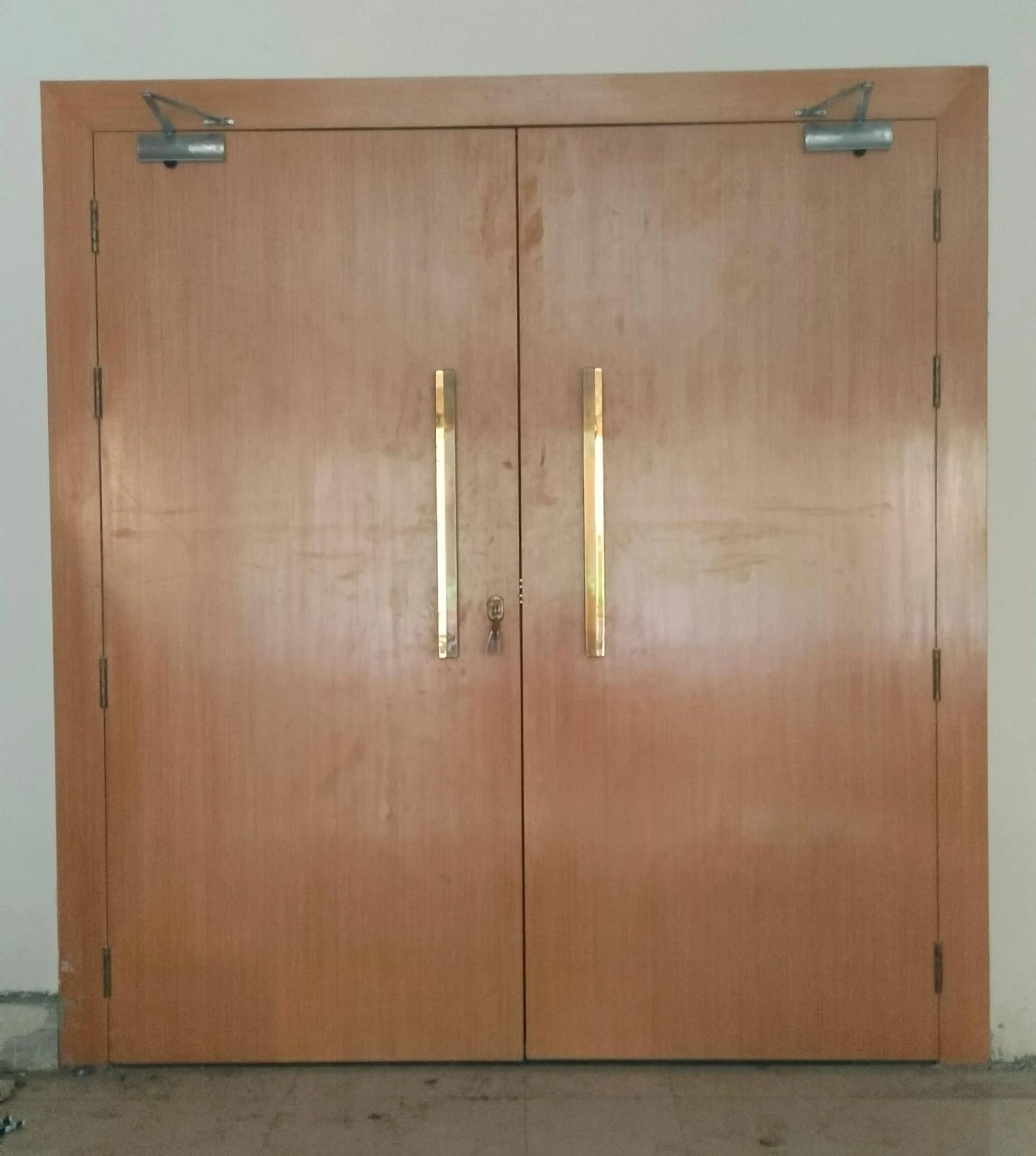

In today\'s bustling world, finding moments of peace and tranquility within our homes or workplaces is becoming increasingly challenging. However, one solution to mitigate noise disturbances is the installation of soundproof doors. These specialized doors are designed to minimize the transmission of sound, providing a quieter and more peaceful environment. Let\'s delve into the benefits of soundproof doors and why they are becoming a popular choice for both residential and commercial spaces.
Understanding Soundproof Doors
Soundproof door, also known as acoustic doors, are engineered to reduce the transmission of sound waves between rooms or from external sources. Unlike standard doors, which offer minimal sound insulation, soundproof doors incorporate specialized materials and construction techniques to dampen noise and create a quieter atmosphere.
Key Features of Soundproof Doors
Dense Construction
Soundproof doors are constructed using dense materials such as solid wood, composite materials, or metal. These dense materials help to block and absorb sound waves, preventing them from passing through the door.
Sealing Mechanisms
To further enhance sound insulation, soundproof doors often feature tight sealing mechanisms around the edges. This ensures a snug fit between the door and the door frame, minimizing the passage of sound.
Acoustic Panels
Some soundproof doors are equipped with acoustic panels or layers of sound-absorbing material within the door structure. These panels help to absorb sound waves, reducing reverberation and echo within a room.
Thickness
The thickness of a door also plays a crucial role in sound insulation. Thicker doors are generally more effective at blocking sound transmission than thinner ones, as they provide additional mass to absorb and block sound waves.
Benefits of Soundproof Doors
Noise Reduction
The primary benefit of soundproof doors is their ability to reduce noise levels within a room or building. By minimizing the transmission of sound, these doors create a quieter and more peaceful environment, conducive to relaxation, concentration, and productivity.
Privacy Enhancement
Soundproof doors also enhance privacy by preventing conversations or other sounds from being heard in adjacent rooms or spaces. This is particularly beneficial in offices, conference rooms, or residential settings where privacy is valued.
Improved Sleep Quality
In residential settings, soundproof doors can significantly improve sleep quality by reducing noise disturbances from external sources such as traffic, neighbors, or loud appliances.
Enhanced Comfort
By creating a quieter and more serene environment, soundproof doors contribute to overall comfort and well-being. They allow occupants to enjoy their living or working spaces without the intrusion of unwanted noise.
Applications of Soundproof Doors
Residential Settings
In homes, soundproof doors are often installed in bedrooms, home theaters, or home offices to create quiet and private spaces away from the hustle and bustle of daily life.
Commercial Spaces
In commercial settings such as offices, conference rooms, recording studios, or hotels, soundproof doors are used to minimize noise disruptions and enhance privacy for occupants and guests.
Educational Institutions
Schools, colleges, and universities utilize soundproof doors in classrooms, libraries, or lecture halls to create conducive learning environments free from external distractions.
Conclusion
Soundproof door offer a multitude of benefits, from reducing noise disturbances to enhancing privacy and comfort. Whether in residential, commercial, or educational settings, these specialized doors provide an effective solution for creating quiet and peaceful environments amidst the noise of modern life. As the demand for tranquility and privacy continues to grow, soundproof doors are becoming an increasingly essential feature in buildings worldwide.



























Sign in to leave a comment.