In today's digital age, where identity-related crimes and fraudulent activities continue to rise, safeguarding personal and confidential information has become paramount. Among the most sophisticated and effective solutions for enhancing identification document security is the implementation of holographic ID overlays. These state-of-the-art security measures are increasingly becoming essential for governmental bodies, businesses, and institutions seeking to protect against fake identification documents and unauthorized entry.
What are Holographic ID Overlays?
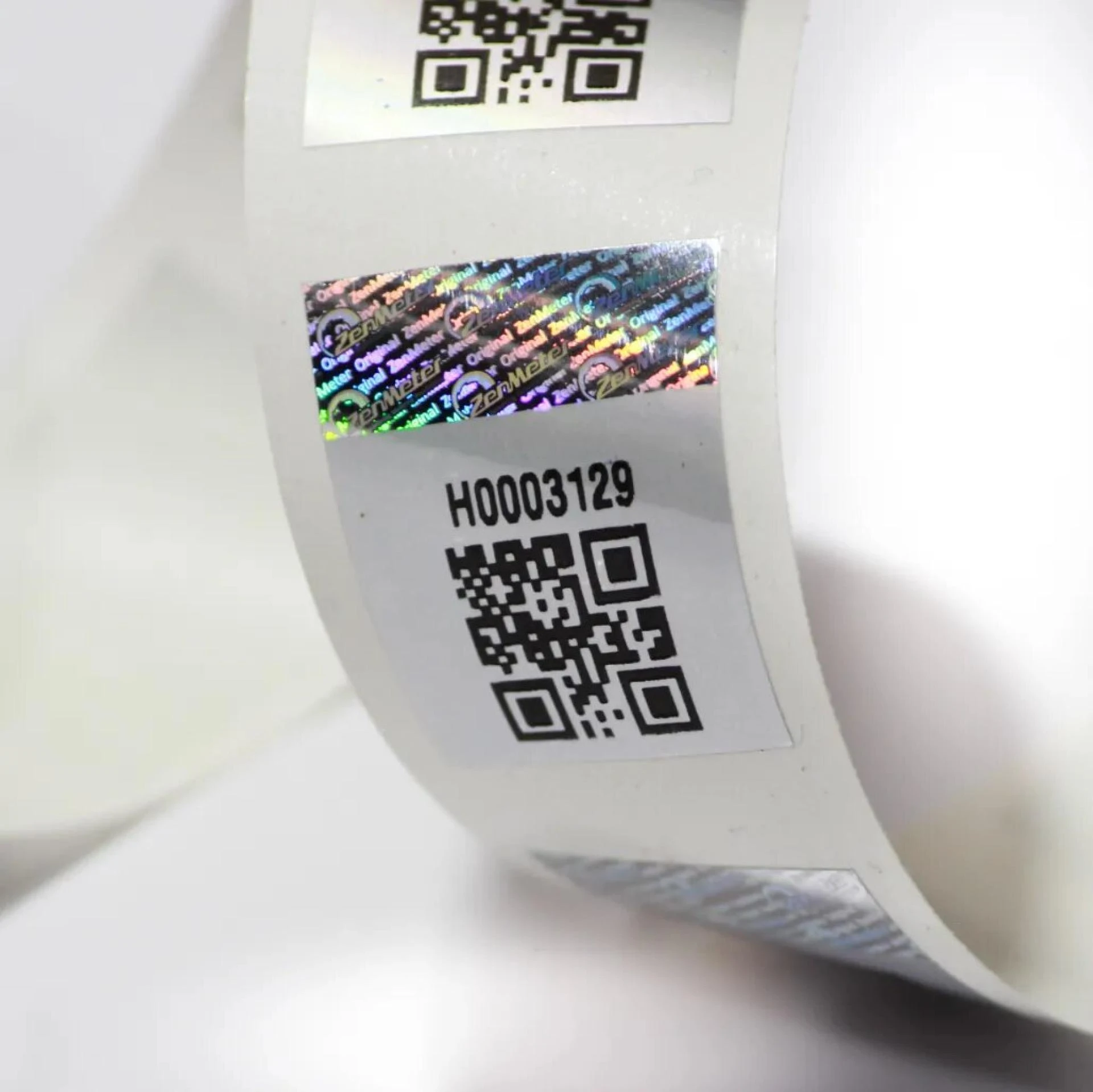
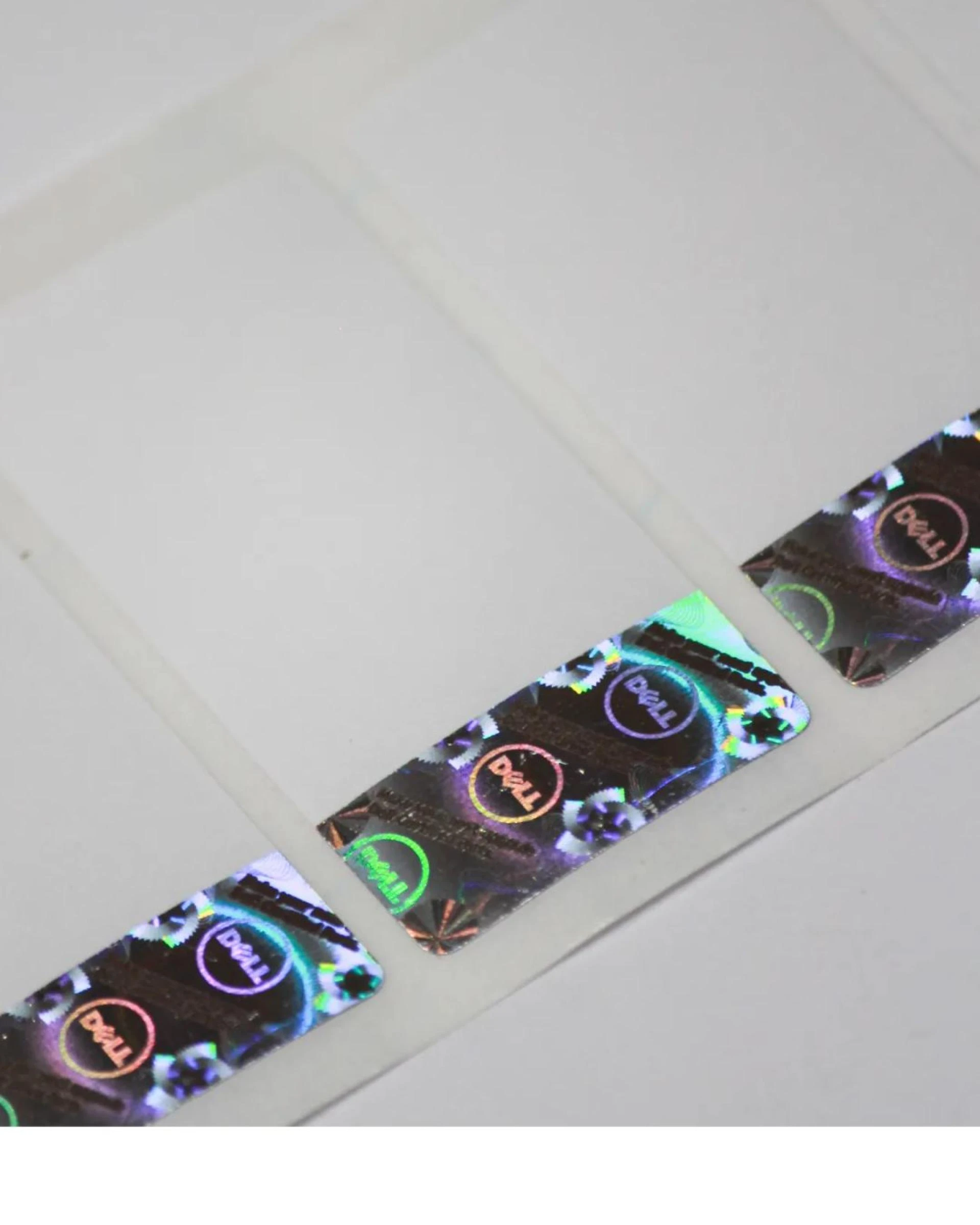
Holographic overlays consist of ultra-thin, see-through films containing sophisticated holographic patterns that are integrated into various identification documents, including ID cards, passports, and driving permits. These holographic elements not only create stunning visual effects but are engineered to be virtually impossible to duplicate, providing enhanced security for identification documents. The distinctive characteristic of these holograms is their ability to display different images when viewed from various angles, making them an effective countermeasure against forgery attempts.
The Benefits of Holographic ID Overlays
Unmatched Security: The fundamental advantage of incorporating holographic technology into identification documents lies in their exceptional security features. Unlike conventional printing methods, holographic elements are extraordinarily challenging to replicate, making it virtually impossible for counterfeiters to produce convincing fraudulent IDs.
Deterrence of Fraud: These overlays are engineered to be tamper-evident. Any attempt to remove or modify the hologram results in visible damage, immediately indicating that the document has been compromised. This feature serves as a clear signal to security personnel that the ID may be fraudulent.
Durability and Longevity: Holographic elements demonstrate remarkable resistance to everyday wear, ensuring long-term authenticity of identification documents. Compared to traditional printed features, holograms maintain their integrity over extended periods without significant degradation.
Enhanced User Experience: Beyond security benefits, holographic overlays add a premium aesthetic to identification cards. The captivating holographic effects create visually impressive documents, instilling confidence in both users and the issuing organizations.
Versatility and Customization: Organizations can customize holographic overlays with specific designs, emblems, or patterns unique to their identity. This flexibility enables tailored security solutions across various sectors, from government departments to financial institutions, educational facilities, and corporate entities.
Applications of Holographic ID Overlays
The implementation possibilities for holographic ID overlays extend far beyond conventional identification documents. These advanced security features can be integrated into numerous types of documentation, including:.
Passports and Travel Documents: Government agencies and border security organizations implement sophisticated holographic overlays to safeguard passports and travel visas against counterfeiting. These crucial documents incorporate multiple layers of security features, including specialized UV-reactive holograms, ensuring the authenticity of international travel documentation.
Driver's Licenses: Numerous states and nations have adopted advanced holographic overlay technology for driver's licenses, ensuring compliance with stringent international security protocols while effectively preventing unauthorized duplication.
Employee IDs and Access Cards: Modern organizations increasingly implement holographic overlay systems on their access control credentials to enhance security measures, ensuring that only properly authenticated personnel can access restricted zones.
Bank Cards and Payment Systems: In response to the digital payment revolution, financial institutions are incorporating sophisticated holographic overlays into their credit and debit cards, providing robust protection against fraudulent activities in the banking sector.
Future Trends: Beyond Security
As technological innovation continues to accelerate, holographic overlay capabilities are expected to expand significantly. Industry experts anticipate several groundbreaking developments, including:
Interactive Holograms: Next-generation holographic technology may incorporate dynamic interactive elements, enabling users to engage with identification documents in novel ways while adding sophisticated authentication mechanisms.
Integration with Biometrics: The convergence of holographic technology with biometric authentication systems, including fingerprint recognition, facial scanning, and iris verification, promises to create unprecedented levels of security in identification systems.
Smart Holograms: Advanced holographic solutions may incorporate embedded microchips capable of storing encrypted data and facilitating instantaneous verification through mobile applications and contactless authentication systems.
Conclusion
Holographic ID overlays represent far more than mere decorative elements—they embody the cutting edge of secure authentication technology. Their sophisticated security features, exceptional durability, and aesthetic appeal make them indispensable tools in the fight against fraud while enhancing both physical and digital security systems. As technological advancement continues, holographic overlays will undoubtedly play an increasingly crucial role in safeguarding personal information and maintaining the integrity of identification systems worldwide.



























Sign in to leave a comment.