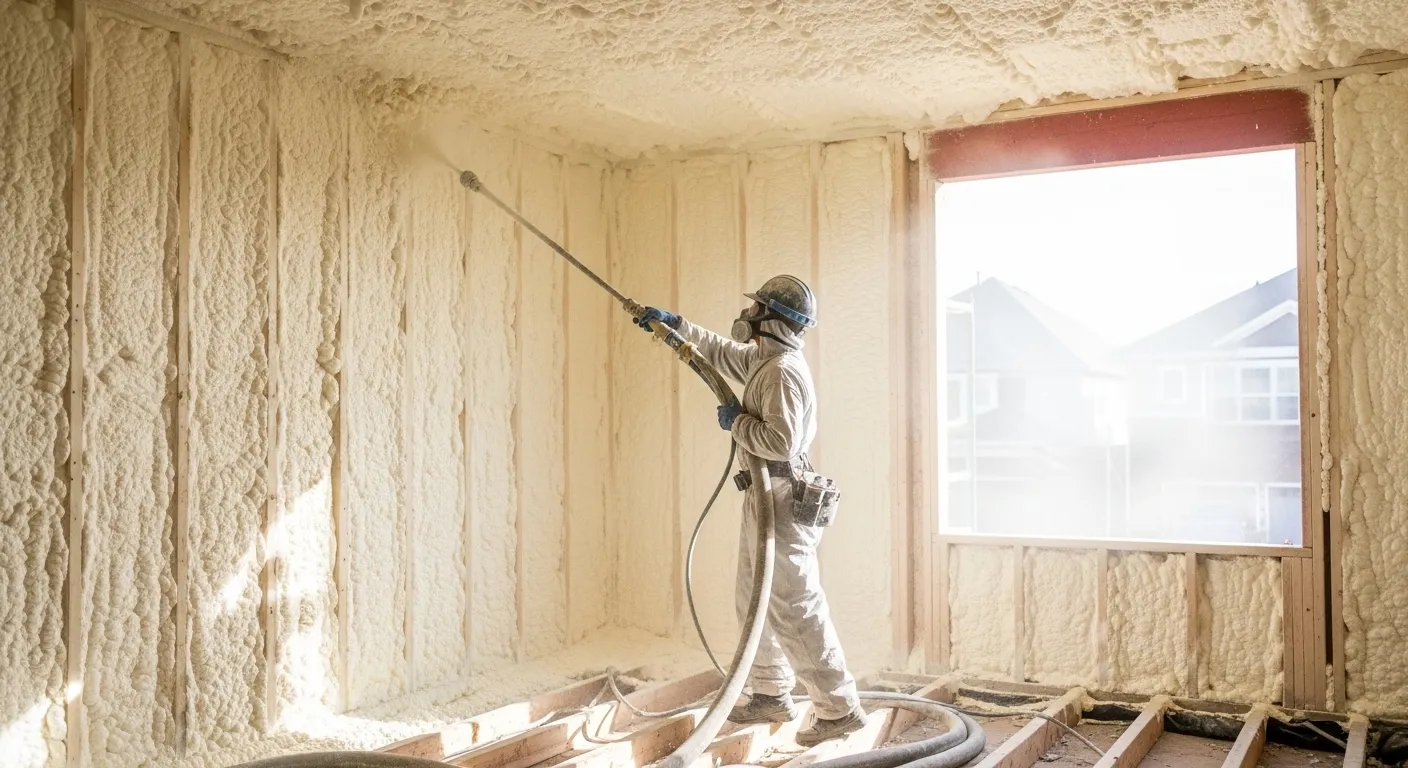

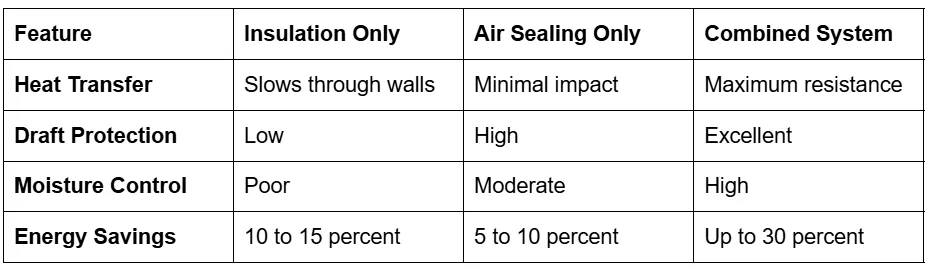
Air sealing and insulation work as a unified system to prevent heat loss and stop uncontrolled airflow in your home. While insulation slows the transfer of heat through materials, air sealing blocks the physical gaps where air escapes.
This guide explains why these two processes are inseparable for achieving a comfortable home. You will learn how to identify common leakage points and why professional expertise is necessary to get the best results in the Inland Northwest climate.
With years of experience in regional building science, experts know that installing high-quality insulation in Liberty Lake, ID, without first sealing air leaks is like wearing a heavy wool sweater on a windy day without a windbreaker. The cold air blows right through the fibers, making the insulation much less effective.
The Science of Building a Thermal Envelope
The thermal envelope is the barrier that keeps your heated or cooled air inside. In Liberty Lake, where winters are cold and summers are dry, this envelope must be tight to keep your energy bills low.
Insulation works by trapping tiny pockets of air to resist heat flow. However, most insulation materials, such as fiberglass or mineral wool, do not stop air movement. If your attic has gaps around pipes or light fixtures, warm air will rise and leak out, pulling cold air in from the basement or crawl space.
Air sealing involves using foams, caulk, and weatherstripping to plug these holes. When you combine this with the right R-value of insulation, you create a complete defense against the elements. This dual approach ensures your HVAC system does not have to work overtime to compensate for constant drafts.
- Air sealing stops "convective" heat loss (air movement).
- Insulation stops "conductive" heat loss (transfer through solids).
- Together, they maintain a stable indoor temperature.
- A sealed home prevents moisture from hitching a ride on air currents into your walls.
Common Sources of Air Leaks in Inland Northwest Homes
Many homeowners assume their windows are the primary source of drafts, but the biggest leaks are often hidden in the attic and crawl space. Because hot air rises, a phenomenon called the "stack effect" creates pressure that pushes air out of the top of your house.
In Liberty Lake, the temperature swings between seasons make these leaks more apparent. Small cracks around chimney flues, plumbing stacks, and recessed lighting can account for a massive amount of energy loss over a year.
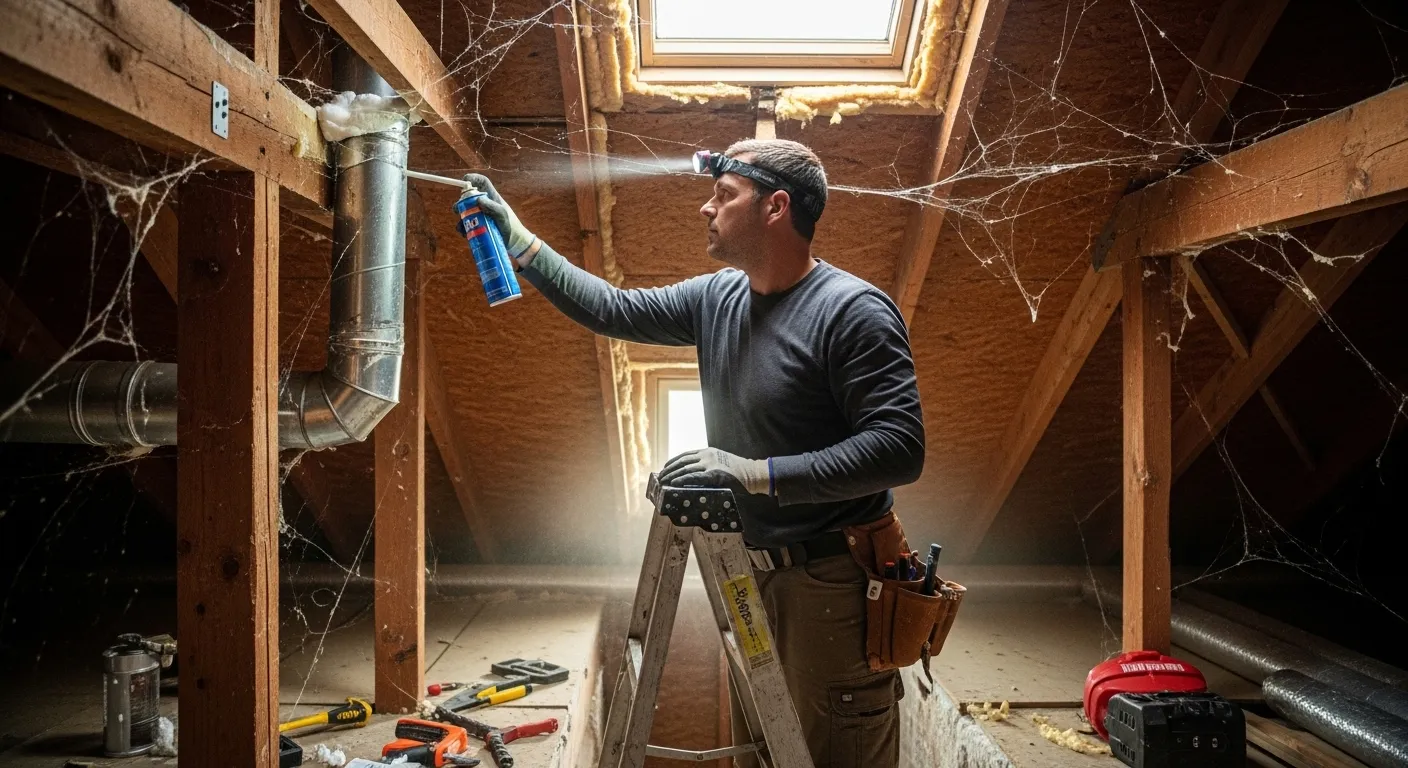
Bonus Tip: Check your attic hatch. This opening is often a giant hole in your thermal envelope. Installing a simple insulated box or weatherstripping around the door can make a noticeable difference in your upstairs comfort.
Why Air Sealing Must Come Before Insulation
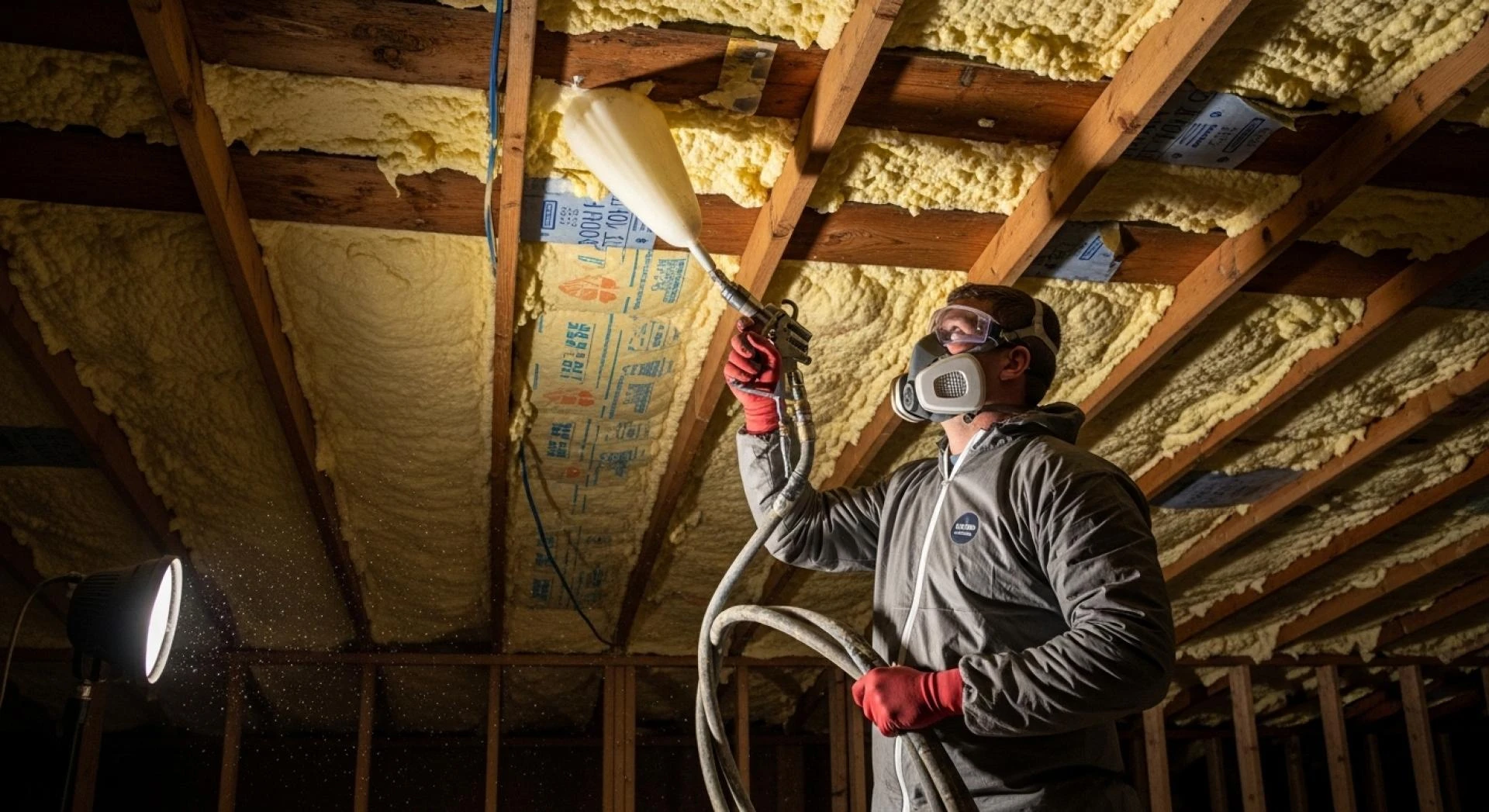
You should always seal gaps before adding new layers of blown-in or batt insulation. Once the insulation is in place, finding and reaching the actual holes in the wood framing becomes much more difficult.
If you skip this step, the insulation acts like a filter. It might catch dust and debris from the leaking air, but it won't stop the air itself. Over time, you may notice dark spots on your fiberglass batts, which is a sign that air is filtering through the material.
How Does Local Weather Affect Your Sealing Needs?
The Liberty Lake area experiences significant snow and freezing temperatures. When your attic is not sealed properly, warm air leaks into the attic space and melts the snow on your roof. This water then refreezes at the gutters, creating ice dams.
Ice dams can cause water to back up under your shingles, leading to expensive roof repairs and mold growth. By sealing the bypasses where heat escapes, you keep the roof deck cool and prevent this cycle from starting.
- Sealing prevents warm air from reaching the cold roof deck.
- Properly sealed crawl spaces protect pipes from freezing during cold snaps.
- Reducing air exchange helps keep indoor humidity at a healthy level during dry winters.
3 Important Areas to Air Seal for Energy Efficiency
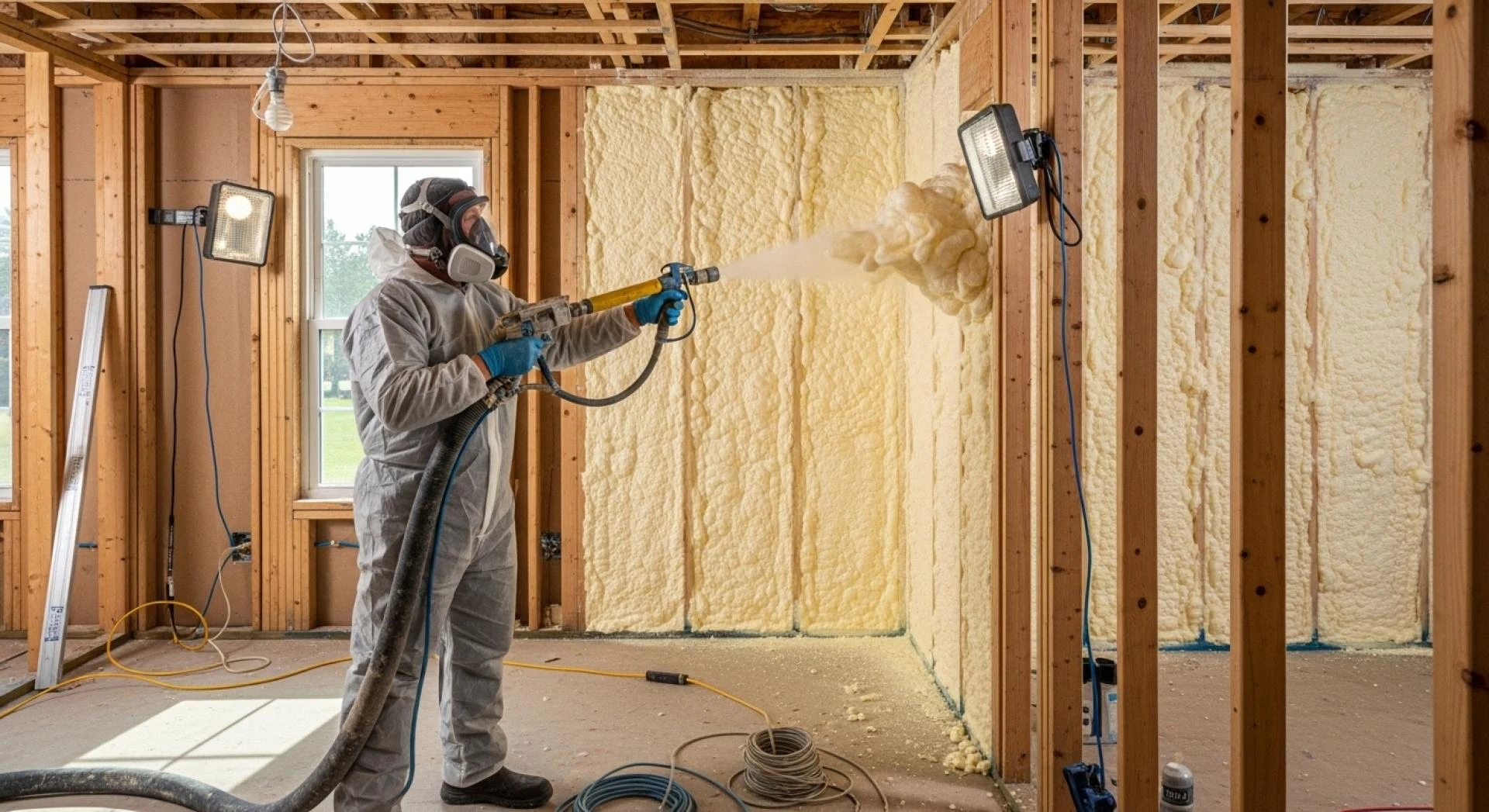
1. Attic Bypasses These are hidden gaps behind knee walls, under insulation, and where interior walls meet the attic floor. Experts use expanding foam to close these gaps permanently.
2. Rim Joists The area where your home's floor framing meets the foundation is a major source of air infiltration. Sealing these with closed-cell spray foam provides both a seal and high-quality insulation in one step.
3. Ductwork If your ducts run through unconditioned spaces like a crawl space or attic, they must be sealed. Leaky ducts can lose up to 20 percent of the air your furnace just spent money to heat.
Bonus Tip: Use a smoke pen or a simple stick of incense on a windy day to find leaks. Hold it near outlets and baseboards on exterior walls to see if the smoke wafts inward.
Is Professional Air Sealing Worth the Investment?
While some sealing tasks are DIY-friendly, such as weatherstripping a door, others require specialized equipment. Professionals use blower door tests to measure the airtightness of a building and infrared cameras to see exactly where heat is escaping.
Identifying the difference between "leaking" and "breathing" is vital. A house that is too tight without proper ventilation can suffer from poor air quality. Service providers like Selkirk Energy Solutions understand how to balance a tight seal with the necessary mechanical ventilation to keep your air fresh.
Factors to Evaluate Before You Start Your Project
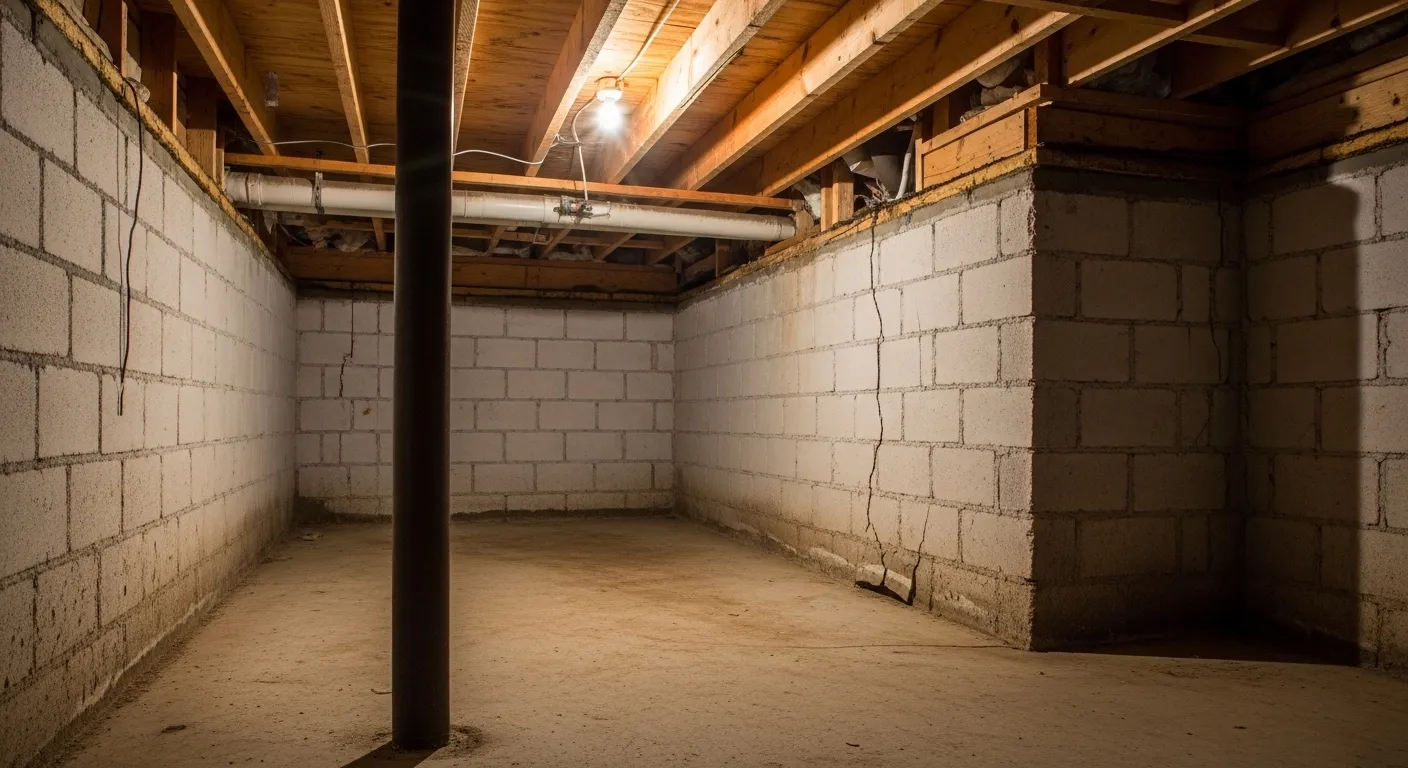
Before you commit to an insulation upgrade, consider the current state of your home's "shell." If you have existing mold or moisture issues, adding insulation or sealing air leaks might trap that moisture if not handled correctly.
Beyond structural integrity, safety, and hazardous material checks are also vital. Older homes in the Liberty Lake area often have unique framing styles that require different sealing techniques compared to modern builds. Checking for asbestos or old knob-and-tube wiring in the attic is a necessary safety step before disturbing old insulation.
- Assess your current energy bills to find a baseline for savings.
- Check for signs of pests that may have damaged old insulation.
- Determine if your attic has enough ventilation to prevent moisture buildup after sealing.
- Consider the long-term benefits of different materials like dense pack cellulose or spray foam.
Finding the Right Professional Support for Your Home
Achieving a high level of efficiency requires a plan that treats your home as a single, integrated system. By focusing on both air sealing and insulation, you protect your property from the harsh Idaho winters and the heat of the summer months.
If you are looking for ways to lower your utility costs and improve indoor comfort, reaching out to a local expert is a great first step. You can contact Selkirk Energy Solutions at (208) 295-9780 or email them at [email protected] to discuss your specific needs. They offer a wide range of services, including closed cell spray foam and crawl space encapsulation, to help you create a more efficient living space. Getting a free quote from a knowledgeable provider ensures that you invest in the right solutions for your home's unique layout and climate needs.
Common Questions About Air Sealing and Insulation
Will air sealing my home make it too stuffy or cause mold?
When done correctly by experts, air sealing reduces drafts but does not eliminate necessary ventilation. If a home becomes exceptionally tight, providers will recommend mechanical ventilation systems to ensure a constant supply of fresh air while maintaining efficiency.
How do I know if my attic needs air sealing?
If you have uneven temperatures between rooms, high energy bills, or notice ice dams in the winter, your attic likely has air leaks. Another sign is dirty-looking insulation, which indicates that it is acting as a filter for escaping air.
Can I just add more insulation without sealing the leaks?
You can, but it will be much less effective. Air will still move through the gaps and the insulation, carrying heat with it. Sealing the leaks first ensures that the R-value of your new insulation actually performs as rated.
What is the best material for air sealing?
It depends on the location. Caulk is great for small gaps around windows, while expanding spray foam is best for larger gaps in the attic or rim joists. For very large openings, rigid foam board or flashing might be used.
Is air sealing expensive to perform?
Air sealing is often one of the most cost-effective home improvements. Because it focuses on labor and small amounts of material to close gaps, the return on investment through lower energy bills usually happens much faster than other major renovations.



























Sign in to leave a comment.