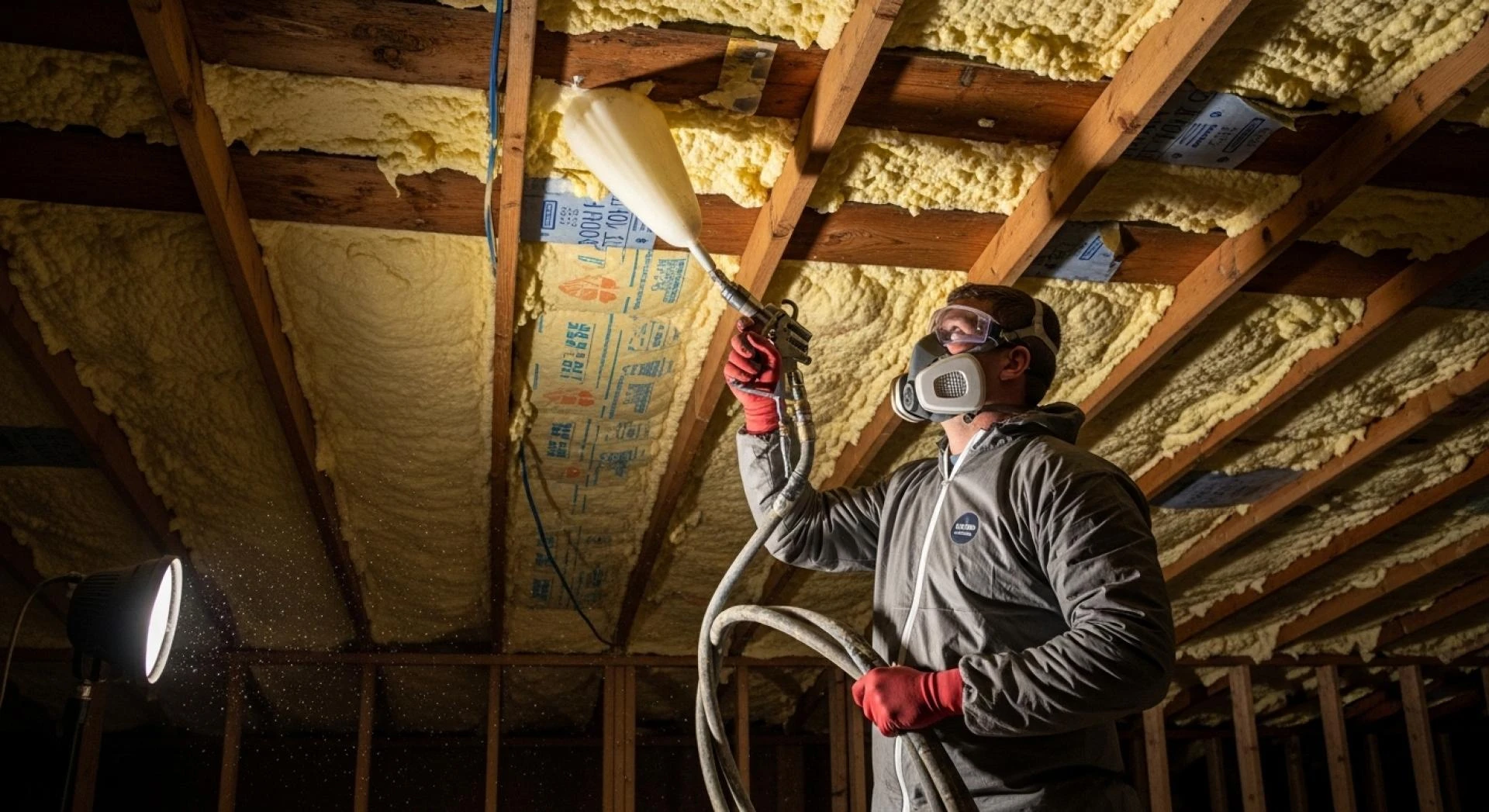

Spray foam insulation provides an efficient way to control temperature, reduce energy costs, and improve home comfort. Unlike traditional insulation, it expands to fill gaps, sealing air leaks and improving overall building performance. Homeowners can achieve long-term savings and improved indoor air quality when installed correctly by experienced professionals.
Understanding how Spray Foam Insulation works, its types, costs, and benefits is critical before committing to a project. This guide explains everything homeowners need to know, including practical tips and key considerations for selecting reliable spray foam insulation services.
With over a decade of experience in the field, experts know that the right installation can make a significant difference in efficiency, durability, and safety. Proper guidance ensures that homeowners invest wisely in insulation solutions.
Understanding Spray Foam Insulation
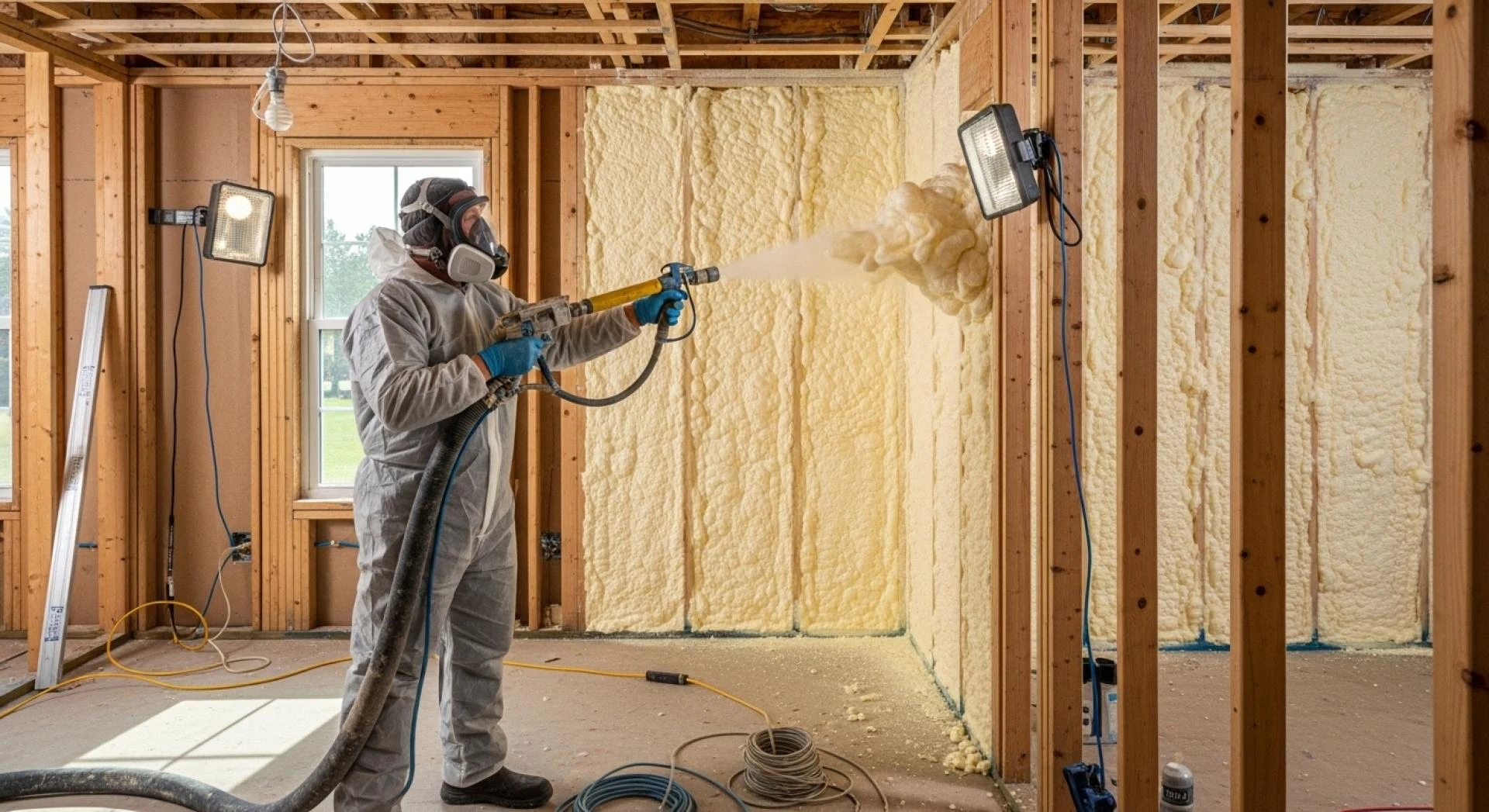
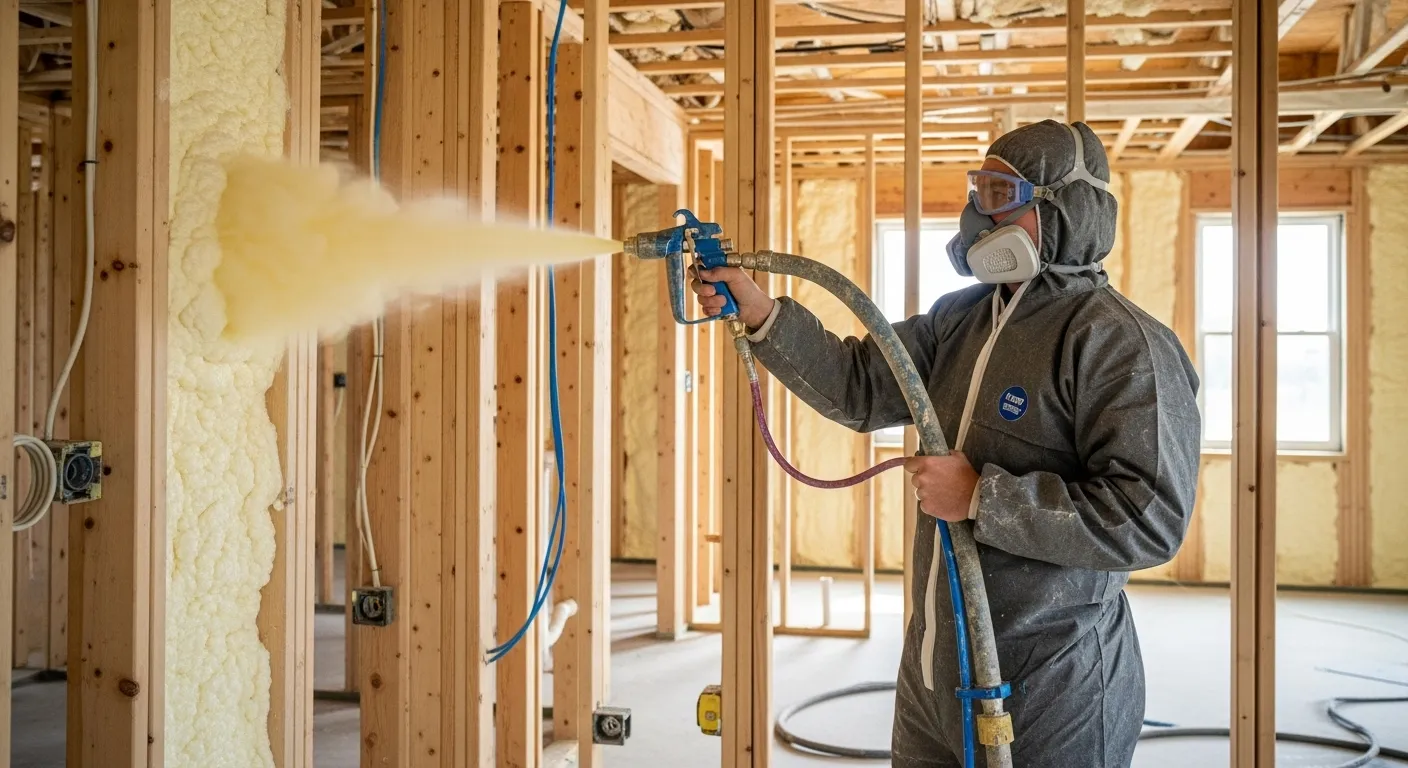
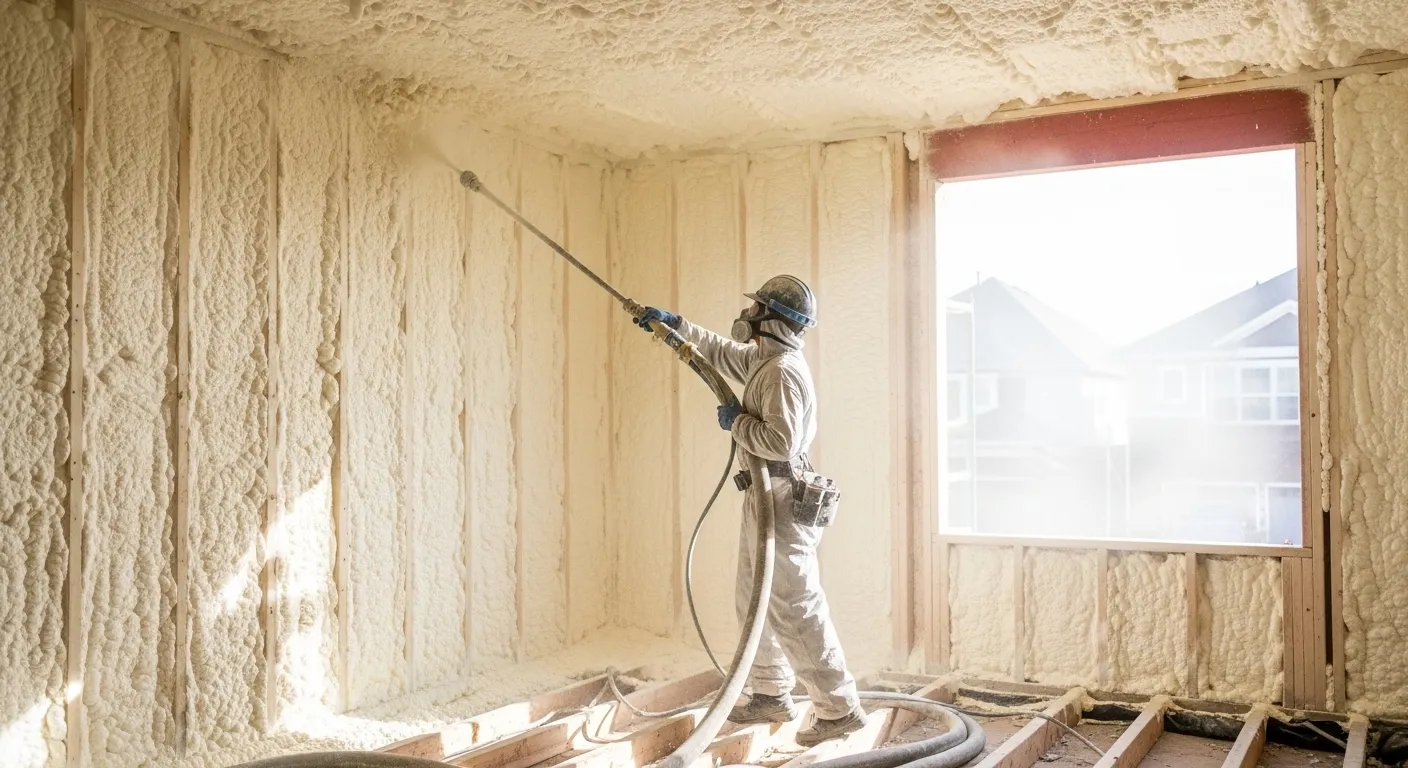
Spray foam insulation is a versatile material applied as a liquid that expands to fill cavities, cracks, and gaps. This creates a continuous barrier against heat loss, air infiltration, and moisture.
Types of Spray Foam Insulation
Homeowners should be aware of the two main types of spray foam:
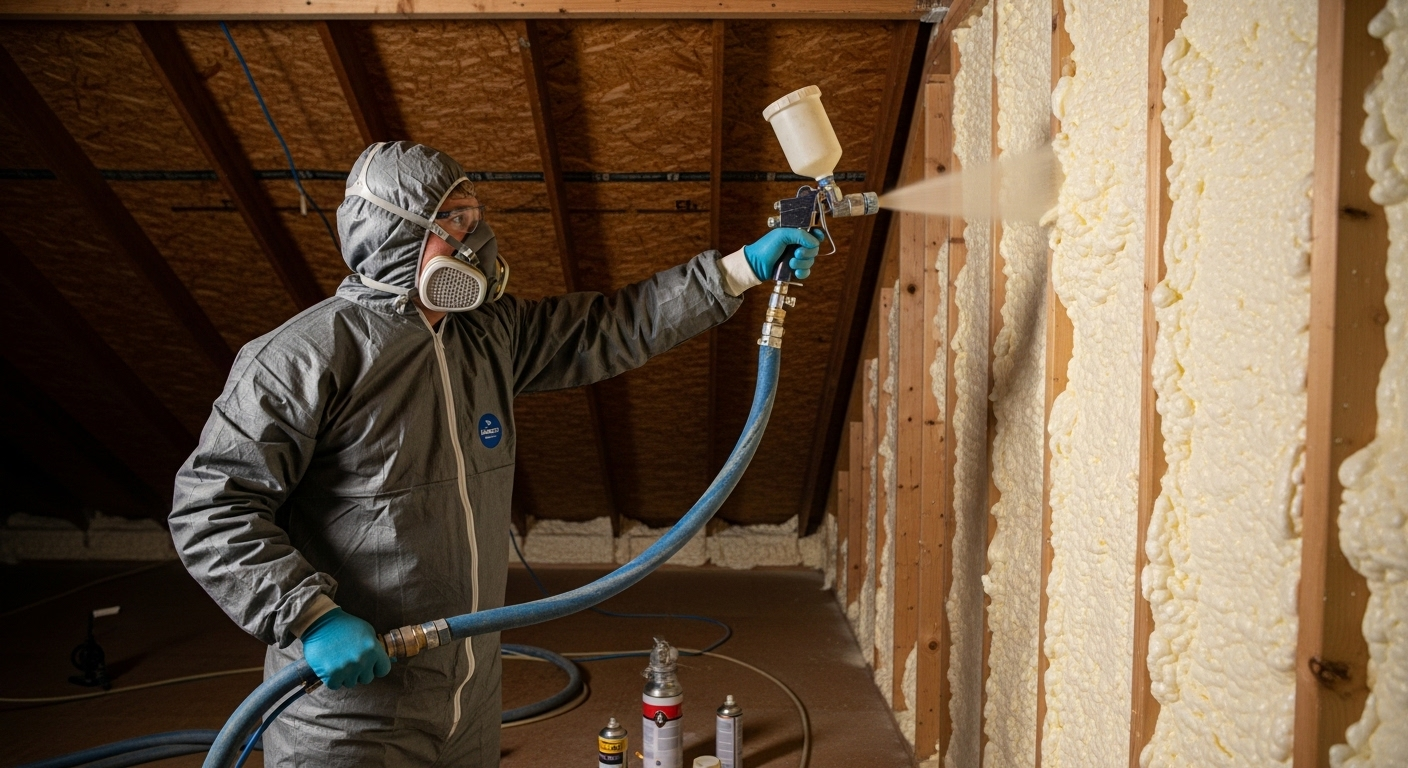
Open-Cell Spray Foam
- Soft and flexible
- Expands significantly to fill gaps
- Ideal for interior walls and ceilings
- Provides sound-dampening benefits
Closed-Cell Spray Foam
- Denser and rigid
- Higher insulation value per inch
- Acts as a moisture barrier
- Suitable for exterior walls, roofs, and basements
Bonus Tip: For homes in regions with high humidity, closed-cell foam can reduce the risk of mold growth by preventing moisture penetration.
Benefits of Spray Foam Insulation
Investing in spray foam insulation services offers both immediate and long-term advantages.
- Reduces energy bills by creating an airtight seal
- Improves comfort by maintaining consistent indoor temperature
- Minimizes noise from outside
- Enhances structural strength of walls and ceilings
- Reduces moisture and risk of mold growth
Comparison Table of Insulation Types
| Feature | Open-Cell Foam | Closed-Cell Foam | Fiberglass Insulation |
|---|---|---|---|
| R-Value per Inch | 3.5 – 3.6 | 6 – 7 | 2.2 – 3.8 |
| Air Barrier | Yes | Yes | No |
| Moisture Resistance | Low | High | Low |
| Soundproofing | High | Moderate | Low |
| Cost | Moderate | High | Low |
Bonus Tip: Combining closed-cell foam in exterior walls with open-cell in interior walls can optimize cost and performance.
Things to Consider Before Making a Decision
Choosing spray foam insulation experts requires careful consideration of multiple factors:
- Installation experience: Look for certified professionals familiar with different spray foam applications.
- Climate and environment: Homes in cold climates benefit from higher R-values, while humid regions need moisture-resistant solutions.
- Existing structure: Older homes may need preliminary repairs or air sealing before insulation.
- Budget: Costs vary by type, coverage area, and complexity of installation.
Bonus Tip: Request a detailed estimate that includes labor, materials, and cleanup to avoid surprises.
Cost Factors and Investment
Spray foam insulation can be more expensive upfront than fiberglass or cellulose, but energy savings often offset the initial cost. Factors influencing pricing include:
- Type of spray foam (open-cell vs. closed-cell)
- Square footage of the area
- Accessibility and preparation needs
- Regional labor rates
On average, homeowners spend between $1.50 and $3.00 per square foot for open-cell foam and $3.00 to $5.50 for closed-cell. Long-term energy savings typically reduce payback periods to 3–7 years depending on climate and energy costs.
Selecting Reliable Spray Foam Insulation Services
Working with trusted spray foam insulation experts ensures proper installation and maximizes performance. Homeowners should look for:
- Certified technicians with documented experience
- Positive reviews and references from previous projects
- Transparent estimates and clear communication
- Knowledge of regional building codes and insulation standards
Practical Steps to Evaluate a Contractor
- Ask about training, certifications, and safety measures
- Review before-and-after project photos
- Confirm warranty coverage and maintenance guidance
Bonus Tip: Avoid providers who offer prices that seem unusually low; proper spray foam installation requires skilled labor and quality materials.
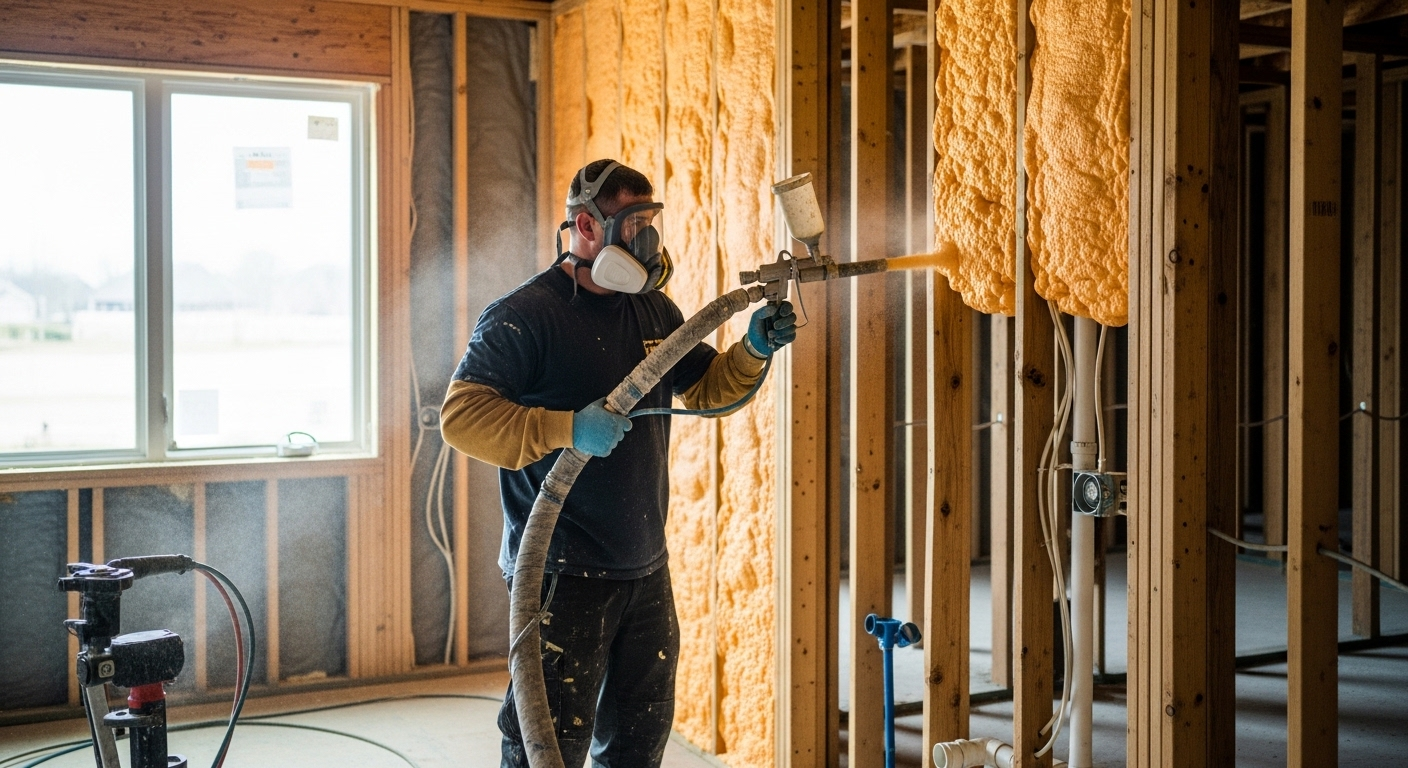
Regional Guidance
Climate significantly affects insulation performance. For example:
- Northern regions: Closed-cell foam offers superior heat retention in freezing winters.
- Humid southern regions: Proper ventilation combined with moisture-resistant foam prevents mold and moisture damage.
- Mixed climates: A combination of open- and closed-cell foam may balance cost and performance.
Additional Information: Local building codes may require R-values above minimum levels for new constructions. Working with knowledgeable experts ensures compliance.
Key Takeaways
Spray Foam Insulation offers superior thermal performance, moisture control, and comfort compared to traditional options. Homeowners should evaluate their climate, budget, and structural needs before deciding. Selecting experienced spray foam insulation experts ensures safety, efficiency, and long-term value.
Next Steps for Homeowners
For those considering spray foam insulation, contacting a reputable service provider is a practical step. Selkirk Energy Solutions offers knowledgeable guidance, professional installation, and region-specific recommendations. Homeowners can reach them via email at [email protected] or by phone at (208) 295-9780 to learn more about options and scheduling.
Questions People Ask About Spray Foam Insulation
What areas of a home benefit most from spray foam insulation?
Attics, exterior walls, basements, and crawl spaces gain the most efficiency. It fills gaps that standard insulation cannot reach.
Is spray foam insulation safe for indoor air quality?
When installed by certified experts, spray foam is safe. Proper ventilation during installation prevents exposure to fumes.
How long does spray foam insulation last?
Properly installed spray foam can last 20–30 years without significant degradation.
Can spray foam reduce noise?
Yes. Open-cell foam especially provides sound-dampening benefits by absorbing airborne noise.
Does spray foam increase home value?
Yes. Homes with effective insulation are more energy-efficient, comfortable, and appealing to buyers.
Reviewer: With 11 years in the spray foam field, Aiden Baker reviewed this content and provided advice on building steady growth through practical, honest communication.























Sign in to leave a comment.