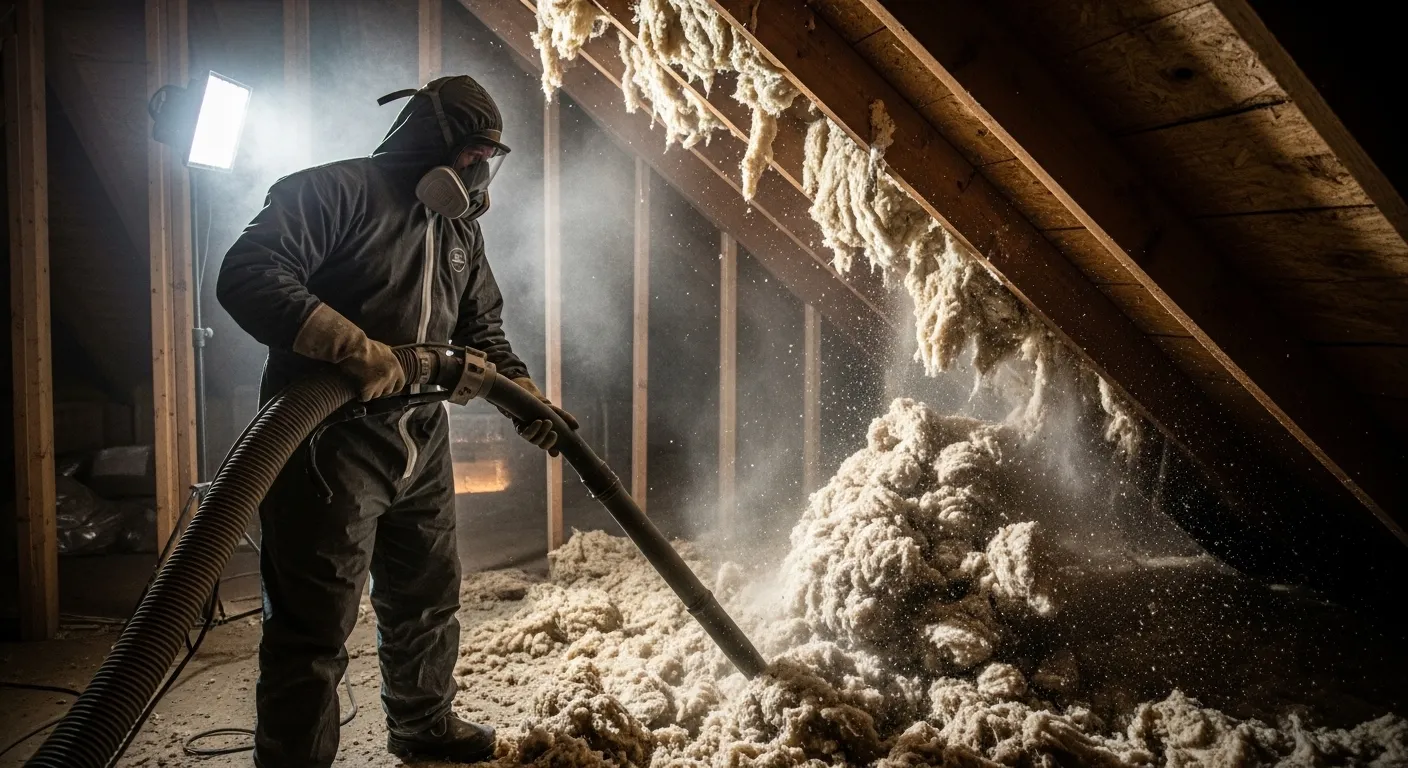

Homeowners should remove old insulation when it becomes compressed, moisture-damaged, or infested by pests, as these conditions permanently destroy its thermal effectiveness. If a home struggles to maintain a consistent temperature or if energy bills remain high despite modern HVAC systems, the existing attic or wall insulation has likely reached the end of its functional life. Professional insulation removal is also necessary when hazardous materials like asbestos are suspected or when mold growth is detected within the material.
Identifying these issues early prevents structural damage and ensures a healthy indoor environment. This guide covers the physical indicators of failing insulation, the impact of local climates on material longevity, and the practical steps needed to upgrade a home's thermal envelope. Industry experts emphasize that layering new material over damaged or contaminated insulation removal often traps moisture and accelerates wood rot in the ceiling joists or wall studs.
Physical Signs of Insulation Failure
Visual inspections often reveal the most obvious reasons to clear out old materials. Fiberglass batts that have turned dark or gray are usually filtering dusty air or harboring mold spores. When insulation looks dirty, it suggests that air is leaking through the house and passing through the material, which then acts like a giant furnace filter. This process clogs the fibers and reduces the R-value, which is the measure of how well the material resists heat flow.
Pest activity is another undeniable sign that it is time for a change. Rodents and insects often use soft insulation as nesting grounds, leaving behind droppings and urine that create odors and health risks. Even if the pests are gone, the pheromones left in the material can attract new infestations.
The Impact of Moisture and Mold
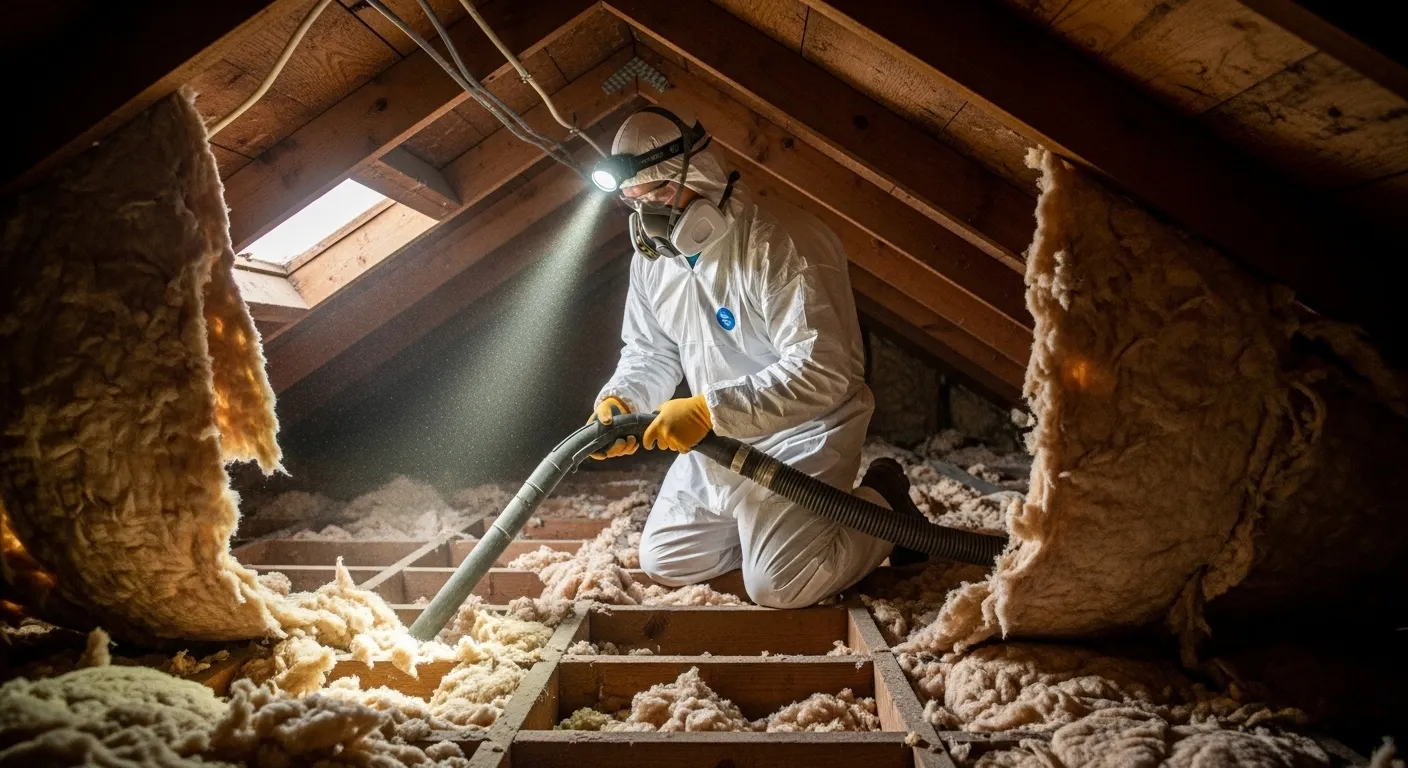
Moisture is the primary enemy of effective home insulation. Whether it comes from a roof leak, a burst pipe, or high humidity in a crawl space, wet insulation rarely recovers its original performance. For example, cellulose insulation can settle and clump when wet, while fiberglass loses its loft. Once the pockets of air that trap heat are gone, the material is useless.
Bonus Tip: Check the underside of the roof deck for dark stains or condensation. If moisture is dripping onto the attic floor, the insulation beneath those spots must be removed to prevent mold from spreading to the drywall below.
Mold growth within insulation presents a significant health concern. Because many insulation types are porous, mold can grow deep within the fibers where surface cleaning cannot reach it. In these cases, complete removal is the only way to ensure the home's air quality remains safe for the residents.
Performance Degradation and Age
Materials do not last forever. Older homes often contain wood shavings, balsam wool, or rock wool that has settled significantly over several decades. When the material height drops, it leaves gaps where heat escapes during the winter and enters during the summer.
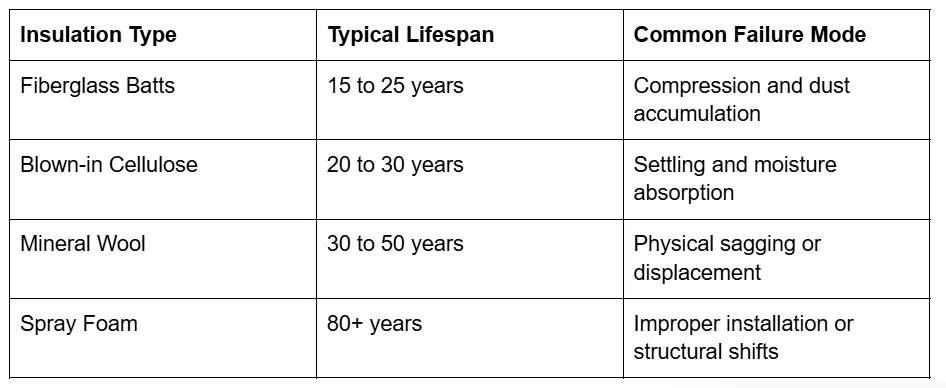
Market data suggests that homes with insulation older than 20 years often operate at 30% less efficiency than those with modern standards. Removing the old, ineffective layers allows for a clean start with materials like spray foam or dense pack cellulose that offer better air-sealing properties.
Regional Climate Considerations
In areas with high humidity or extreme temperature swings, insulation tends to wear out faster. While these issues are common in damp environments like the Pacific Northwest or Northern Idaho, any region with high moisture can experience hidden condensation within attic spaces. If the ventilation is poor, the insulation stays damp for months. Homeowners in these regions should look for "clumping" in blown-in materials, which indicates that moisture has compromised the fibers.
Bonus Tip: During the winter, look for ice dams on the roof. These are often caused by heat escaping through thin or damaged insulation, melting the snow above, which then refreezes at the gutters. This is a clear signal that the thermal barrier has failed.
Things to Consider Before Removing Insulation
Before starting a removal project, homeowners need to evaluate several factors to ensure the process is safe and effective.
- Hazardous Materials: Homes built before 1975 may contain vermiculite insulation, which sometimes contains asbestos. This requires professional testing and specialized abatement procedures.
- Electrical Safety: Old wiring, such as knob-and-tube systems, should not be covered by certain types of new insulation. Removal of the old material provides a chance to inspect the home's electrical health.
- Air Sealing Opportunities: Removing the old material exposes the "top plates" and wire penetrations in the attic floor. This is the only time a contractor can effectively seal these holes to stop air leakage.
- Structural Integrity: If the insulation is heavy with water or if there are signs of rot, the ceiling joists may need reinforcement before new material is added.
Why Professional Removal Matters
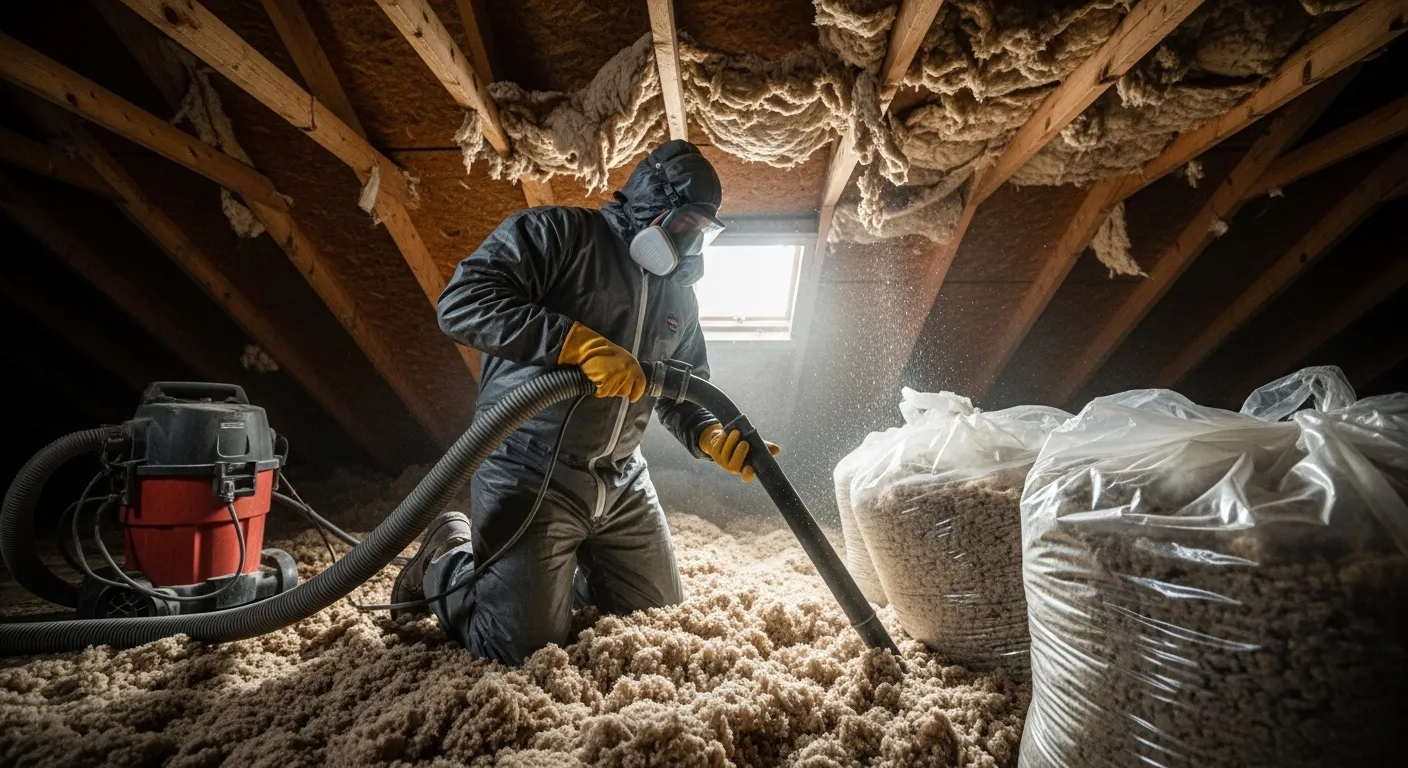
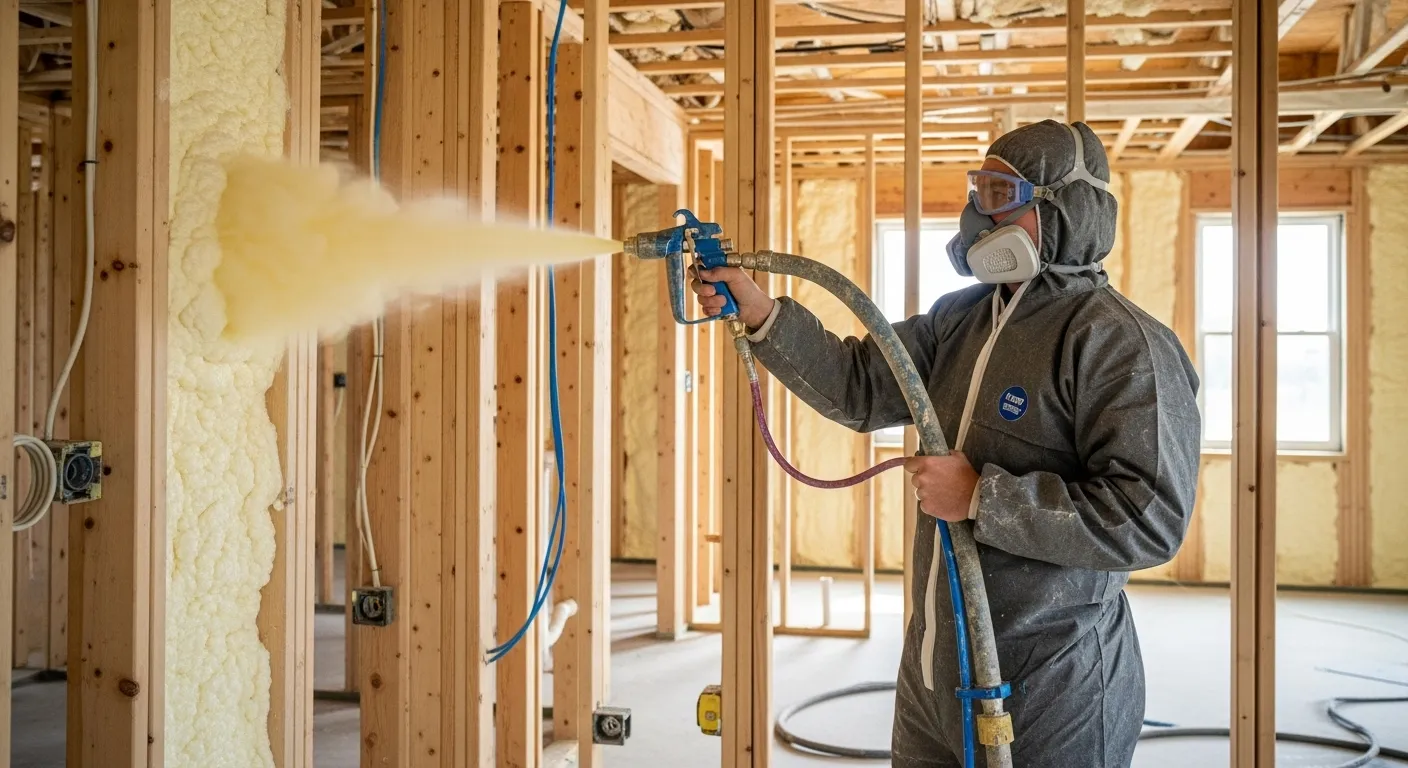
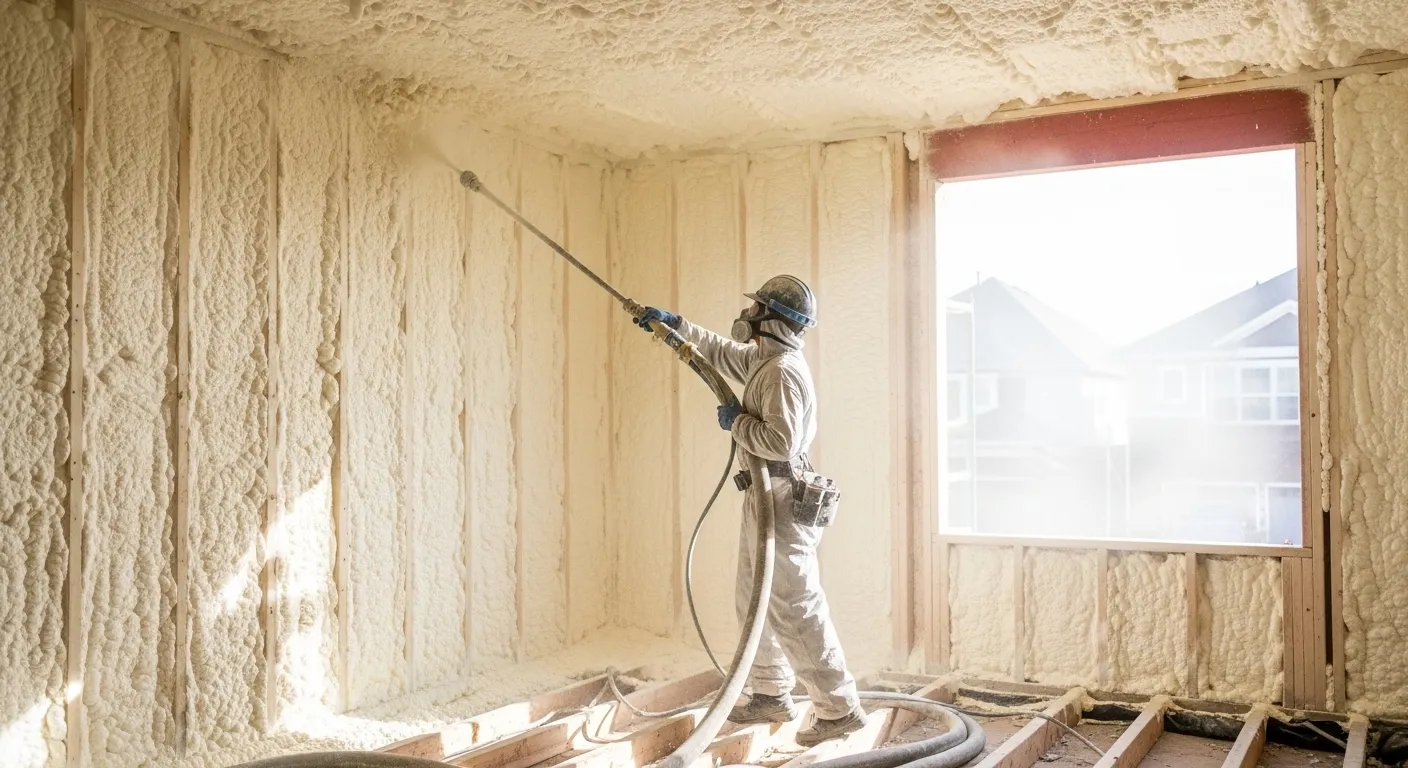
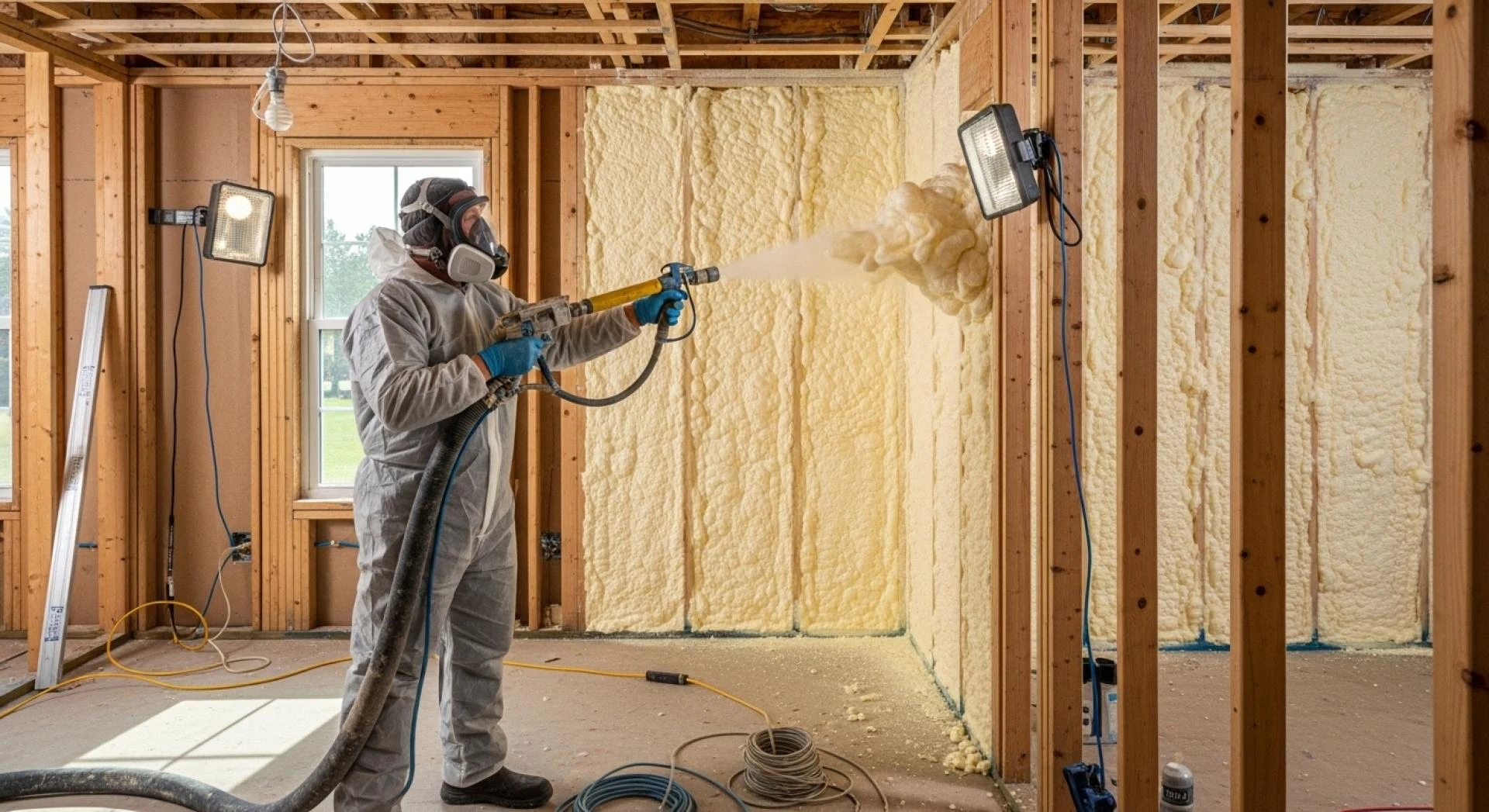
While some tasks are manageable for a weekend project, insulation removal involves handling skin irritants and breathing in fine particulates. Professionals use high-powered vacuum systems that pull the material directly into a filtered collection bag outside the home, which prevents dust and allergens from entering the living spaces. Beyond the safety of the cleanup, professional removal is a vital step toward better efficiency; building science reports indicate that nearly 40% of a home's energy loss occurs through the attic. By clearing out old, dusty, or flat insulation and replacing it with modern solutions like closed-cell spray foam, homeowners can significantly reduce these losses and lower their monthly utility costs.
Common Questions About Insulation Replacement
Can new insulation just be added on top of the old stuff?
If the old insulation is dry, clean, and free of pests, adding a new layer is often acceptable. However, if the old material is compressed or moldy, adding more on top just hides the problem and reduces the efficiency of the new product.
How long does the removal process take?
For an average-sized attic, professional removal usually takes one day. This includes the setup of protective barriers, the vacuuming process, and a final cleanup to ensure no debris remains.
Does removing old insulation help with allergies?
Yes. Old insulation often holds onto years of dust, pollen, and pet dander. It can also contain rodent waste. Removing these materials significantly improves the indoor air quality and reduces the load on the home's HVAC filters.
What should be done after the insulation is gone?
Once the space is empty, it is the best time to perform air sealing. This involves using foam or caulk to plug holes where pipes and wires go through the ceiling. Afterward, new insulation can be installed to the recommended R-value for the local climate.
Summary of Key Signs for Removal
Homeowners should monitor their attics and crawl spaces for flattening materials, dark discoloration, and signs of animal nesting. High energy bills and inconsistent room temperatures are often the first indicators that the invisible barrier in the walls or ceiling is no longer doing its job. Evaluating these signs carefully ensures that a home remains comfortable and efficient. When these issues appear, clearing out the old debris is the most effective way to prepare for a modern, high-performance insulation upgrade.
Expert Assistance for Home Efficiency
When it comes to managing residential or commercial insulation needs, working with a specialist ensures the job is done safely. Selkirk Energy Solutions provides a wide range of services, including crawl space encapsulation and the installation of open or closed cell spray foam. They handle complex tasks like dense pack cellulose and agricultural insulation for various building types. For those in need of professional assessment or removal services, they can reach at (208) 295-9780 or via email at [email protected]. Reaching out to their team is a helpful first step in restoring a building's thermal performance and improving overall indoor air quality.

























Sign in to leave a comment.