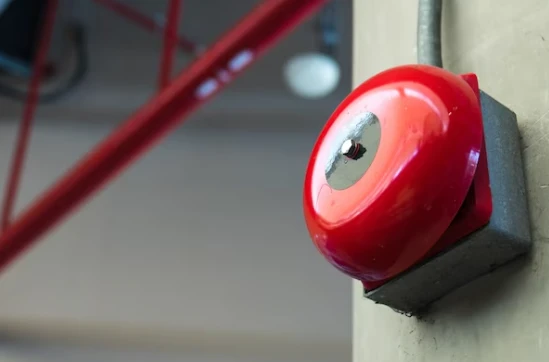

Introduction:
Fire alarms are the unsung heroes of fire safety, serving as the first line of defense against the devastation of fires. Properly installed fire alarms play a crucial role in detecting fires at their earliest stages, providing occupants with valuable time to evacuate safely and minimizing property damage. In this user-friendly blog, we'll delve into the importance of proper fire alarm installation, how it contributes to early detection, and essential considerations for ensuring optimal fire safety in any environment.
Understanding the Importance of Early Detection:
Early detection is paramount in fire safety, as it allows for swift action to be taken to extinguish the fire or evacuate occupants before it escalates into a major catastrophe. Here's why early detection matters:
Saving Lives:
The primary goal of fire alarms is to alert occupants to the presence of fire and facilitate their safe evacuation from the building. Early detection gives people the time they need to exit the premises and reach a place of safety, potentially saving lives in the process.Minimizing Property Damage:
In addition to saving lives, early detection helps minimize property damage by alerting occupants and emergency responders to the presence of fire before it can spread and cause extensive destruction. Swift intervention reduces the size and severity of the fire, limiting its impact on the building and its contents.Facilitating Prompt Intervention:
Early detection enables emergency responders to intervene promptly and effectively to extinguish the fire or implement other mitigation measures. By detecting fires in their incipient stages, fire alarms help ensure that firefighters can respond quickly and prevent the situation from worsening.The Role of Proper Fire Alarm Installation:
Proper fire alarm installation is essential for ensuring reliable detection and early warning of fires. Here's how it contributes to effective fire safety:
Strategic Placement:
Fire alarms should be strategically placed throughout the building to provide maximum coverage and early detection of fires. Install alarms in key locations, including hallways, stairwells, bedrooms, and common areas, to ensure that occupants can hear the alarm from any part of the building.Adequate Coverage:
Ensure that all areas of the building are adequately covered by fire alarms, including remote or hard-to-reach areas such as attics, basements, and storage rooms. Consider the size and layout of the building when determining the number and placement of alarms needed to provide comprehensive coverage.Compliance with Regulations:
Follow local building codes, regulations, and standards when installing fire alarms to ensure compliance with fire safety requirements. Work with qualified professionals who are familiar with local codes and can help design and install a system that meets regulatory requirements.Proper Installation Techniques:
Fire alarms should be installed securely and according to manufacturer guidelines to ensure proper operation. Use appropriate mounting hardware and techniques to secure alarms to walls or ceilings, and test each alarm after installation to verify functionality.Considerations for Proper Fire Alarm Installation:
Type of Fire Alarm:
Choose the appropriate type of fire alarm for the specific needs and hazards of the building. Consider factors such as the type of occupancy, potential fire risks, and environmental conditions when selecting smoke detectors, heat detectors, or combination alarms.Power Source:
Select fire alarms with reliable power sources, such as hardwired connections to the building's electrical system or battery backups in case of power outages. Ensure that battery-powered alarms have fresh batteries installed and test them regularly to ensure proper functioning.Interconnection:
Consider interconnecting fire alarms throughout the building to provide synchronized warning signals and ensure that all occupants are alerted simultaneously in the event of a fire. Interconnected alarms allow for faster detection and evacuation, enhancing overall fire safety.Integration with Building Systems:
Integrate fire alarms with other building systems, such as sprinklers, emergency lighting, and security systems, to enhance overall fire safety and response capabilities. Coordination between different systems allows for a more comprehensive and effective approach to fire protection.Conclusion:
Proper fire alarm installation is essential for ensuring early detection of fires and facilitating prompt evacuation and intervention. By strategically placing alarms, providing adequate coverage, and following regulations and best practices, building owners and occupants can enhance fire safety and minimize the risk of fire-related injuries and property damage. Remember, fire safety is a shared responsibility, and everyone has a role to play in ensuring that fire alarms are properly installed, maintained, and ready to respond when needed. Together, we can create safer environments and protect lives and property from the devastating effects of fires.



























Sign in to leave a comment.