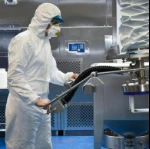

In today’s pharmaceutical and healthcare manufacturing environment, patient safety and operator protection remain top priorities. Companies are under increasing regulatory pressure to ensure their products are free from contamination while also safeguarding employees from exposure to potentially hazardous compounds. This is where Sterility Validation and OEL Testing play a vital role.
What is Sterility Validation?
Sterility validation is the process of proving that equipment, systems, and processes consistently prevent microbial contamination. It is not just a regulatory checkbox but a foundation of patient safety. Typically, sterility validation includes:
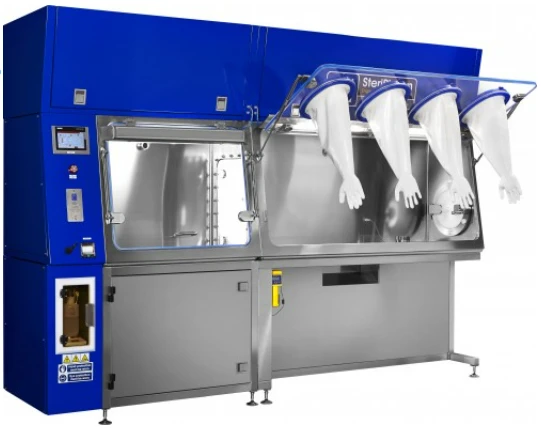
- Isolator and equipment qualification – Testing isolators, valves, and chambers for their ability to maintain sterile environments.
- Filter integrity testing – Ensuring that sterilizing-grade filters perform reliably.
- Leak testing – Confirming there are no breaches in the containment system.
- Regulatory compliance – Aligning with pharmacopeial standards such as USP, EP, and ISO guidelines.
These tests collectively build confidence that critical pharmaceutical processes, such as aseptic filling, packaging, and sterile compounding, can consistently meet sterility requirements.
What is OEL Testing?
OEL (Occupational Exposure Limit) Testing measures the containment capability of equipment to ensure workers are not exposed to hazardous active pharmaceutical ingredients (APIs). For high-potency compounds, even trace exposure can be harmful, making robust OEL validation essential. Key aspects include:
- Containment performance – Measuring airborne concentration levels during operation.
- Risk assessment – Identifying potential leakage points in isolators and transfer systems.
- Employee safety – Protecting operators by ensuring exposure levels are well below international OEL thresholds.
By combining sterility validation with OEL testing, manufacturers achieve both product safety and workplace safety.
Why Are These Tests Important?
- Patient Protection – Prevents microbial contamination in sterile products.
- Operator Safety – Reduces the risk of occupational exposure to harmful APIs.
- Regulatory Compliance – Meets stringent FDA, EMA, and other global authority requirements.
- Operational Efficiency – Validated systems minimize downtime and reduce the risk of costly recalls.
Industry Advancements
In recent years, the industry has seen advancements such as:
- Rapid sterility testing methods – Reducing sterility test time from 14 days to as little as 4 days, accelerating product release.
- Improved isolator technology – Offering better containment and sterility assurance.
- Automated monitoring systems – Providing real-time data on particulate and microbial levels.
How AutoMed Systems Supports Sterility & OEL Validation
AutoMed Systems provides specialized Sterility Validation and OEL Testing services to pharmaceutical and biotech companies. Their expertise covers:
- Qualification of isolators, valves, and containment systems.
- End-to-end sterility assurance programs.
- OEL validation to confirm safe handling of high-potency compounds.
- Compliance with global regulatory requirements.
With a focus on both patient safety and operator protection, AutoMed ensures that sterile environments remain uncompromised while workplace exposure risks are minimized.
Final Thoughts
Sterility validation and OEL testing are no longer optional - they are essential components of modern pharmaceutical manufacturing. By partnering with experts like AutoMed Systems, companies can achieve regulatory compliance, safeguard their workforce, and ensure patients receive safe, contamination-free medicines.

























Sign in to leave a comment.