
Introduction
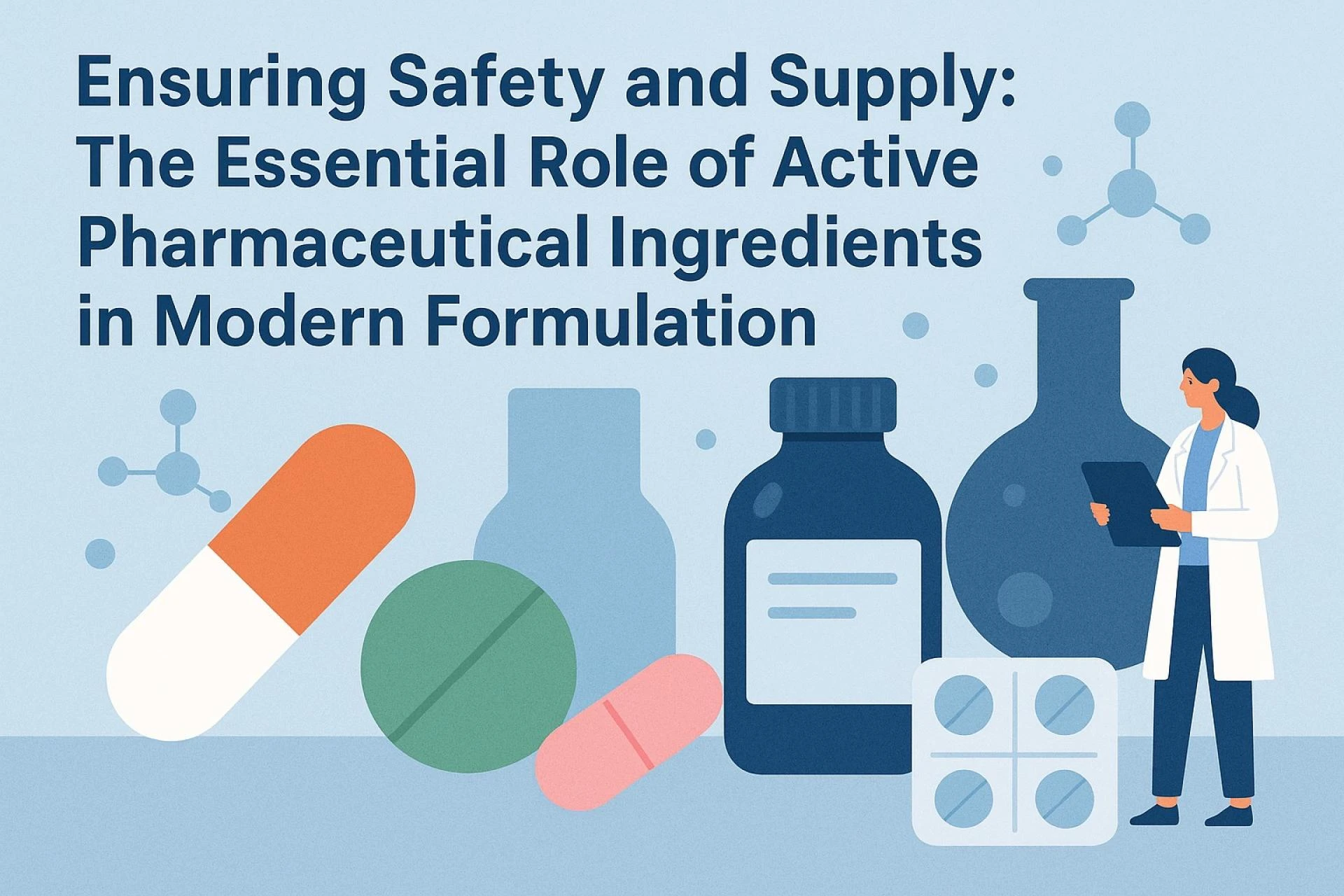
Active pharmaceutical ingredients (APIs) are the cornerstone of modern medicine. They are the primary therapeutic constituents of any drug and directly influence its safety, efficacy, and stability. With the global API market estimated to exceed $250 billion, ensuring the integrity and reliability of these critical raw materials has never been more important. Regulatory bodies, healthcare facilities, and pharmaceutical supply companies are increasingly recognizing the urgent need to safeguard APIs from tampering, poor quality, and supply chain disruptions.
Defining the Role of Active Pharmaceutical Ingredients
An active pharmaceutical ingredient (API) is a pharmaceutical ingredient that is biologically active in a drug product. APIs, as opposed to excipients, determine the pharmacological effect of the medicine. APIs, irrespective of whether they are formed or produced during a biotechnological process, need to be of high purity, identity, and potency before being formulated and distributed.
Regulatory Frameworks and Quality Standards
To safeguard citizens, international agencies have developed effective systems for manufacturing API. The Good Manufacturing Practices (GMP) required by the World Health Organization (WHO) and the U.S. Food and Drug Administration (FDA) are aimed at controlling facilities, proving processes, and tracking and recording impurities.
Not doing so during the production of API has had an adverse history, with the substitution of industrial-grade stocks with pharmaceutical-grade APIs leading to the contamination of medicine and loss of life. Such incidents show why the medical supply chain is supposed to be closely monitored and suppliers carefully audited.
Market Growth and Supply Chain Shifts
The demand for active pharmaceutical ingredients (APIs) is increasing faster owing to:
- Growth in the prevalence of chronic diseases
- The rise in biologics and specialty medicines
Further growth of the market has been predicted as a majority of manufacturers invest in regional production of APIs to diminish dependence on concentrated sources of supply.
This is both a possibility and an obligation for medical supply organizations. Geopolitical and logistical risks will be minimized, which will be necessary to ensure the steady supply of APIs and reduce risks related to location while increasing regional competition.
The Role of Excipients in Supporting APIs
Although APIs mediate therapeutic effect, excipients dictate the efficacy of the medicine in delivering that effect. Excipients influence bioavailability, patient tolerability, stability, and solubility.
When including excipients and APIs in formulations, one must consider:
- Compatibility of formulations
- Pharmacopoeia standards
- Quality assurance compliance
To maintain quality and compliance, both APIs and excipients must be GMP-compliant and regularly audited.
Sustainability and Environmental Compliance
Modern API production is also under examination regarding sustainability. Chemical processes often require significant power and generate toxic wastes.
Manufacturers are becoming greener and more responsible through:
- Green chemistry approaches
- Solvent recovery systems
- Emission-reduction schemes
Buyers of APIs now evaluate the environmental performance of vendors as part of due diligence, reducing long-term risks and aligning with growing citizen demands for sustainability.
Practical Strategies for Medical Supply Companies
Stakeholders must coordinate efforts to address API quality issues and ensure supply chain resilience. Key strategies include:
- Ensuring all batches are pharmaceutically certified, supported by third-party inspection
- Using pharmacopoeia reference standards to guarantee reliable, reproducible laboratory tests
- Conducting regular supplier audits under international GMP
- Expanding supplier networks and production locations to improve disaster resistance
- Incorporating sustainability in procurement policies to align with emerging trends
Implementing these strategies strengthens regulatory compliance and ensures patients receive safer, more dependable medicines.
Conclusion
Modern medicine revolves around active pharmaceutical ingredients. Ensuring their quality is not only the responsibility of regulatory authorities but also a moral duty, as inconsistencies can compromise patient safety and trust in healthcare systems.
Medical supply organizations that prioritize transparency, sustainability, and reliability will gain a competitive and ethical advantage in the expanding API market.
These are the APIs of the future: safe, effective, and readily available. Stakeholders aligning their strategies with these principles will secure strong positions in the evolving global pharmaceutical market.
Author Bio
James Hammer is a dedicated health and fitness blogger who writes to empower readers to live healthier, stronger lives especially as they age. His content covers a wide range of topics, including smart fitness after 40, joint health, nutrition, supplements, mental wellness, and emerging health trends. With a passion for research and clear communication, James breaks down complex topics into actionable tips that help his readers feel better, move smarter, and age with confidence.




























Sign in to leave a comment.