

In 2026, data is no longer just something businesses collect. It is something they must use wisely to survive and grow. Every department, from marketing to finance to customer service, depends on data to make faster and smarter decisions.
But here is the problem. Most companies still struggle to manage their data properly. They collect huge amounts of it, but it stays scattered across tools, cloud platforms, and departments. Some data is outdated. Some is incorrect. Some is not even accessible when teams need it.
This is why enterprise data strategy matters more than ever in 2026. A strong data strategy helps companies stay organized, secure, and ready for the future.
In this blog, we will explore the biggest trends shaping enterprise data strategy, the challenges companies face, and practical solutions that work.
What Is an Enterprise Data Strategy?
An enterprise data strategy is a clear plan for how a company collects, stores, manages, shares, and uses data.
It is not just an IT project. It is a business plan that connects data with real goals like increasing revenue, improving customer experience, cutting costs, and reducing risks.
A good enterprise data strategy answers important questions like:
What data should we collect?
Not all data is useful. A strategy helps focus only on what matters.
Where should the data be stored?
It ensures data is stored safely and can be accessed quickly.
Who can use the data?
It sets rules for access, privacy, and responsibility.
How will data support business decisions?
It ensures data is turned into insights that teams can act on.
Why Enterprise Data Strategy Matters More in 2026
Companies in 2026 face stronger competition, faster customer expectations, and growing data privacy laws. At the same time, many businesses are using AI tools that depend on clean and well structured data.
Without a solid strategy, data becomes a burden instead of an advantage.
A modern enterprise data strategy helps businesses:
Improve decision making
Teams stop guessing and start acting based on real facts.
Support AI and automation
AI systems fail when data is messy or incomplete.
Protect sensitive information
Cyber risks are rising, and businesses need stronger security.
Reduce wasted spending
Many companies pay for tools and storage they do not actually need.
Key Enterprise Data Strategy Trends in 2026
Enterprise data strategy is changing quickly. Here are the top trends shaping how companies manage data in 2026.
Data Quality Is Becoming a Top Priority
In the past, many businesses focused on collecting more data. Now, the focus is shifting toward improving data quality.
Bad data causes real problems. It leads to wrong reports, incorrect forecasting, and poor customer communication.
In 2026, companies are investing more in:
Data cleaning systems
These help remove duplicate and outdated records.
Data validation rules
These prevent incorrect data from entering systems.
Data monitoring
This helps teams spot issues early before they spread.
The goal is simple. Businesses want data they can trust.
AI Driven Data Management Is Growing
AI is not only using data, it is also helping manage it.
Many companies are now using AI tools to:
Organize data automatically
AI can tag and group data based on patterns.
Detect unusual activity
This helps identify fraud or security risks.
Suggest better storage and usage
AI can highlight which data is used often and which is not.
This trend is growing because companies are overwhelmed by how much data they handle.
More Businesses Are Moving Toward Real Time Data
In 2026, waiting days for reports is no longer acceptable. Many businesses want real time updates to respond faster.
Real time data is becoming common in areas like:
Customer support
Agents can see customer activity instantly.
Inventory and supply chain
Companies can track stock and delivery updates in real time.
Marketing
Campaign performance can be measured immediately.
Real time data helps companies act faster and avoid delays.
Also read: How to Turn Your Enterprise Data into Actionable Insights
Cloud and Hybrid Storage Are Becoming the Standard
Most enterprises in 2026 are not using only one system. They often use a mix of cloud services and internal storage.
This is known as a hybrid setup.
Businesses choose hybrid models because:
Some data needs higher security
Sensitive customer data may stay in internal systems.
Some data needs flexibility
Cloud storage makes it easier to scale up quickly.
Teams work globally
Cloud systems help teams access data from anywhere.
The trend is clear. Companies want storage that is flexible but still controlled.
Stronger Data Privacy and Compliance Requirements
Privacy laws are becoming stricter around the world. In 2026, companies are expected to handle customer data responsibly.
This includes:
Clear consent tracking
Businesses must show that customers agreed to data collection.
Better access control
Only approved people should access private information.
Secure storage and backups
Companies must protect data from leaks and cyberattacks.
Data compliance is no longer optional. It is a business requirement.
Common Challenges in Enterprise Data Strategy
Even with the latest tools, building a strong data strategy is not easy. Many enterprises face similar problems.
Data Silos Across Departments
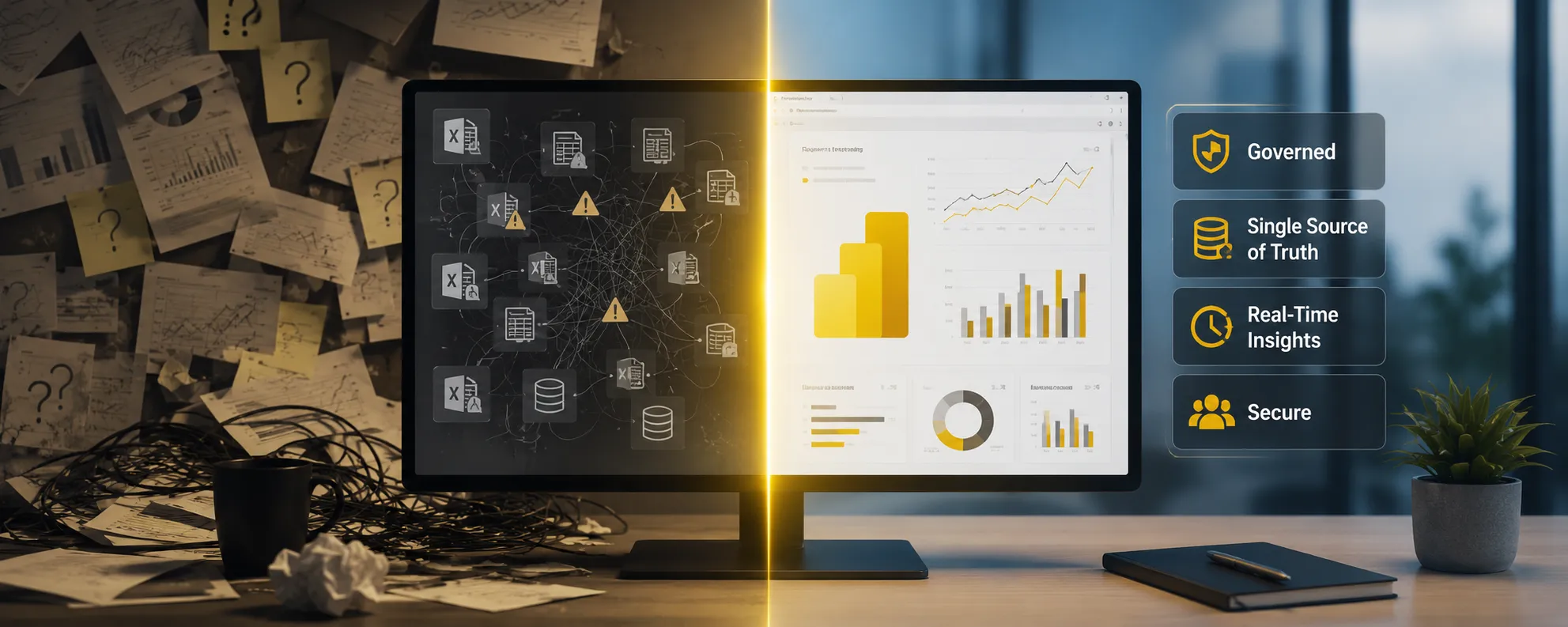
A major issue is that teams store data separately. Marketing has its own tools. Finance has its own systems. Customer support has another platform.
This creates confusion and wasted effort.
Teams may end up using different versions of the same information, leading to conflicting reports and poor decisions.
Too Many Tools and Platforms
Many companies use dozens of software tools. Over time, this creates a messy environment where data is spread everywhere.
This makes it harder to:
Track where data is coming from
Keep data updated
Ensure data is consistent
It also increases costs.
Lack of Clear Ownership
A common problem in large organizations is that no one knows who is responsible for data accuracy.
When something goes wrong, teams blame each other.
Without clear ownership, data issues stay unresolved.
Security Risks and Cyber Threats
As more data moves to the cloud, security becomes more complex.
Enterprises must deal with:
Unauthorized access
Phishing attacks
Internal misuse of data
Data leaks
In 2026, cyber threats are smarter and more frequent. Security must be part of the strategy from the beginning.
Difficulty Turning Data Into Useful Insights
Many companies collect data but fail to use it properly. They have dashboards and reports, but teams do not take action.
This happens because:
Reports are too complex
Data is not connected to business goals
Employees are not trained to use it
Data without action has no value.
Practical Solutions for a Strong Enterprise Data Strategy in 2026
Now that we have covered the trends and challenges, let us look at real solutions that can help.
Build a Clear Data Governance Plan
Data governance means setting rules for how data is handled across the company.
A strong governance plan should include:
Who owns the data
Each department should have clear responsibility.
Who can access it
Access should be based on job roles.
How data is updated and reviewed
This ensures data stays accurate.
Governance keeps everything organized and reduces confusion.
Focus on Data Quality Before AI Projects
Many companies rush into AI without preparing their data. This leads to poor results and wasted money.
Before launching AI tools, businesses should:
Remove duplicate records
Standardize naming formats
Fix missing values
Create one trusted data source
Good data is the foundation of successful AI.
Create a Central Data Hub
A central data hub helps bring all key business data into one place. This does not mean every tool must be replaced, but it means data should be connected and unified.
A central hub helps companies:
Reduce silos
Improve reporting accuracy
Speed up decision making
Support real time insights
This is one of the most valuable steps for enterprise data success.
Use Simple Dashboards That Drive Action
In 2026, dashboards should not just display numbers. They should help people take action.
The best dashboards are:
Easy to understand
Focused on key business goals
Updated regularly
Built for each team’s needs
A sales team dashboard should not look like a finance dashboard. Each team needs data that supports their daily decisions.
Improve Data Security With Strong Policies
Security should be built into every layer of your data strategy.
Key steps include:
Encrypt sensitive data
This makes stolen data harder to use.
Use multi factor authentication
This reduces unauthorized access.
Train employees regularly
Many security issues start with human mistakes.
Monitor systems for unusual behavior
Early detection prevents bigger damage.
Security is not only about tools. It is also about habits and rules.
Train Teams to Use Data Confidently
A great data strategy fails if employees do not understand how to use data.
Companies should provide simple training such as:
How to read reports
How to check data accuracy
How to use analytics tools
How to make decisions based on insights
When teams feel confident, data becomes part of daily work.
Final Thoughts: The Future of Enterprise Data Strategy
Enterprise data strategy in 2026 is about clarity, control, and real business value. Companies that treat data as a long term asset will stay ahead. Those that ignore it will struggle with inefficiency, poor decision making, and security risks.
The good news is that building a strong strategy does not require complex systems or expensive changes overnight. It starts with simple steps like improving data quality, setting ownership, reducing silos, and connecting data to real business goals.
In 2026, the companies that win will not be the ones with the most data. They will be the ones that use it in the smartest way.

























Sign in to leave a comment.