

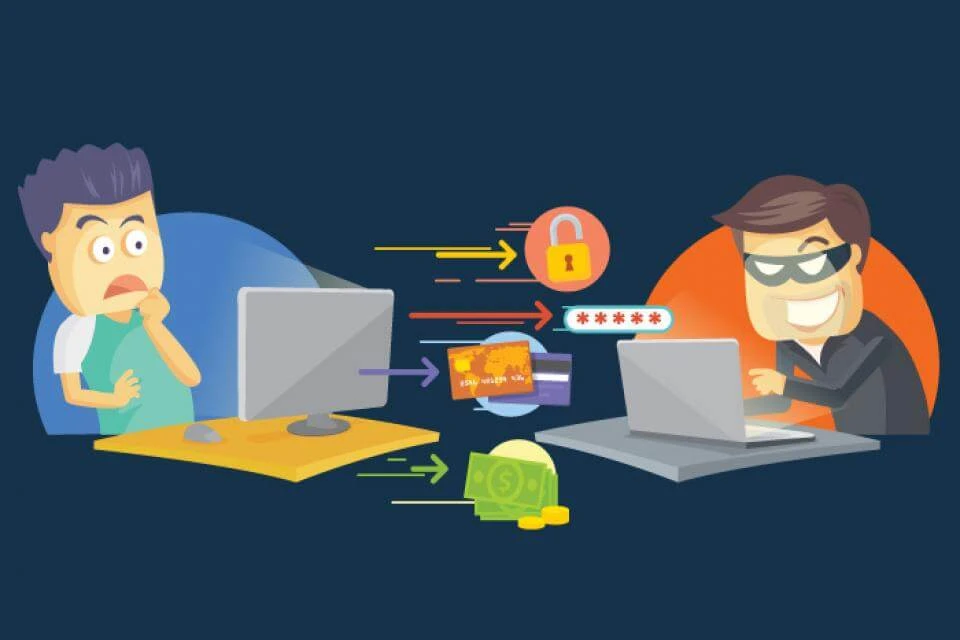
In today's digital-first world, email remains the lifeblood of enterprise communication. It’s fast, convenient and often the first target for cyberattacks. From phishing scams and ransomware to business email compromise (BEC), the risks are growing in complexity. To stay ahead, large organizations rely on advanced email security strategies that go beyond basic filters and antivirus tools.
In this article, we’ll uncover what big companies do differently to secure their email systems, and how smaller businesses can learn from their approach to enterprise grade email protection.

Why Email Security Is Critical for Enterprises
Big businesses are frequent targets because they:
- Store large volumes of sensitive data
- Work with global vendors and customers
- Manage thousands of employees and endpoints
A single successful email attack can cause:
- Massive financial losses
- Intellectual property theft
- Legal liability and compliance violations
- Reputation damage that takes years to repair
Enterprise organizations understand this risk and invest accordingly in layered, proactive email protection measures.
What Big Companies Get Right About Email Security
1. Layered Security Approach
Large enterprises adopt a multi-layered defense model, combining:
- Spam and phishing filters
- Advanced threat detection
- AI-powered analytics
- Real-time link and attachment scanning
- Outbound content monitoring
This layered model ensures that if one barrier is bypassed, others are in place to catch the threat.
2. Use of AI and Machine Learning
Enterprises leverage AI and machine learning to detect:
- Unknown (zero-day) attacks
- Suspicious behavioral patterns
- Email spoofing attempts
These technologies adapt in real time, learning from millions of data points to spot anomalies that traditional filters miss.
3. Employee Security Awareness Training
Technology is only part of the solution. Enterprises invest in ongoing employee training to educate staff about:
- Recognizing phishing emails
- Reporting suspicious activity
- Using secure communication tools
Many large firms run simulated phishing campaigns to test and improve employee awareness regularly.
4. Strong Authentication Protocols
Big companies use email authentication protocols to protect against spoofing:
- SPF (Sender Policy Framework)
- DKIM (Domain Keys Identified Mail)
- DMARC (Domain-based Message Authentication, Reporting, and Conformance)
They also enforce multi-factor authentication (MFA) for email accounts, adding a second layer of security beyond just passwords.
5. End-to-End Email Encryption
Enterprises secure sensitive communication with end-to-end encryption, ensuring only intended recipients can access the content—even if the message is intercepted.
This is especially critical in industries like:
- Healthcare
- Finance
- Legal
- Government
6. Centralized Email Monitoring and Logging
Big companies use Security Information and Event Management (SIEM) systems to log and monitor all email activity across the organization. This enables:
- Rapid incident detection
- Forensic investigation
- Compliance reporting
7. Incident Response and Backup Plans
Every major enterprise has a dedicated incident response plan in case of an email-related breach. They also maintain secure email backups and business continuity solutions to minimize downtime and data loss.
8. Vendor and Third-Party Email Risk Management
Large companies often work with numerous third-party vendors. They assess these partners for:
- Email security hygiene
- Data protection practices
- Compliance with enterprise standards
This supply chain security approach helps prevent indirect breaches.
Tools and Technologies Enterprises Rely On
Some leading email security platforms trusted by global businesses include:
- Proofpoint Enterprise Protection
- Mimecast Secure Email Gateway
- Microsoft Defender for Office 365
- Cisco Secure Email
- Barracuda Email Protection
- Google Workspace Enterprise Security
These tools offer features like sandboxing, threat intelligence, secure email archiving, and compliance management.
Tips for Scaling Enterprise Security to Your Business
Even if you're not a Fortune 500 company, you can apply enterprise-level email strategies:
- Invest in a cloud-based email security gateway
- Use DMARC, SPF, and DKIM
- Educate your team on safe email habits
- Set up regular audits and logging
- Encrypt sensitive communications
- Monitor and restrict email attachments and links
Frequently Asked Questions
What is enterprise email security?
Enterprise email security refers to the advanced tools, protocols, and practices large organizations use to protect their email systems from cyber threats like phishing, malware, spoofing, and data breaches.
How is enterprise email security different from small business email protection?
Enterprise security focuses on scalability, automation, compliance, and integration across large networks. It also includes more real-time monitoring, advanced analytics, and training programs compared to basic small-business tools.
Do all companies need enterprise-level email protection?
Not all, but every company can benefit from adopting key strategies like strong authentication, encryption, and phishing awareness training even if on a smaller scale.
Is email encryption enough for enterprise protection?
Encryption is critical, but not enough on its own. Enterprises combine it with threat detection, user training, and continuous monitoring for full protection.
What are the most common enterprise email threats?
- Phishing attacks
- Business Email Compromise
- Malware and ransomware
- Credential harvesting
- Domain spoofing
Final Thoughts
Big companies don’t just rely on one tool or policy to secure their email they build holistic strategies that combine technology, training, and oversight. These strategies create a resilient email ecosystem where threats are identified, blocked, and responded to quickly.
Even smaller businesses can learn from this approach and apply many of the same techniques to protect communication, maintain compliance, and build customer trust.
Visit: writeupcafe


























Sign in to leave a comment.