

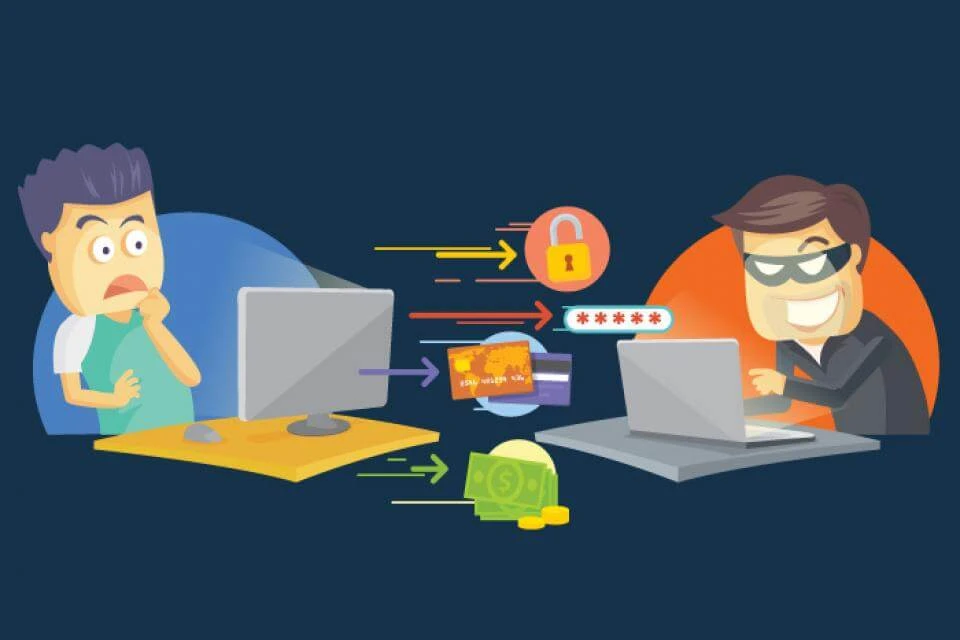
Many small business owners believe that cybersecurity threats only target large corporations. But the reality is quite different. In today’s digital age, small businesses are prime targets for cyberattacks because they often lack strong security defenses. This makes the question, “Do small businesses need cybersecurity audits?” not only relevant but crucial.
The short answer is yes and here’s why.

Why Cybersecurity Matters for Small Businesses
Cybersecurity is no longer just an IT concern it’s a business risk management issue. Small businesses store sensitive data such as customer information, employee records, financial documents, and login credentials. A breach in any of these areas can result in:
- Financial loss
- Legal consequences
- Reputation damage
- Operational downtime
According to studies, over 60% of small businesses that suffer a cyberattack go out of business within six months. This statistic alone highlights the importance of proactive security measures, including cybersecurity audits.
What Is a Cybersecurity Audit?
A cybersecurity audit is a systematic review of a business’s digital infrastructure, policies, and procedures to identify weaknesses and evaluate security controls. For small businesses, audits help answer questions like:
- Are our systems protected against common threats?
- Are our employees following safe data practices?
- Do we have the right tools and policies in place?
- Are we compliant with any data privacy regulations?
Benefits of Cybersecurity Audits for Small Businesses
1. Identify Security Gaps
Audits reveal vulnerabilities that could be exploited by hackers such as outdated software, weak passwords, or open ports.
2. Improve Compliance
Even small businesses may fall under regulations like GDPR, HIPAA, CCPA, or PCI-DSS. A cybersecurity audit helps ensure you're meeting those standards.
3. Protect Customer Trust
Customers expect their data to be safe. An audit helps demonstrate that your business takes data security seriously, which can be a competitive advantage.
4. Reduce Costs
Dealing with a cyberattack is far more expensive than preventing one. Audits can help you avoid the high costs of recovery, legal action, and lost business.
5. Enable Cyber Insurance
Many insurers require proof of cybersecurity practices—such as regular audits—before providing coverage or offering lower premiums.
Common Cyber Threats Faced by Small Businesses
- Phishing and social engineering
- Ransomware and malware
- Weak password usage
- Insider threats
- Unsecured Wi-Fi or cloud configurations
A cybersecurity audit helps detect your exposure to these risks and guides you in implementing solutions.
What’s Included in a Small Business Cybersecurity Audit?
Here are typical components of a cybersecurity audit tailored for small businesses:
- Asset inventory (hardware, software, data)
- Access control evaluation
- Firewall and antivirus configuration check
- Employee behavior and training review
- Backup and disaster recovery plan analysis
- Compliance check for industry-specific regulations
How Often Should Small Businesses Conduct Cybersecurity Audits?
Experts recommend conducting a cybersecurity audit at least once a year, or:
- After a major IT upgrade
- When adopting new software or services
- After a security incident
- If compliance regulations change
Regular audits ensure that your security strategy evolves with your business and the threat landscape.
Cost of Cybersecurity Audits for Small Businesses
Cybersecurity audits for small businesses are more affordable than many expect. The cost depends on:
- Size and complexity of your infrastructure
- Depth of the audit (basic vs. comprehensive)
- Internal vs. external auditor
Some companies offer managed security services that include audits as part of a monthly subscription, making them accessible for even microbusinesses.
First Steps to Get Started
If you’re new to cybersecurity audits, here’s how to start:
- Perform a self-assessment using online tools or checklists.
- Set clear goals (e.g., compliance, risk reduction, client trust).
- Consult a cybersecurity professional or MSP (Managed Service Provider).
- Document your findings and actions taken.
- Establish a regular audit cycle.
Visit: https://www.rutter-net.com/blog/cybersecurity-audits
FAQs:
1. Are cybersecurity audits legally required for small businesses?
Not always but if your business handles sensitive data (health, finance, customer PII), audits may be required by laws or contracts.
2. Can I do a cybersecurity audit myself?
You can start with a basic internal review, but it’s best to involve professionals for a deeper analysis and objective insights.
3. How long does a cybersecurity audit take?
For small businesses, an audit typically takes 1–3 days, depending on scope and size.
4. What if I can't afford a full audit?
Start with a risk assessment or free tools provided by government or nonprofit security organizations. Some cybersecurity firms also offer affordable audit packages for small businesses.
Final Thoughts
So, do small businesses need cybersecurity audits? Absolutely. No business is too small to be targeted, and no data is too insignificant to be stolen.
A cybersecurity audit is more than a technical exercise it’s a business survival strategy. Investing in one helps protect your data, reputation, and long-term success in an increasingly digital world.
Visit: Writeupcafe




























Sign in to leave a comment.