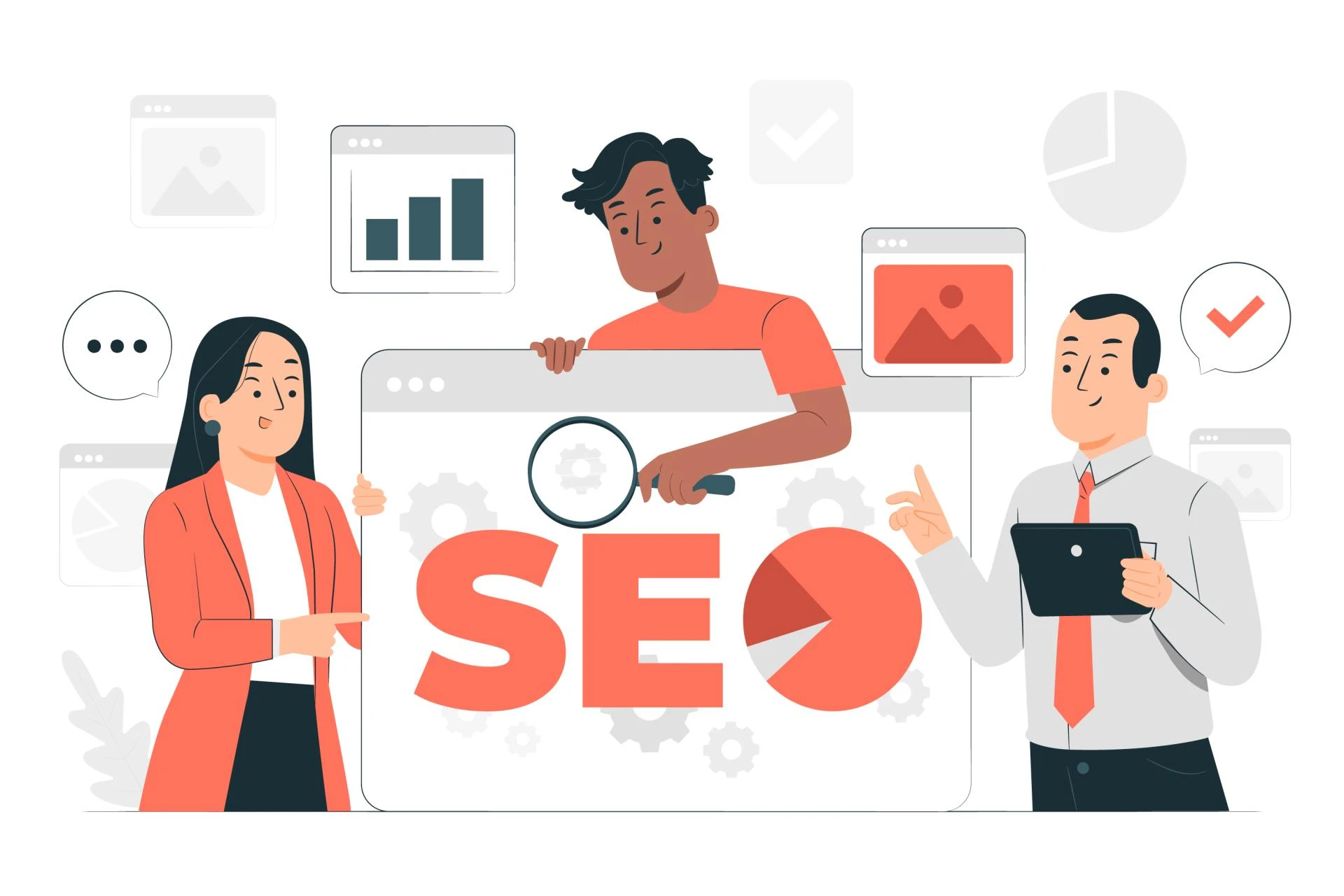

Today's businesses, especially huge brands, need to rank on the top page of search engines. These enterprises often dominate the top spots, outranking smaller competitors with ease. But how do they achieve this level of success in such a competitive environment? The answer lies in their sophisticated and well-thought-out Enterprise SEO strategies.
Enterprise SEO Services optimizes big websites with hundreds or thousands of pages for Google's search results. Technical skills, content strategies, and performance tracking are needed for this method. Let's explore the essential tactics big brands employ to stay on page 1 of search engine results.
A Strong Technical Foundation
Website technicalities are the core of every good SEO approach. Big brands spend a lot on speedy, mobile-friendly, search engine-friendly websites. Understanding that Google's algorithms prioritize user experience, they cut website load speeds, optimized for mobile devices, and improved navigation.
Site architecture is another critical component. Large websites with many pages need to ensure that they have a logical, easy-to-follow structure that allows users (and search engine crawlers) to find content quickly. Enterprise brands make sure that their websites use siloing techniques, creating clear categories and subcategories for their content. This not only enhances user experience but also improves the website's relevance for search queries.
One key technique used by big brands is the implementation of schema markup. By providing structured data to search engines, brands can help improve how their content is displayed in search results. These rich snippets, knowledge graphs, and other visually appealing search elements can make a brand's listing stand out.
Quality, Scalable Content Strategy
Any SEO campaign relies on high-quality, scalable content, and corporate brands can provide it. Large companies can afford to employ in-house teams or agencies to develop comprehensive content strategies that are tailored to their target audience.
Big brands focus on creating content that addresses every stage of the customer journey. From awareness to decision-making, their content covers all aspects of their audience's needs. This includes blog posts, product pages, FAQs, guides, and more. They also use content marketing to boost authority through backlinks from high-quality websites.
However, the key to an effective content strategy is consistency and volume. Enterprise brands regularly update their content to stay relevant and ensure that their pages provide the most accurate and current information. They also optimize their content for search intent, making sure that their content directly answers the questions and needs of their potential customers.
Link Building At Scale
High-quality backlinks are essential to SEO. For big brands, this means engaging in a proactive approach to link-building. Enterprise companies don't just wait for links to come to them; they actively build relationships with influencers, bloggers, and authoritative sites within their industry.
They often have dedicated outreach teams who focus on building a robust backlink profile, reaching out to reputable websites, guest posting on industry blogs, and leveraging partnerships with other brands. This consistent effort leads to a strong domain authority, which directly impacts search rankings.
Additionally, large brands also focus on earning natural links through high-quality content. More informative, interesting, and authoritative material increases the likelihood of external links. By building valuable content, enterprise brands can create a self-sustaining link-building ecosystem.
Advanced Data Analytics
Big brands rely on data analytics to continuously monitor and refine their SEO strategies. With access to sophisticated tools and dedicated teams, they can analyze their website's performance, user behavior, and traffic patterns. By leveraging data, enterprise companies can identify areas for improvement and adjust their strategies accordingly.
For instance, they use analytics tools like Google Analytics, SEMrush, or Ahrefs to track keyword rankings, monitor organic traffic, and assess the effectiveness of their content. Through detailed reports, they can measure how different pages perform and where they need to adjust their focus.
Moreover, big brands often use A/B testing to optimize their content and technical elements. This allows them to test various changes—whether it's adjusting a headline, changing the layout of a page, or altering the call to action— to see how these changes impact their search rankings and conversions.
Continuous Optimization And Adaptation
SEO is not a one-time effort. For large companies, staying on the first page requires ongoing optimization. Enterprise brands know that SEO trends, algorithms, and user preferences constantly evolve. As a result, they continuously adapt their strategies to ensure they maintain a competitive edge.
For example, big brands keep an eye on algorithm updates from search engines like Google. They understand that the way rankings are determined can shift at any moment, and they're prepared to adjust their approach as needed. Whether it's Google's focus on user experience, page speed, or semantic search, large enterprises are always on top of the latest SEO trends.
Another aspect of continuous optimization is monitoring user feedback. Big brands often engage with their audience through surveys, reviews, and social media to gauge user sentiment. By understanding their audience's needs and preferences, they can further refine their SEO strategy and ensure their content remains relevant and effective.
Conclusion
Enterprise SEO is not just about technical know-how or keyword optimization; it's about creating a comprehensive, scalable strategy that aligns with a company's broader business goals. Big brands that dominate the first page of search engine results do so by focusing on technical excellence, content quality, data-driven insights, and continuous optimization. By employing these tactics, they ensure that their website remains a dominant force in their industry, driving traffic, leads, and ultimately, revenue. While smaller businesses may not have the same resources, they can still learn from the strategies of big brands and apply them in ways that make sense for their own size and scope.
























Sign in to leave a comment.