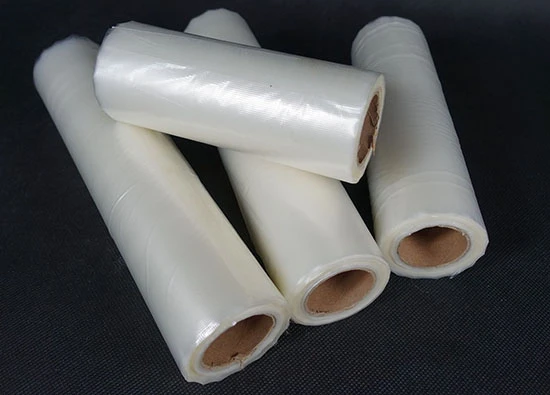

Water soluble films have emerged as a sustainable alternative to traditional plastic packaging, offering significant environmental advantages. Made primarily from polyvinyl alcohol (PVA), these films dissolve completely in water and break down into non-toxic components, reducing plastic waste and environmental pollution. As industries and consumers increasingly prioritize eco-friendly materials, understanding the environmental impact of water soluble films has become critical for manufacturers, policymakers, and end users alike.
One of the main environmental benefits of water soluble films is their biodegradability. Unlike conventional plastics, which can take hundreds of years to decompose, water soluble films dissolve in water and can be further broken down by microorganisms. A leading brand in this field, Polyva, produces high-quality water soluble films designed to minimize ecological footprints while maintaining industrial performance. By adopting these films, companies can significantly reduce packaging waste and contribute to more sustainable production and consumption cycles.
Reduction in Plastic Pollution
Traditional plastic packaging is one of the major contributors to global pollution, particularly in oceans and waterways. Plastic debris harms marine life, disrupts ecosystems, and eventually enters the human food chain through microplastics. Water soluble films, by contrast, dissolve completely in water and do not form persistent plastic waste. Their use in applications such as single-dose detergents, cleaning agents, and agricultural products can reduce reliance on conventional plastics and help address the global plastic pollution crisis.
By replacing plastic pouches, sachets, and pods with water soluble films, industries can also reduce landfill accumulation. This is particularly important in regions where recycling infrastructure is limited, as water soluble films do not require specialized recycling processes to decompose safely. Over time, widespread adoption of these materials could have a measurable impact on reducing the environmental burden of packaging.
Lower Carbon Footprint
The production and disposal of traditional plastics are energy-intensive and contribute to greenhouse gas emissions. Water soluble films typically have a lower carbon footprint, as they are made from renewable or partially renewable raw materials such as PVA, and their production often consumes less energy compared to conventional plastics. Additionally, because they dissolve and biodegrade naturally, they eliminate emissions associated with long-term plastic decomposition or incineration.
By choosing water soluble films, companies can also demonstrate environmental responsibility and support corporate sustainability goals. Industries including packaging, agriculture, and healthcare are increasingly evaluating their carbon footprints and seeking materials that reduce environmental impact throughout the product lifecycle. Water soluble films provide a practical solution that balances performance with ecological sustainability.
Safe for Aquatic and Soil Environments
Water soluble films break down into harmless byproducts, such as water and biodegradable organic compounds, making them safe for both aquatic and terrestrial environments. When used in applications like agricultural fertilizers or seed coatings, these films ensure that chemicals are delivered efficiently to plants without leaving harmful residues in the soil. In water-based applications, such as detergent pods or cleaning products, the film dissolves completely, minimizing potential contamination of wastewater streams.
This environmental safety is particularly significant when compared to microplastics from conventional films, which can accumulate in aquatic ecosystems and negatively affect wildlife. The biodegradable nature of water soluble films helps protect biodiversity while supporting sustainable industrial practices.
Encouraging Circular Economy Practices
The adoption of water soluble films supports the principles of a circular economy, where materials are designed to return safely to the environment or be reused. By replacing single-use plastics with films that dissolve and biodegrade, industries can close the loop on packaging waste and reduce the extraction of virgin plastic materials. Consumers also benefit from convenient, pre-measured packaging that minimizes product waste, further supporting sustainable consumption patterns.
Companies integrating water soluble films into their products can also leverage their eco-friendly nature in branding and marketing, appealing to environmentally conscious consumers. This dual benefit of sustainability and market competitiveness drives broader adoption of these innovative materials across multiple sectors.
Conclusion
Water soluble films offer a significant environmental advantage over traditional plastic packaging. Their biodegradability, low carbon footprint, and safety for soil and aquatic ecosystems make them a viable solution for industries seeking sustainable alternatives. By using high-quality products like those offered by Polyva, manufacturers can reduce plastic waste, lower greenhouse gas emissions, and contribute to a circular economy. As environmental concerns continue to influence consumer behavior and regulatory policies, water soluble films are poised to play an essential role in creating a cleaner, more sustainable future.
































Sign in to leave a comment.