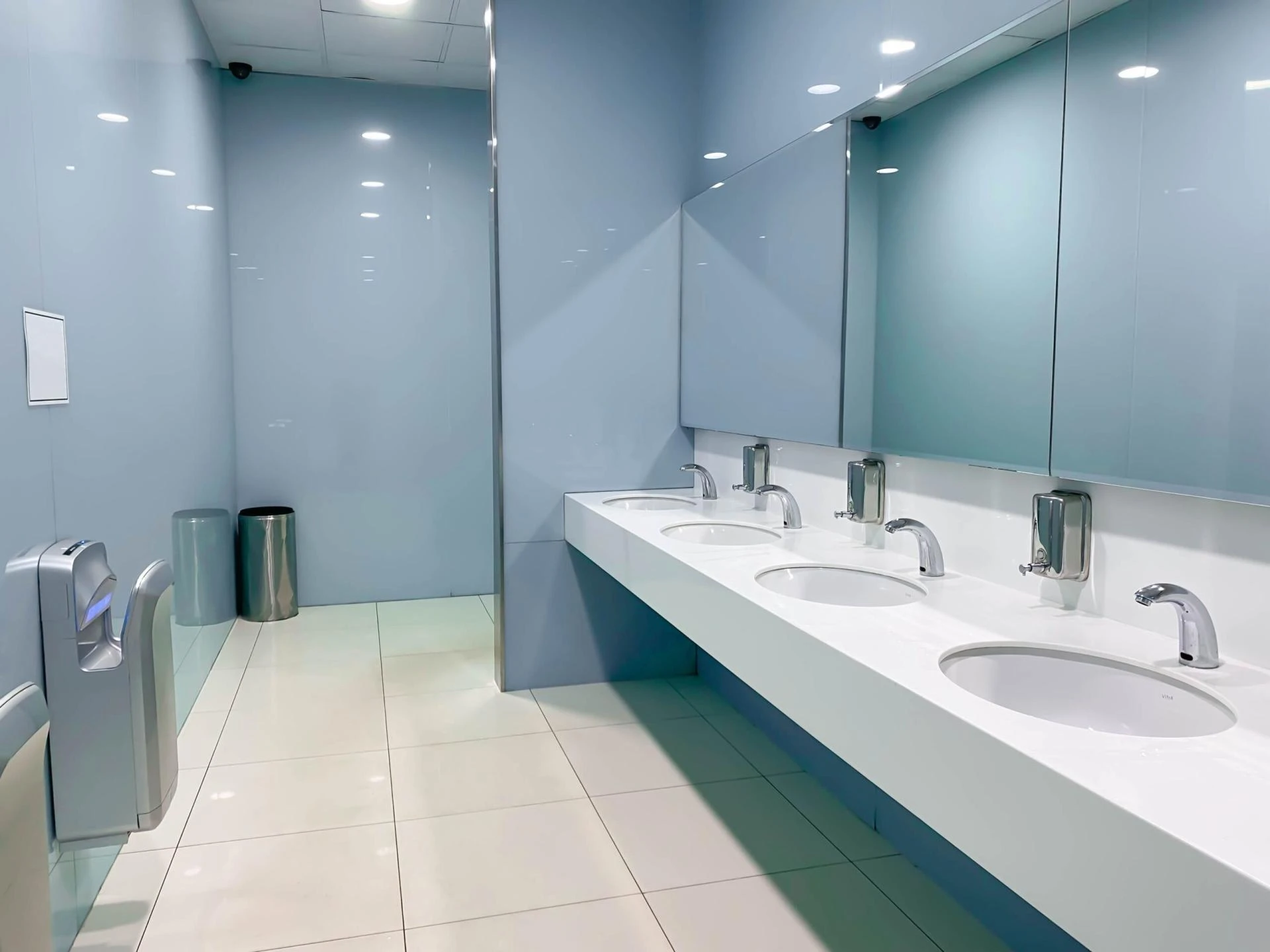

ADA bathroom sinks are an essential part of accessible bathroom design, providing convenience, safety, and independence for individuals with disabilities. Many homeowners, facility managers, and designers have questions about these sinks, including their specifications, installation, maintenance, and compliance with the Americans with Disabilities Act (ADA). Understanding the common questions can help ensure that bathrooms are both functional and compliant.
What Is an ADA Bathroom Sink?
An ADA bathroom sink is a sink designed to meet the accessibility standards established by the Americans with Disabilities Act. These standards ensure that people with disabilities, including those who use wheelchairs, can comfortably and safely access bathroom facilities. ADA sinks are designed with specific height and clearance requirements, as well as faucet and control placements that are easy to reach and operate. The design typically includes adequate knee and toe space to allow users to approach the sink without obstruction.
What Are the Height and Clearance Requirements?
The height and clearance of an ADA bathroom sink are crucial for accessibility. According to ADA guidelines, the sink rim or countertop should be no higher than 34 inches from the floor. Knee clearance underneath the sink should be at least 27 inches high, 30 inches wide, and 19 inches deep. These dimensions allow wheelchair users to roll under the sink and access faucets and soap dispensers comfortably. Toe clearance at the base of the sink is also required to ensure proper positioning and comfort for all users.
What Types of ADA Sinks Are Available?
ADA bathroom sinks come in several designs to accommodate different spaces and needs. Wall-mounted sinks are popular because they leave open space underneath, making them easily accessible for wheelchair users. Pedestal sinks can also meet ADA standards if the pedestal is narrow enough to provide sufficient legroom. Countertop sinks, including integrated or solid surface designs, are another option, provided that the cabinetry or base is modified to allow proper clearance. For those seeking high-quality and compliant options, an ADA Bathroom Sink offers a range of designs that combine accessibility, durability, and style.
What Materials Are Commonly Used?
The materials used in ADA sinks vary depending on the desired balance of durability, aesthetics, and maintenance. Stainless steel, ceramic, porcelain, solid surface composites, and engineered stone are commonly used. Stainless steel is durable, corrosion-resistant, and ideal for public restrooms or high-traffic areas. Ceramic and porcelain provide a classic, easy-to-clean finish suitable for residential use. Solid surface and engineered stone options offer durability with seamless designs that prevent dirt accumulation and simplify maintenance. Selecting the right material ensures both longevity and compliance.
Are ADA Sinks Water-Efficient?
Many modern ADA bathroom sinks include water-saving features such as low-flow faucets, aerators, and sensor-activated controls. These technologies reduce water consumption without compromising usability. Sensor faucets, in particular, prevent unnecessary water flow in public or high-traffic restrooms, improving hygiene and sustainability. Water efficiency is an important consideration for both commercial and residential applications, reducing utility costs while supporting environmentally friendly practices.
How Are ADA Sinks Installed?
Installation requirements depend on the sink type and the layout of the bathroom. Wall-mounted sinks require reinforced walls or brackets to support weight and ensure stability. Pedestal and countertop sinks may need modifications to cabinetry or floor space to meet clearance standards. Proper installation also involves ensuring that faucets, drains, and accessories are positioned for easy reach. In public restrooms, additional considerations include spacing multiple sinks to allow wheelchair maneuverability and compliance with ADA guidelines.
What Maintenance Is Required?
ADA sinks are designed to be low-maintenance, but regular cleaning and inspection are essential to ensure longevity and continued compliance. Non-abrasive cleaners should be used to protect finishes, and plumbing connections should be checked periodically to prevent leaks. Sensors and faucets may require occasional calibration or battery replacement. Choosing durable materials can minimize maintenance needs and ensure the sink remains functional for years.
Can Existing Bathrooms Be Retrofitted With ADA Sinks?
Yes, existing bathrooms can often be retrofitted to include ADA-compliant sinks. Retrofitting may involve removing cabinets, adjusting plumbing, and modifying wall or floor space to provide proper knee and toe clearance. Wall-mounted designs are particularly effective for retrofits because they offer flexibility in height and open space underneath. Retrofitting allows older bathrooms to meet accessibility standards without a complete renovation, making it a practical solution for both residential and commercial properties.
Conclusion
ADA bathroom sinks play a vital role in accessible bathroom design, ensuring safety, convenience, and independence for individuals with disabilities. Common questions focus on height and clearance requirements, available materials, water efficiency, installation, and maintenance. By understanding these factors, homeowners, facility managers, and designers can make informed decisions that balance functionality, compliance, and aesthetics. Choosing a high-quality ADA-compliant sink ensures that bathrooms are accessible, sustainable, and long-lasting, serving the needs of all users effectively.

































Sign in to leave a comment.