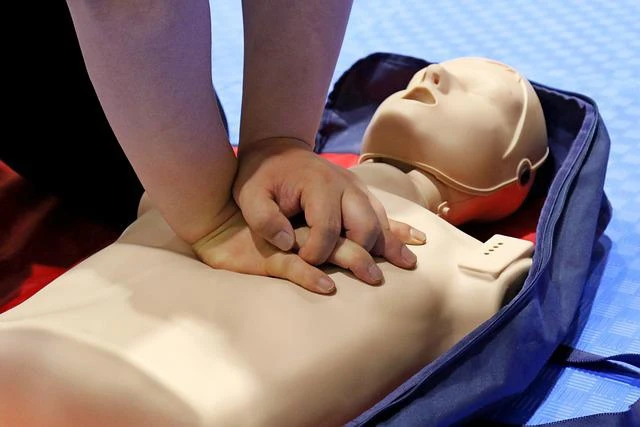

Being equipped with the knowledge and skills to respond swiftly can mean the difference between life and death. Cardiovascular emergencies, such as cardiac arrests, require immediate intervention, and having individuals trained in CPR and first aid certification can be pivotal in saving lives.
In this detailed blog, you will learn the critical skills needed to navigate cardiac emergencies and the importance of CPR courses.
Navigating Common Cardiac Emergencies: A Vital Skillset
Whether you're pursuing basic life support certification online or seeking CPR and first aid certification, understanding the nuances of these situations is crucial. Let's explore some of the most prevalent cardiac emergencies individuals may encounter:
Cardiac Arrest
Perhaps the most urgent of cardiac emergencies, cardiac arrest, demands immediate action. During cardiac arrest, the heart ceases to pump blood effectively, leading to a sudden loss of consciousness and the absence of a pulse. Basic life support certification online equips individuals with the knowledge and skills to perform high-quality CPR, including chest compressions and rescue breathing, to maintain blood circulation and oxygenation until advanced medical help arrives.
Heart Attack
While often used interchangeably with cardiac arrest, a heart attack (myocardial infarction) is distinct. It occurs when a blockage in the coronary arteries hinders blood flow to the heart muscle, leading to chest pain or discomfort, shortness of breath, and other symptoms. CPR and first aid certification training teaches individuals to recognize the signs of a heart attack and take prompt action by activating emergency medical services and providing comfort measures while awaiting assistance.
Register now for CPR and first aid training.
Stroke
Although not exclusively a cardiac emergency, strokes are often interconnected with cardiovascular health. A stroke occurs when blood flow to the brain is disrupted, resulting in the sudden onset of neurological deficits such as weakness, slurred speech, and paralysis. CPR and first aid certification courses emphasize the importance of recognizing stroke symptoms and activating emergency response protocols, as early intervention can significantly improve outcomes for stroke patients.
Arrhythmias
Irregular heart rhythms, known as arrhythmias, can range from benign to life-threatening. Ventricular fibrillation, for example, is a chaotic rhythm that can lead to cardiac arrest if not promptly treated with defibrillation. Basic life support certification online covers the principles of defibrillation and the use of automated external defibrillators (AEDs) to restore normal heart rhythm in individuals experiencing certain arrhythmias.
Understanding the Importance of Certification
Obtaining CPR and first aid certification isn't just a checkbox on your to-do list; it's a commitment to being a proactive member of your community. CPR (Cardiopulmonary Resuscitation) is a fundamental skill that involves chest compressions and rescue breathing, aimed at maintaining blood circulation and oxygenation to vital organs during cardiac arrest. Additionally, first aid certification encompasses a broader spectrum of skills, including wound care, choking relief, and recognizing the signs of various medical emergencies.
In essence, obtaining CPR and first aid certification represents a commitment to preparedness, responsibility, and community welfare. It's about more than just acquiring skills—it's about cultivating a proactive mindset and a sense of duty toward safeguarding the well-being of those around you. By investing in CPR and first aid certification, you not only enhance your capacity to respond effectively in emergencies but also contribute to fostering a safer and more resilient community for everyone.
Here are the skills relevant to responding to cardiac emergencies:
Proficiency in CPR (Cardiopulmonary Resuscitation) techniques, including chest compressions and rescue breathing.Ability to recognize the signs and symptoms of cardiac arrest.Knowledge of basic life support (BLS)protocols for maintaining blood circulation and oxygenation during emergencies.Competence in using an automated external defibrillator (AED)to restore normal heart rhythm.Understanding of advanced cardiac life support (ACLS)procedures for managing complex cardiac emergencies.Familiarity with pediatric advanced life support (PALS)techniques for addressing cardiac events in children.Skill in assessing and responding to heart attack symptoms.Ability to perform basic airway management to ensure adequate oxygenation.Proficiency in recognizing and responding to arrhythmias and other cardiac abnormalities.Knowledge of first aid techniques for managing wounds, choking, and other associated complications during cardiac emergencies.The Value of PALS Certification
While CPR and first aid certification provide foundational knowledge, Pediatric Advanced Life Support (PALS) certification caters specifically to pediatric cardiac emergencies. Children have unique physiological differences, and responding to cardiac events in pediatric patients requires specialized training. PALS certification equips individuals with the skills to assess and manage pediatric cardiac arrests, respiratory distress, and other critical situations tailored to the needs of infants and children.
Empowering Communities with Training
CPR, ACLS & PALS Training Institute believes in empowering individuals and communities with the necessary training to respond effectively to cardiac emergencies. Their comprehensive courses cover a range of certifications, including Basic Life Support (BLS), Advanced Cardiac Life Support (ACLS), and PALS certification, ensuring that participants are equipped with the knowledge and confidence to act decisively in critical situations. The institute serves Philadelphia, Trenton, New Jersey, Northeast Philadelphia, and surrounding areas. Learn more about them here.
Practical Application and Simulation
A key aspect of CPR training methodology involves hands-on practice and simulation exercises. Participants engage in realistic scenarios that simulate cardiac emergencies, allowing them to apply their skills in a controlled environment. This practical approach not only reinforces learning but also instills the muscle memory needed to perform confidently in real-life situations.
Expanding Access to Training
CPR, ACLS & PALS Training Institute is committed to making essential training accessible to individuals and organizations across Northeast Philadelphia, Feasterville, Richboro, and surrounding areas. Their flexible scheduling options and convenient locations ensure that busy professionals, healthcare providers, and community members can obtain CPR, ACLS, and PALS certifications without compromising their other commitments.
For individuals in search of comprehensive CPR & AED training, the CPR, ACLS & PALS Training Institute offers expert-led classes nearby. Following the guidelines of the American Heart Association, they ensure participants gain the necessary skills to respond effectively to cardiac emergencies.
Don't delay—enroll in their American Heart Association CPR class today and become a certified lifesaver in your community. Take proactive steps now and make a difference when it counts the most.
Learn more about them or get in touch for more details.
Author’s Bio
The guest author is a seasoned healthcare professional with years of experience in emergency medical services. With a background in nursing and paramedicine, they have witnessed firsthand the critical importance of prompt and effective response in life-threatening situations.


























Sign in to leave a comment.