

Many people believe erectile dysfunction (ED) only affects older men. However, more men in their 20s and 30s are experiencing erection problems than ever before. While age can increase the risk of ED, younger men can also develop the condition due to stress, anxiety, lifestyle habits, hormone imbalances, or underlying health issues.
Research shows that erectile dysfunction is more common among younger men than many people realize. The good news is that ED is often treatable, especially when the root cause is identified early.
If you're having ongoing difficulties getting or maintaining an erection, seeking professional help can improve both your sexual health and overall well-being. Today, there are several advanced options for erectile dysfunction treatment Cambridge patients can access to regain confidence and improve performance.
Is Erectile Dysfunction Common in Younger Men?
Occasional erection problems can happen to any man. Factors such as stress, lack of sleep, alcohol consumption, or emotional challenges can temporarily affect sexual performance.
However, if erection difficulties happen regularly or start affecting your confidence, relationships, or quality of life, it may be time to seek medical advice.
Studies suggest that many men under 40 experience symptoms of ED. Unlike older men, whose erection problems are often linked to aging or heart disease, younger men are more likely to experience ED due to psychological stress, unhealthy habits, hormonal issues, or other medical conditions.
How Does an Erection Work?
An erection depends on several body systems working together properly, including the brain, nerves, hormones, blood vessels, and muscles.
When a man becomes sexually aroused:
- The brain sends signals through the nervous system.
- Blood vessels in the penis widen.
- Blood flow increases to erectile tissues.
- The penis becomes firm enough for sexual activity.
If any part of this process is disrupted, erectile dysfunction can occur. Problems with blood flow, nerve function, hormone levels, mental health, or medication side effects can all play a role.
Common Causes of Erectile Dysfunction in Younger Men
Performance Anxiety
Performance anxiety is one of the most common causes of ED in younger men.
After experiencing erection difficulties once, some men begin worrying that it will happen again. This anxiety can create a cycle where fear and stress make it even harder to achieve or maintain an erection.
In many cases, the worry itself becomes the main problem.
Stress, Anxiety, and Depression
Modern life can be stressful. Work pressure, financial concerns, relationship problems, and family responsibilities can all affect sexual health.
Stress triggers the body's "fight or flight" response, which can interfere with the natural processes needed for an erection.
Mental health conditions such as anxiety and depression are also closely linked to erectile dysfunction.
Poor Sleep
Good sleep is essential for healthy testosterone levels and sexual function.
Lack of sleep, irregular work schedules, or untreated sleep disorders can reduce hormone production and affect sexual performance.
Many younger men don't realize how much poor sleep can impact their sex life.
Low Testosterone
Although testosterone naturally decreases with age, younger men can also experience low testosterone levels.
Common symptoms include:
- Reduced sex drive
- Difficulty getting or maintaining erections
- Fatigue
- Mood changes
- Loss of muscle mass
A simple blood test can help determine whether low testosterone is contributing to your symptoms.
Smoking and Vaping
Nicotine affects blood circulation by narrowing blood vessels.
Because healthy blood flow is essential for erections, smoking and vaping can significantly increase the risk of ED, even in younger men who are otherwise healthy.
Excessive Alcohol Consumption
Drinking alcohol occasionally may not cause long-term problems. However, heavy or frequent drinking can affect:
- Blood circulation
- Nerve function
- Testosterone levels
- Sexual responsiveness
Over time, excessive alcohol use can contribute to ongoing erectile difficulties.
Obesity and Lack of Exercise
Being overweight and physically inactive can negatively affect both cardiovascular health and hormone balance.
These factors increase the risk of:
- High blood pressure
- Diabetes
- Metabolic syndrome
- Low testosterone
All of these conditions can contribute to erectile dysfunction.
Underlying Medical Conditions
Sometimes ED is a warning sign of a more serious health problem.
Potential medical causes include:
- Diabetes
- High cholesterol
- High blood pressure
- Heart disease
- Thyroid disorders
- Neurological conditions
In some men, erectile dysfunction develops years before symptoms of cardiovascular disease become noticeable.
Medication Side Effects
Certain medications can affect sexual function.
Examples include:
- Some antidepressants
- Anti-anxiety medications
- Blood pressure medications
- Certain hair loss treatments
If your symptoms started after beginning a new medication, speak with your healthcare provider about possible alternatives.
Signs You Shouldn't Ignore
You should consider seeking medical advice if you experience:
- Regular difficulty getting an erection
- Trouble maintaining an erection during sex
- Reduced sexual desire
- Loss of morning erections
- Relationship problems caused by sexual difficulties
- Anxiety about sexual performance
Persistent symptoms should always be evaluated by a healthcare professional.
How Erectile Dysfunction Is Diagnosed
A proper diagnosis helps identify the underlying cause and determine the most effective treatment plan.
Medical History Review
Your healthcare provider will ask about:
- Your symptoms
- Lifestyle habits
- Medical history
- Current medications
- Sexual health concerns
Physical Examination
A physical examination may reveal signs of hormonal, circulatory, or neurological problems.
Laboratory Testing
Blood tests may include:
- Testosterone levels
- Blood sugar levels
- Cholesterol levels
- Thyroid function tests
- Other hormone assessments
Advanced Diagnostic Testing
Additional testing may be recommended to evaluate blood flow, nerve function, or other factors affecting erectile function.
An experienced ED specialist Cambridge patients trust can help identify the root cause and recommend personalized treatment options.
Modern Treatment Options for Young Men with ED
Lifestyle Changes
Many younger men see significant improvements by improving their overall health.
Helpful lifestyle changes include:
- Exercising regularly
- Maintaining a healthy weight
- Quitting smoking
- Limiting alcohol intake
- Improving sleep quality
- Managing stress effectively
These changes can improve both erectile function and overall health.
Counselling and Therapy
If stress, anxiety, depression, or relationship issues are contributing factors, counselling can be extremely effective.
Addressing psychological causes often improves confidence and sexual performance.
Oral Medications
Prescription ED medications may help improve blood flow and support stronger erections.
While these medications can be effective, they may not address the underlying cause of erectile dysfunction.
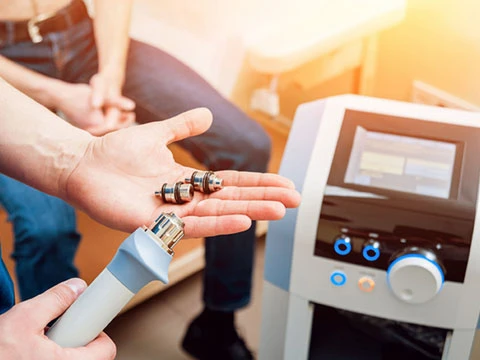
Shockwave Therapy
Low-intensity shockwave therapy is becoming an increasingly popular drug free ED treatment Cambridge option.
This non-invasive treatment helps stimulate the growth of new blood vessels and improve blood flow naturally.
Unlike medications that provide temporary results, shockwave therapy focuses on improving long-term vascular health.
Platelet-Rich Plasma (PRP) Therapy
PRP therapy uses healing components taken from the patient's own blood to support tissue repair and regeneration.
Some men choose PRP as a non-surgical treatment option for erectile dysfunction.
Hormone Therapy
If low testosterone is contributing to ED symptoms, hormone optimization may help restore libido, energy levels, and erectile function.
Treatment is customized based on each patient's test results and overall health.
Why Early Treatment Is Important
Many younger men avoid seeking help because they feel embarrassed or believe the problem will go away on its own.
Unfortunately, delaying treatment can allow underlying health conditions to worsen.
Erectile dysfunction may be an early warning sign of:
- Heart disease
- Diabetes
- High blood pressure
- Hormonal imbalances
- Mental health concerns
Early diagnosis and treatment can help prevent future complications and improve long-term health.
Finding the Right ED Treatment in Waterloo Region
Successful treatment starts with identifying the underlying cause of the problem.
Because every patient is different, treatment should be personalized rather than based on a one-size-fits-all approach.
Men seeking Waterloo Region ED treatment should choose a clinic that offers comprehensive evaluations, advanced diagnostic testing, and individualized treatment plans.
Whether ED is caused by stress, poor circulation, hormone imbalance, or lifestyle factors, modern treatment options can often restore confidence and improve quality of life.
Final Thoughts
Erectile dysfunction in younger men is more common than many people think. Although it can be frustrating and emotionally challenging, it is often treatable.
From stress and anxiety to hormone imbalances and circulation problems, many different factors can contribute to ED. The key is identifying the root cause and seeking professional guidance.
With today's advanced options for erectile dysfunction treatment Cambridge, many men achieve significant improvements without surgery and, in some cases, without relying solely on medication.
Taking action early can protect both your sexual health and your overall well-being.
Frequently Asked Questions
Can erectile dysfunction in your 20s or 30s be reversed?
Yes. Many younger men experience ED due to lifestyle habits, stress, anxiety, hormonal imbalances, or treatable medical conditions. Once the underlying cause is identified and addressed, erectile function often improves significantly.
Is stress really enough to cause erectile dysfunction?
Absolutely. Chronic stress can interfere with hormone production, blood flow, and nervous system signaling. Performance anxiety and psychological stress are among the most common causes of ED in younger men.
What is the best non-medication treatment for erectile dysfunction?
The most appropriate treatment depends on the cause. Lifestyle improvements, counselling, hormone management, and regenerative therapies such as shockwave therapy are commonly used for men seeking alternatives to medication.
When should I see an ED specialist?
If erection difficulties occur regularly for several weeks or months, or if symptoms are affecting your confidence or relationship, it is advisable to consult an ED specialist for a thorough evaluation.
Can erectile dysfunction be a sign of another health problem?
Yes. Erectile dysfunction may sometimes indicate conditions such as diabetes, cardiovascular disease, high blood pressure, hormonal imbalance, or metabolic disorders. For many men, ED serves as an early warning sign that warrants medical assessment.






























Sign in to leave a comment.