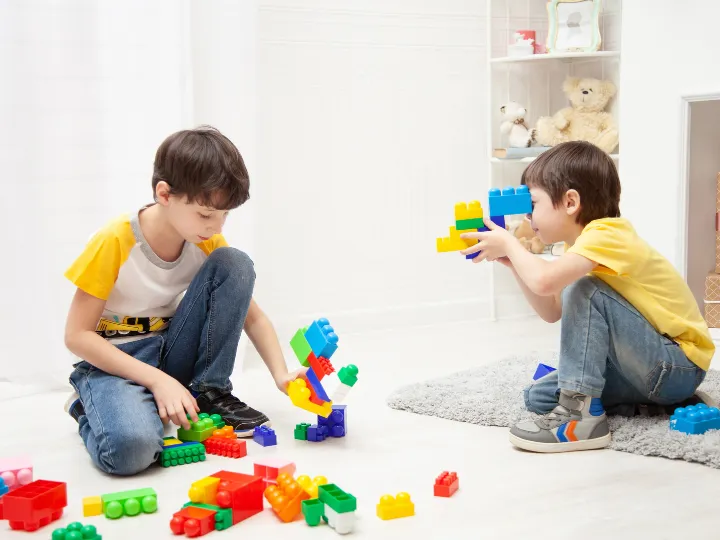

Starting school is an exciting milestone for children and their families. It marks the beginning of new learning experiences, friendships, and opportunities for personal growth. However, school readiness involves much more than knowing letters, numbers, and colours. Children also need a range of developmental skills that help them participate successfully in the classroom environment.
For some children, challenges in development may affect their readiness for school. A developmental delay assessment can provide valuable information about a child's strengths and areas where additional support may be beneficial before they begin their educational journey.
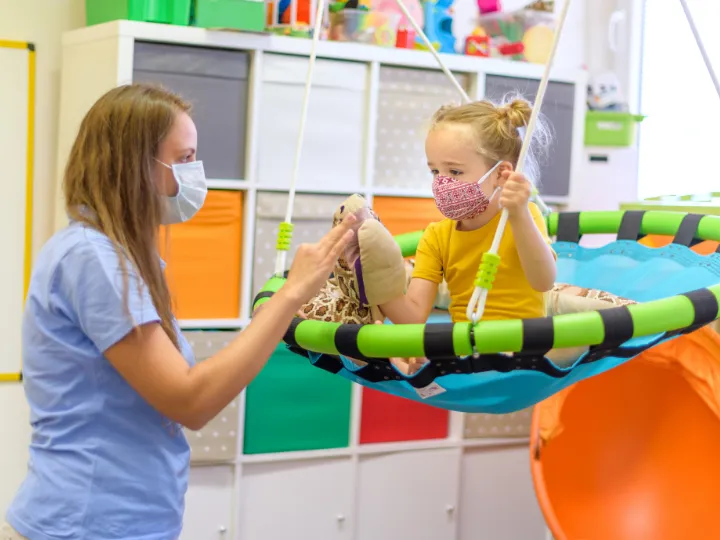
What Does School Readiness Mean?
School readiness refers to a child's ability to meet the physical, social, emotional, and cognitive demands of the school environment. It includes skills such as following instructions, managing routines, communicating effectively, participating in group activities, and completing age appropriate tasks independently.
Every child develops at a different pace, but difficulties in these areas may indicate the need for a developmental delay assessment to better understand their developmental needs.
Why Developmental Skills Matter for School
Children use developmental skills throughout the school day. Fine motor skills help with writing, drawing, and using classroom tools. Gross motor skills support playground activities, balance, and movement around the classroom. Communication skills enable children to express their needs, understand instructions, and engage with teachers and peers. Social and emotional skills help children build friendships, manage feelings, and adapt to new situations.
A developmental delay assessment can help identify whether any of these areas require additional support before school begins.
Signs a Child May Benefit from Assessment
Parents often notice concerns about development before school starts. Some signs that may suggest the need for a developmental delay assessment include:
- Difficulty following simple instructions
- Delayed speech or language development
- Challenges with attention and concentration
- Difficulty with fine motor tasks such as drawing or using scissors
- Problems with social interaction or emotional regulation
- Delays in self care skills such as dressing or managing belongings
Recognising these signs early allows families to seek guidance and better prepare their child for the transition to school.
How Assessment Supports School Preparation
A developmental delay assessment provides a detailed understanding of how a child is functioning across different developmental areas. The assessment identifies strengths while also highlighting areas that may benefit from targeted support.
This information can help families, educators, and professionals create strategies that support successful participation in school activities. Early identification often leads to better preparation and increased confidence when starting school.
Building Confidence Before School Begins
Confidence plays an important role in school readiness. Children who feel capable of managing daily tasks and participating in classroom activities are often more comfortable adapting to new environments.
A developmental delay assessment can help ensure that children receive the support they need to strengthen important skills before entering school. This preparation can make the transition smoother and more positive for both children and families.
Summary
School readiness involves a combination of physical, social, emotional, and learning skills that help children participate successfully in the classroom environment. A developmental delay assessment can provide valuable insight into a child's developmental progress and identify areas where support may be needed. By understanding a child's strengths and challenges early, families can help build the confidence and skills needed for a successful start to school.
FAQs
1. What is a developmental delay assessment?
A developmental delay assessment evaluates a child's progress across areas such as communication, motor skills, social development, learning, and daily living abilities.
2. Why is school readiness important?
School readiness helps children adapt to classroom routines, engage in learning activities, build friendships, and manage daily school expectations.
3. What skills are important for starting school?
Important skills include communication, attention, fine motor development, emotional regulation, social interaction, and independence.
4. How can a developmental delay assessment support school readiness?
The assessment identifies strengths and developmental challenges, helping families and educators provide appropriate support before school begins.
5. When should parents consider a developmental delay assessment?
Parents may consider an assessment if they have concerns about their child's developmental milestones, learning abilities, communication, or readiness for school.





























Sign in to leave a comment.