
What is an Emotional Support Animal (ESA)?
Let’s start with the basics. An Emotional Support Animal (ESA) is more than a regular pet. It’s a companion animal that helps individuals who are dealing with emotional, mental, or psychological conditions. While they don’t require special training like service animals, their value lies in offering comfort, grounding, and emotional balance during moments of distress.
ESAs can significantly improve the quality of life for people dealing with issues like anxiety, depression, PTSD, or chronic stress. Unlike service animals, ESAs are not trained to perform specific tasks or actions. Instead, their mere presence can help alleviate symptoms and provide a calming influence during emotional episodes.
Many people report feeling more secure, less lonely, and more capable of handling daily stressors when they have an ESA by their side. Whether it's a dog that senses a panic attack coming or a cat that offers unconditional comfort, the impact of an ESA is undeniable.
Difference Between ESA, Service Animals, and Therapy Animals
One of the biggest misconceptions people have is lumping ESAs, service animals, and therapy animals into the same category. Let’s break it down:
- Service Animals are highly trained to perform specific tasks for individuals with disabilities. For example, a guide dog for the visually impaired or a seizure alert dog. These animals have access to almost all public areas under the Americans with Disabilities Act (ADA).
- Therapy Animals are often brought into hospitals, schools, or disaster areas to offer comfort to multiple people. They work with their handlers but are not meant for personal or everyday companionship.
- Emotional Support Animals are prescribed to individuals by licensed mental health professionals to help cope with emotional or psychological conditions. They aren’t allowed in all public spaces like service animals, but they have certain protections under housing laws.
Understanding these distinctions is crucial because your legal rights and the responsibilities of others (like landlords or airlines) vary depending on which type of animal you have.
Why an ESA Letter is Crucial in California
An ESA letter isn’t just a formal note; it’s a legal document that grants you rights and protections. If you're living in California and require an ESA, this letter is the gateway to securing housing accommodations and potentially traveling with your emotional support animal.
Issued by a licensed mental health professional (LMHP), an ESA letter confirms that you have a legitimate emotional or psychological condition and that your animal provides necessary support. It enables you to bypass certain "no pets" policies in housing complexes and can sometimes be used when negotiating travel arrangements, although airline regulations have tightened in recent years.
With an ESA letter, landlords must provide “reasonable accommodation,” meaning they can’t charge pet fees, increase your rent, or deny you tenancy just because you have an ESA. However, the animal must not pose a threat, cause damage, or significantly disrupt other tenants.
ESA Letter California: What Makes It Different in 2025?
While ESA laws exist across the U.S., California has taken a more structured and protective approach to how ESA letters are issued and used. As of 2025, the updated ESA regulations continue to build on Assembly Bill 468 (AB 468) which aims to curb misuse and ensure ESA letters are only given when truly necessary.
Here are the most critical legal changes in California for ESA letters:
- Mandatory 30-Day Relationship: The licensed mental health professional must have a therapeutic relationship with you for at least 30 days before issuing the letter.
- Proper Evaluation Required: ESA letters must follow a clinical evaluation to confirm a legitimate need for emotional support animals.
- License Verification: The letter must contain the provider’s license number, type, state of issuance, and effective date.
- Disclosure Requirement: You must be informed (in writing or verbally) that misrepresenting an ESA as a service animal is a misdemeanor under California law.
These updates are designed to stop online scams and fast-track services that offer fake letters without a real diagnosis or mental health evaluation.
How to Qualify for an ESA Letter in California
Qualifying for an ESA letter is a legitimate process that involves interaction with a licensed professional. Here’s a quick rundown of how you can qualify:
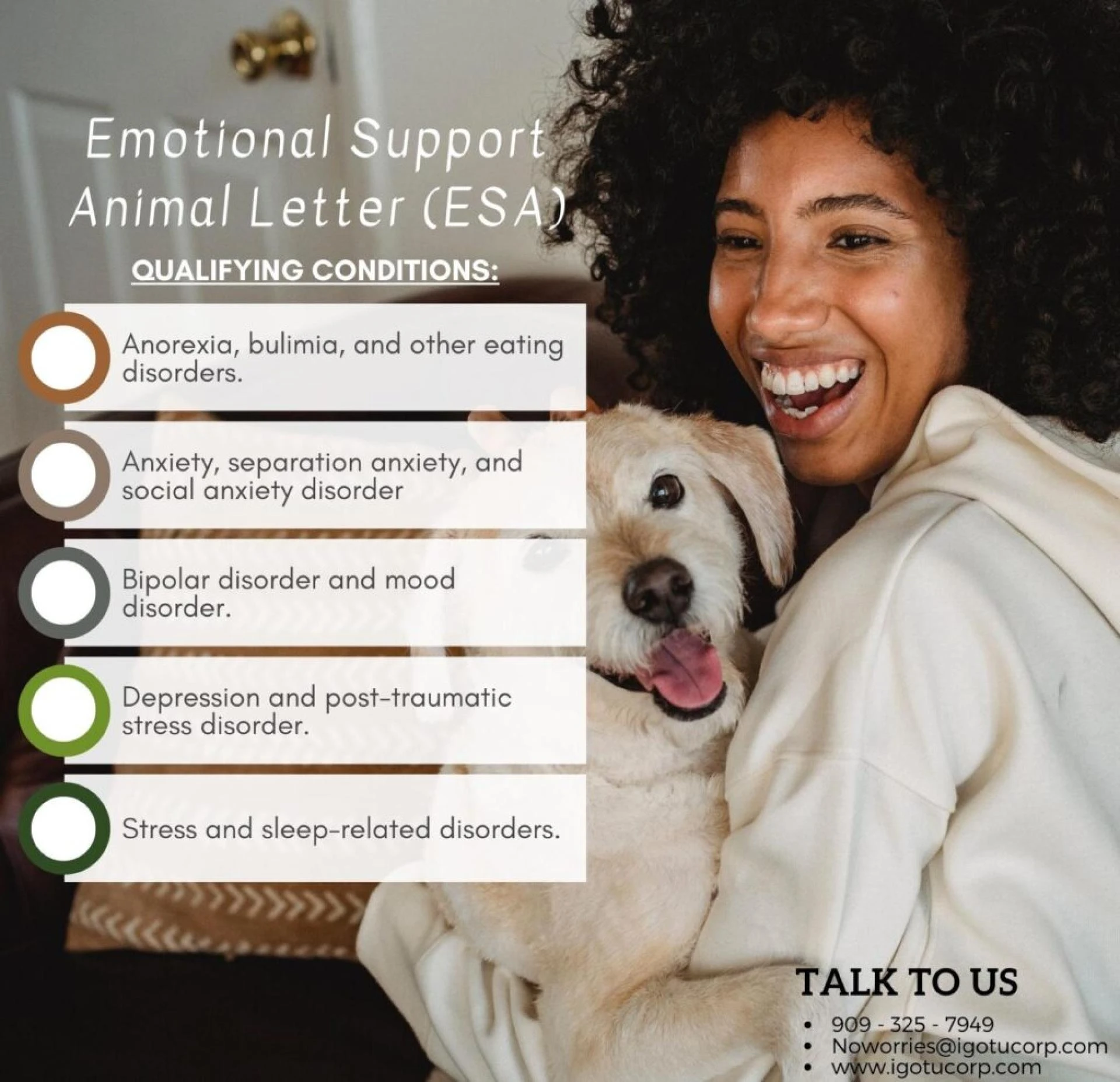
- You Must Have a Recognized Mental or Emotional Disability: These include anxiety, depression, PTSD, OCD, phobias, panic disorders, and more. Your condition doesn’t need to be debilitating, but it must interfere with daily life.
- Consult with a Licensed Mental Health Professional (LMHP): Only professionals like psychologists, psychiatrists, licensed therapists, or clinical social workers can issue an ESA letter. Family doctors and general practitioners typically don’t qualify.
- Build a Relationship with the Provider: According to California’s AB 468, you need to establish a 30-day therapeutic relationship before the LMHP can legally issue your ESA letter.
- Undergo a Clinical Evaluation: This ensures the professional understands your situation and can confirm that an ESA is an essential part of your emotional treatment.
A trusted organization like IGotUCORP can guide you through the legitimate process, ensuring you meet all state requirements while connecting you with licensed professionals.
The Step-by-Step Process of Getting an ESA Letter in California
Getting an ESA letter in California in 2025 isn’t a random online purchase—it’s a formal, clinically-backed process that involves legitimate mental health support. Here’s a simplified but thorough breakdown of the steps to help you secure a valid Emotional Support Animal letter legally and confidently:
Step 1: Recognize the Need for an ESA
Your journey begins when you realize that a pet isn’t just a companion—it’s a lifeline. If you’re struggling with anxiety, depression, PTSD, or other conditions, an ESA might provide the emotional stability you’re missing.
Step 2: Engage in Mental Health Counseling
Under California law, you must participate in mental health counseling with a licensed professional before receiving an ESA letter. That’s where adult mental health services become essential. These sessions help professionals assess your symptoms and determine if an ESA will benefit your mental well-being.
Step 3: Build a 30-Day Provider Relationship
California’s AB 468 law mandates that you maintain a therapeutic relationship with your provider for at least 30 days before they issue an ESA letter. This isn’t a one-off consultation—it’s a journey of emotional discovery.
Step 4: Undergo a Comprehensive Evaluation
During this relationship, your provider will evaluate your mental health history, current symptoms, and how an ESA might complement your treatment plan. This ensures that every Emotional Support Animal letter is based on real, clinically-backed data.
Step 5: Receive Your Legitimate ESA Letter
Once all steps are complete, you’ll receive a letter that includes:
- Your mental health condition (in general terms, not specifics)
- Confirmation that the ESA is part of your treatment plan
- The LMHP’s license number, state, and credentials
- Legal disclosures required by California law
Using a verified provider like IGotUCORP ensures you're not dealing with shady operators. They work exclusively with licensed therapists to provide ESA letters in California that meet every requirement.
The Role of Mental Health Counseling in ESA Recommendations
Mental health counseling isn’t just a box to check off—it’s the cornerstone of your ESA approval process in California. It ensures your emotional needs are truly understood and met, not just guessed at.
Why Counseling is a Must for ESA Letters
In the past, people could hop online and buy a generic Emotional Support Animal letter for a few bucks. But California cracked down with good reason. Fraudulent letters eroded the system and put genuine ESA users at risk. That’s why counseling is non-negotiable now.
Through real-time sessions—whether in person or via teletherapy—mental health professionals can:
- Diagnose your emotional condition
- Understand how symptoms affect your daily life
- Recommend therapeutic strategies, including the use of an ESA
How Counseling Helps Beyond Just ESA Approval
Many people report that adult mental health services provide lasting benefits that go far beyond acquiring an ESA. Regular counseling offers:
- Improved emotional regulation
- Coping tools for anxiety or panic attacks
- A safe space to explore trauma or depressive episodes
- Ongoing support even after receiving the ESA letter
Combining a therapeutic relationship with the emotional support of an ESA is like building a house with bricks and mortar—you need both to create something solid and long-lasting.
Choosing the Right Counseling Provider
Make sure your therapist is licensed in California and familiar with ESA law. Again, platforms like IGotUCORP take the guesswork out of it by connecting you directly with certified professionals who specialize in ESA letters in California.
The Emotional and Psychological Benefits of an ESA
Let’s be honest—life is hard. From work stress to relationship breakdowns, it’s no wonder so many people feel emotionally overwhelmed. That’s where an Emotional Support Animal can truly change lives.
Benefits for Anxiety and Depression
One of the most powerful impacts of having an ESA is the reduction in anxiety and depression symptoms. Just petting your ESA during a panic attack can help stabilize your heartbeat, slow down racing thoughts, and bring you back to the present moment.
Helping with PTSD and Emotional Regulation
For those dealing with trauma, an ESA can serve as a living reminder that you are not alone. They provide security, routine, and calm during moments of flashbacks or emotional turbulence.
A Companion in Times of Isolation
Especially for adults dealing with loneliness, chronic stress, or social anxiety, an ESA creates a consistent and comforting presence. They make it easier to leave the house, interact with others, and stick to a healthy daily routine.
Scientific Backing
Numerous studies confirm what ESA owners already know—interacting with animals can:
- Lower cortisol (stress hormone) levels
- Increase oxytocin (bonding hormone)
- Reduce blood pressure
- Improve focus and motivation
That’s why mental health counseling providers in California often consider ESA ownership as a valid component of holistic treatment.
ESA Letter Renewals and Validity in California
Here’s a pro tip: even if your ESA letter doesn’t list an expiration date, renewing it yearly is a smart move—especially in California.
How Long Does an ESA Letter Last?
Most ESA letters remain valid for 12 months, particularly when it comes to housing. Landlords are well within their rights to ask for a recent document to ensure it's still part of your current treatment plan.
When Should You Renew Your ESA Letter?
- Every 12 months (recommended)
- When changing residences
- If your condition changes or improves
- If your therapist relationship ends
Why You Need a Renewal
California law is strict about verifying the ongoing need for an ESA. Renewing your letter shows that:
- You’re still under a provider’s care
- Your ESA remains crucial to your well-being
- You comply with AB 468
Renewal services are often faster than the initial evaluation, especially if you continue working with the same provider. Platforms like IGotUCORP offer seamless annual renewal reminders so you never get caught off guard.
Housing Rights for ESA Owners in California
One of the strongest protections offered by an ESA letter in California is housing access. Whether you rent a house, condo, or apartment, the law is on your side.
Fair Housing Act (FHA) and California Law
Under the Fair Housing Act, landlords cannot:
- Reject you solely because of your ESA
- Charge extra deposits or pet rent
- Require your ESA to have special training
California goes a step further through the Fair Employment and Housing Act (FEHA), making these protections even more tenant-friendly.
What Landlords Can Legally Ask
They may:
- Request a copy of your valid ESA letter
- Verify the license and credentials of your provider
- Set reasonable rules for animal behavior (e.g., leash policies, noise control)
Tips for a Smooth Housing Process
- Always keep a printed and digital copy of your ESA letter
- Be transparent with landlords upfront
- Know your rights and don’t be afraid to educate others (politely, of course)
When you follow the legal process for obtaining your ESA letter, housing rejections are rare—and potentially illegal.
FAQs
1. How long does it take to get an ESA letter in California?
Usually, the process takes at least 30 days due to the required therapeutic relationship with your mental health provider.
2. Can I use an ESA letter from another state in California?
Yes, if it's from a licensed professional and includes all required information. However, you’ll still need to comply with California’s 30-day rule if you seek a new letter here.
3. Is an ESA letter valid forever?
No. ESA letters should be renewed annually, especially for housing purposes. Some landlords may require a recent letter (within the past 12 months).
4. Can any pet be an ESA?
Technically, yes—any animal that provides emotional support. But the animal must be manageable and suitable for your living environment.
5. What happens if my landlord refuses my ESA letter?
If your letter is valid, you’re protected under the Fair Housing Act. You can file a complaint with the California Department of Fair Employment and Housing (DFEH).






























Sign in to leave a comment.