
Importance of Regular Car Maintenance
Think of regular car maintenance as a health check-up for your vehicle. Just as you wouldn\'t skip your annual physical, your car needs routine care to prevent major issues down the road. Regular maintenance not only extends the life of your car but also enhances its performance and safety. Plus, staying on top of these services can save you money in the long run by avoiding costly repairs.
Oil Changes
Why Oil Changes are Crucial
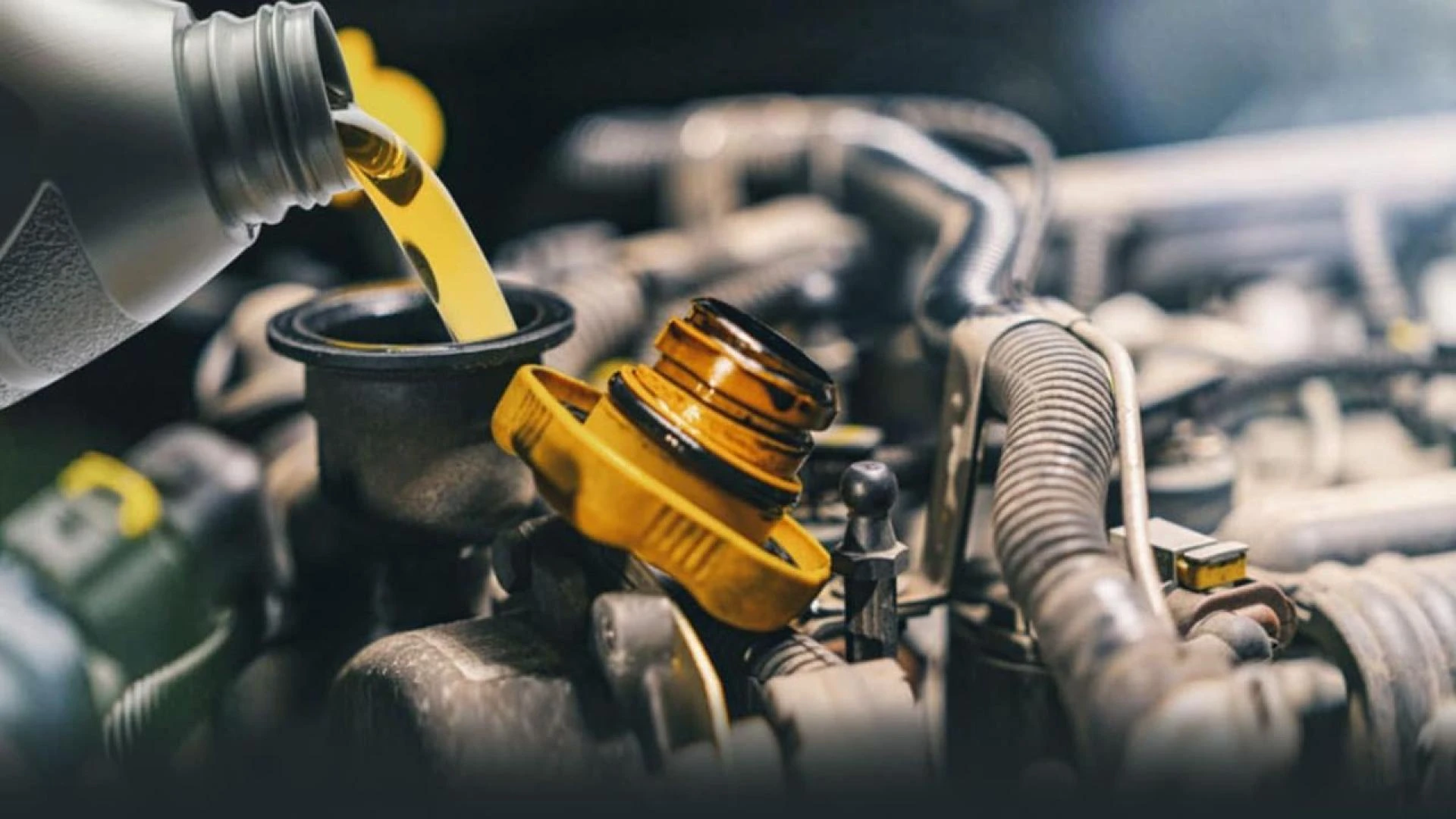
Oil is the lifeblood of your car\'s engine. It lubricates the moving parts, reduces friction, and helps keep the engine cool. Over time, oil breaks down and becomes less effective, which can lead to increased wear and tear on your engine. Regular oil changes are essential to keep your engine running smoothly.
How Often Should You Change Your Oil?
While the old rule of thumb was to change your oil every 3,000 miles, many modern vehicles can go longer between changes. Check your owner\'s manual for the manufacturer\'s recommendation, but a good guideline is to change your oil every 5,000 to 7,500 miles. Always opt for a professional car service to ensure it\'s done right.
Tire Maintenance
Checking Tire Pressure
Proper tire pressure is crucial for safety, fuel efficiency, and tire longevity. Under-inflated tires can lead to poor handling and increased wear, while over-inflated tires can cause a rough ride and uneven wear. Check your tire pressure monthly and before long trips, using the recommended pressure listed in your owner\'s manual or on the driver\'s door jamb.
Tire Rotation and Alignment
Rotating your tires every 6,000 to 8,000 miles helps them wear evenly and last longer. Alignment ensures that your wheels are set to the correct angles to reduce tire wear and improve handling. Regular rotations and alignments are vital parts of a professional car service.
Brake Services
Signs Your Brakes Need Attention
Your brakes are crucial for your safety. Common signs that your brakes need servicing include squeaking or grinding noises, a spongy brake pedal, or your car pulling to one side when braking. Don\'t ignore these signs—get them checked out immediately.
The Importance of Brake Fluid
Brake fluid transfers the force from your foot on the brake pedal to the brake pads. Over time, brake fluid can absorb moisture and lose effectiveness, leading to brake failure. Have your brake fluid checked and replaced as part of your regular professional car service.
Battery Maintenance
How to Check Your Battery
A dead battery can leave you stranded, so it\'s important to check it regularly. Look for corrosion on the terminals, ensure the connections are tight, and have your battery tested periodically.
When to Replace Your Battery
Most car batteries last about three to five years. If your battery is older or if you\'re having trouble starting your car, it might be time for a replacement. A professional car service can test your battery and recommend the best course of action.
Fluid Checks
Types of Fluids to Monitor
Your car relies on several fluids to operate smoothly, including engine oil, coolant, transmission fluid, brake fluid, and power steering fluid. Regularly check these fluids and top them up as needed.
How to Top Up Fluids
Refer to your owner\'s manual for the correct procedure to check and top up each fluid. If you\'re unsure, a professional car service can handle this for you.
Air Filter Replacement
Why Air Filters Matter
Air filters prevent dirt and debris from entering your engine, which helps it run more efficiently. A clogged air filter can reduce your car\'s performance and fuel economy.
How Often to Change Your Air Filter
Most manufacturers recommend changing the air filter every 12,000 to 15,000 miles, but this can vary based on driving conditions. Check your owner\'s manual or ask a professional car service for guidance.
Spark Plug Replacement
Symptoms of Worn Spark Plugs
Worn spark plugs can cause your engine to misfire, run rough, or have difficulty starting. If you notice these symptoms, it might be time to replace your spark plugs.
Replacing Spark Plugs
Replacing spark plugs is a relatively simple job, but it\'s best left to a professional car service to ensure it\'s done correctly.
Belt and Hose Inspection
Common Signs of Wear
Belts and hoses are essential for your engine\'s operation, but they can wear out over time. Look for cracks, fraying, or leaks, and replace them as needed.
When to Replace Belts and Hoses
Regular inspections can help you catch problems before they lead to a breakdown. Most belts and hoses should be replaced every 60,000 to 100,000 miles, depending on your vehicle and driving conditions. A professional car service can perform these inspections and replacements.
Transmission Services
Importance of Transmission Fluid
Transmission fluid lubricates and cools the moving parts of your transmission. Over time, it can become dirty and less effective, leading to shifting problems and potential transmission damage.
When to Service Your Transmission
Check your owner\'s manual for the recommended service interval, but a good rule of thumb is to have your transmission serviced every 30,000 to 60,000 miles. Always use a professional car service for transmission work.
Suspension and Steering
Signs of Suspension Issues
Your suspension system affects your car\'s handling and ride comfort. Common signs of suspension issues include a rough ride, uneven tire wear, and your car pulling to one side.
Maintaining Your Steering System
Regularly check your power steering fluid and have your steering system inspected during your routine professional car service.
Exhaust System Checks
Why Exhaust System Maintenance is Important
Your exhaust system reduces harmful emissions and noise, so keeping it in good condition is essential. Look for signs of rust, holes, or leaks.
Identifying Exhaust Leaks
A loud exhaust noise or a decrease in fuel efficiency can indicate an exhaust leak. Have your exhaust system checked by a professional car service if you notice these signs.
Cooling System Maintenance
Importance of Coolant
Coolant helps regulate your engine\'s temperature and prevents it from overheating. Check your coolant level regularly and top it up as needed.
How to Maintain Your Radiator
Keep an eye out for leaks, corrosion, or other damage to your radiator. Regularly flush your cooling system and replace the coolant according to your manufacturer\'s recommendations. A professional car service can help with this.
Professional Car Service
Benefits of Using a Professional Car Service
A professional car service offers expertise and equipment that most DIY mechanics don\'t have. They can diagnose problems accurately and perform repairs correctly, ensuring your car runs smoothly and safely.
Finding a Reliable Service Provider
Look for a service provider with good reviews, proper certifications, and experienced technicians. Ask for recommendations from friends or family to find a trustworthy professional car service.
Seasonal Maintenance Tips
Preparing Your Car for Winter
Winter can be harsh on your car, so prepare by checking your battery, tires, and antifreeze levels. Ensure your windshield wipers are in good condition and keep an emergency kit in your car.
Summer Car Care Tips
High temperatures can be tough on your car. Check your cooling system, air conditioning, and tire pressure regularly during the summer months. A professional car service can help you keep your car at the top






Sign in to leave a comment.