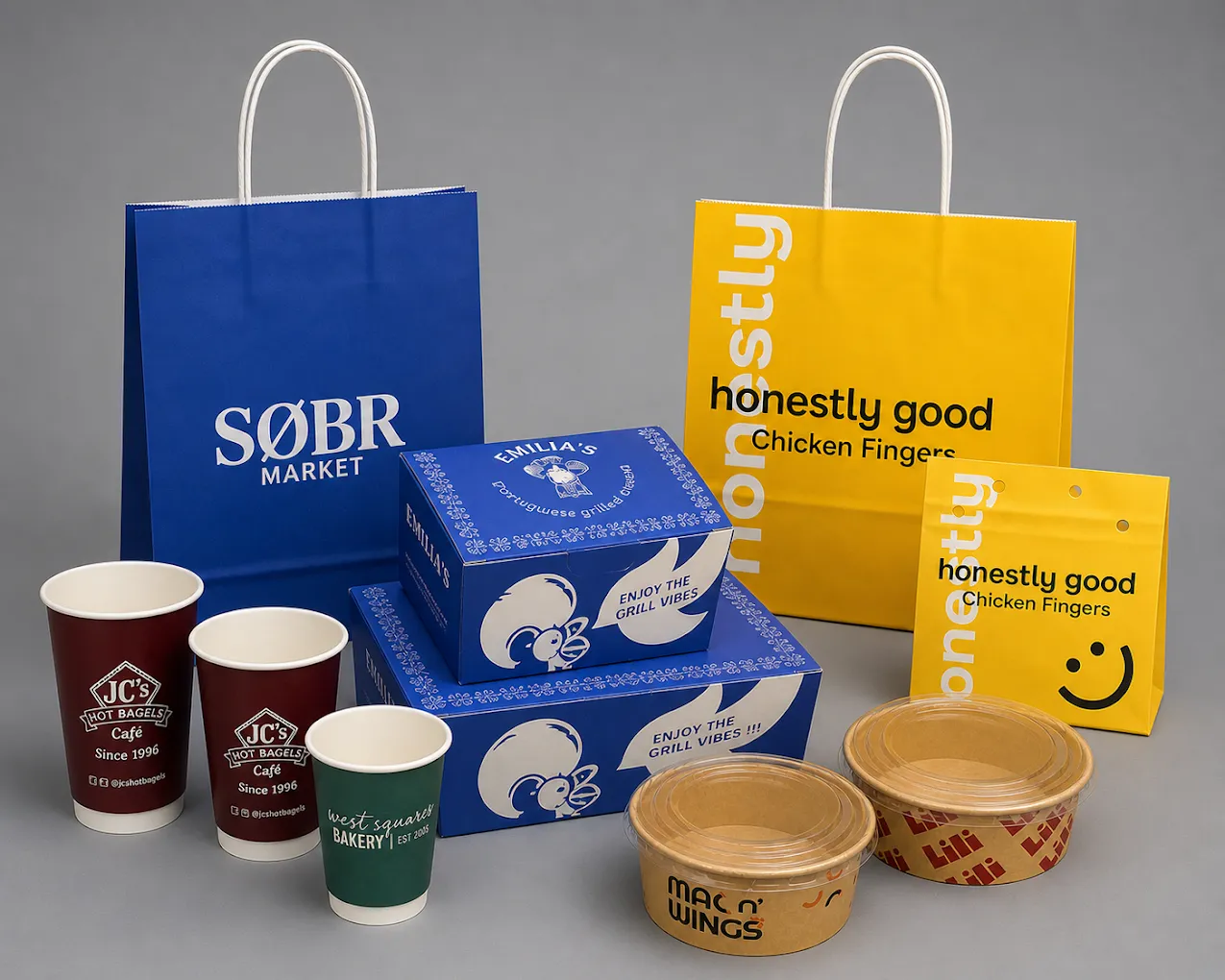

Why Packaging Is a Food Safety Frontline
When most people think about food safety, they picture kitchen hygiene and proper cooking temperatures. Yet packaging plays an equally vital role in keeping food safe from the moment it leaves the kitchen until it reaches the customer. For restaurants, caterers, and food retailers, packaging is the final barrier protecting carefully prepared food from contamination, spoilage, and damage. Overlooking this responsibility can put customers at risk and a business's reputation in jeopardy.
The Stakes Involved
A single food safety incident can have devastating consequences, from illness and legal liability to lasting reputational harm. Packaging that fails to protect food properly undermines all the care taken in preparation, making it a critical link in the safety chain.
Preventing Contamination
The primary purpose of food safety packaging is to keep harmful elements away from food.
Choosing Food-Grade Materials
Not all packaging is suitable for direct food contact. Food-grade materials are manufactured to strict standards that prevent harmful substances from leaching into food. Using approved containers ensures that the packaging itself does not become a source of contamination, a fundamental requirement no business should compromise.
Tamper-Evident Solutions
In an era of delivery and takeaway, customers want assurance that their food has not been interfered with. Tamper-evident seals and packaging provide visible proof that an order arrives exactly as it left the kitchen. A sealed delivery container reassures customers and protects businesses from disputes.
Maintaining Temperature and Freshness
Packaging plays a crucial role in keeping food at safe temperatures and preserving quality.
Insulated and Thermal Packaging
Hot foods must stay hot and cold foods cold to remain safe and appetizing. Insulated packaging maintains temperatures during transport, which is especially important for delivery services. A caterer transporting hot meals across the city relies on thermal packaging to ensure food arrives safe to eat.
Barrier Protection Against Spoilage
Packaging that shields food from air, moisture, and light slows spoilage and extends shelf life. For retailers selling packaged foods, effective barrier protection preserves freshness and reduces waste, benefiting both safety and the bottom line.
Handling Specific Food Types
Different foods present unique packaging challenges that demand tailored solutions.
Managing Liquids and Sauces
Soups, sauces, and beverages require leak-proof packaging to prevent spills and contamination. Secure lids and sturdy containers keep liquids contained during transport, protecting both the food and the customer's experience. Reliable suppliers help businesses match packaging to these demanding applications.
Separating Components
Some dishes benefit from packaging that keeps components apart until eating, preserving texture and quality. Compartmentalized containers prevent a crisp salad from becoming soggy beside a hot dish, maintaining both safety and appeal. Working with an experienced Packaging Company Toronto gives food businesses access to specialized solutions designed for these specific safety challenges.
Compliance and Best Practices
Meeting safety standards requires ongoing attention and proper procedures.
Understanding Regulations
Food packaging is subject to health and safety regulations that businesses must follow. Staying informed about these requirements ensures compliance and protects against penalties. Reputable suppliers can guide businesses toward compliant materials suited to their needs.
Proper Storage and Handling
Even the best packaging fails if stored or handled improperly. Keeping packaging materials clean, dry, and protected before use prevents contamination before food is even added. Training staff in correct handling completes the safety picture.
Protecting Customers and Reputation
Food safety packaging is far more than a regulatory box to tick; it is a fundamental responsibility that protects customers and safeguards a business's future. By choosing food-grade materials, employing tamper-evident and temperature-controlling solutions, and addressing the specific demands of different foods, businesses ensure that the care taken in the kitchen extends all the way to the customer. Compliance and proper handling reinforce these efforts, creating a comprehensive approach to safety. In a competitive market where trust is everything, businesses that prioritize food safety in their packaging demonstrate genuine care for their customers, earning the confidence and loyalty that sustain long-term success.





























Sign in to leave a comment.