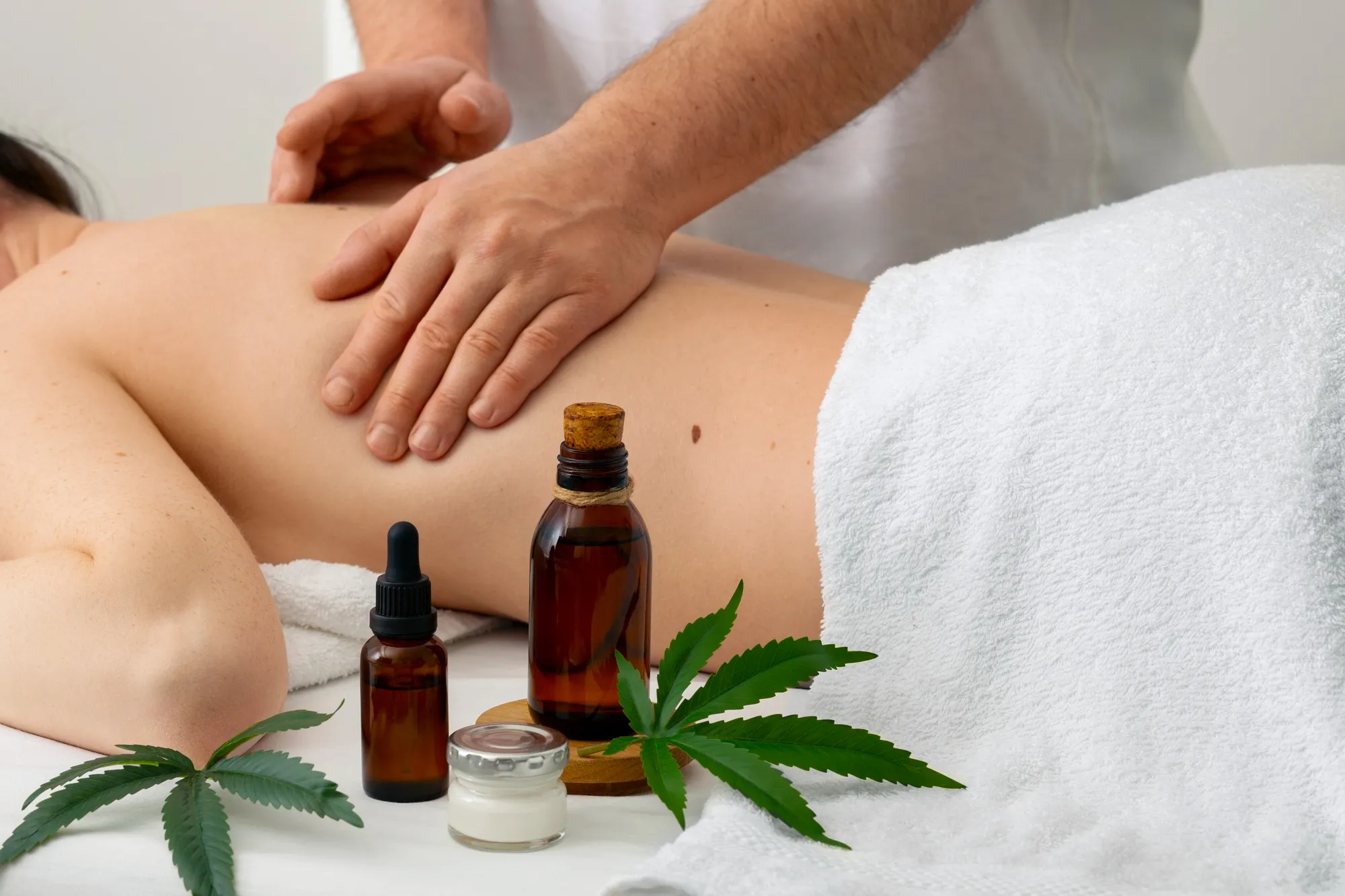

Stepping into a spa or wellness clinic, the menu of services can sometimes feel overwhelming. You know your body needs relief—your shoulders are tight, your mind is racing, and you just want to unplug. As you browse the options, two choices frequently stand out: a standard Swedish or deep tissue massage and an aromatherapy or essential oil massage.
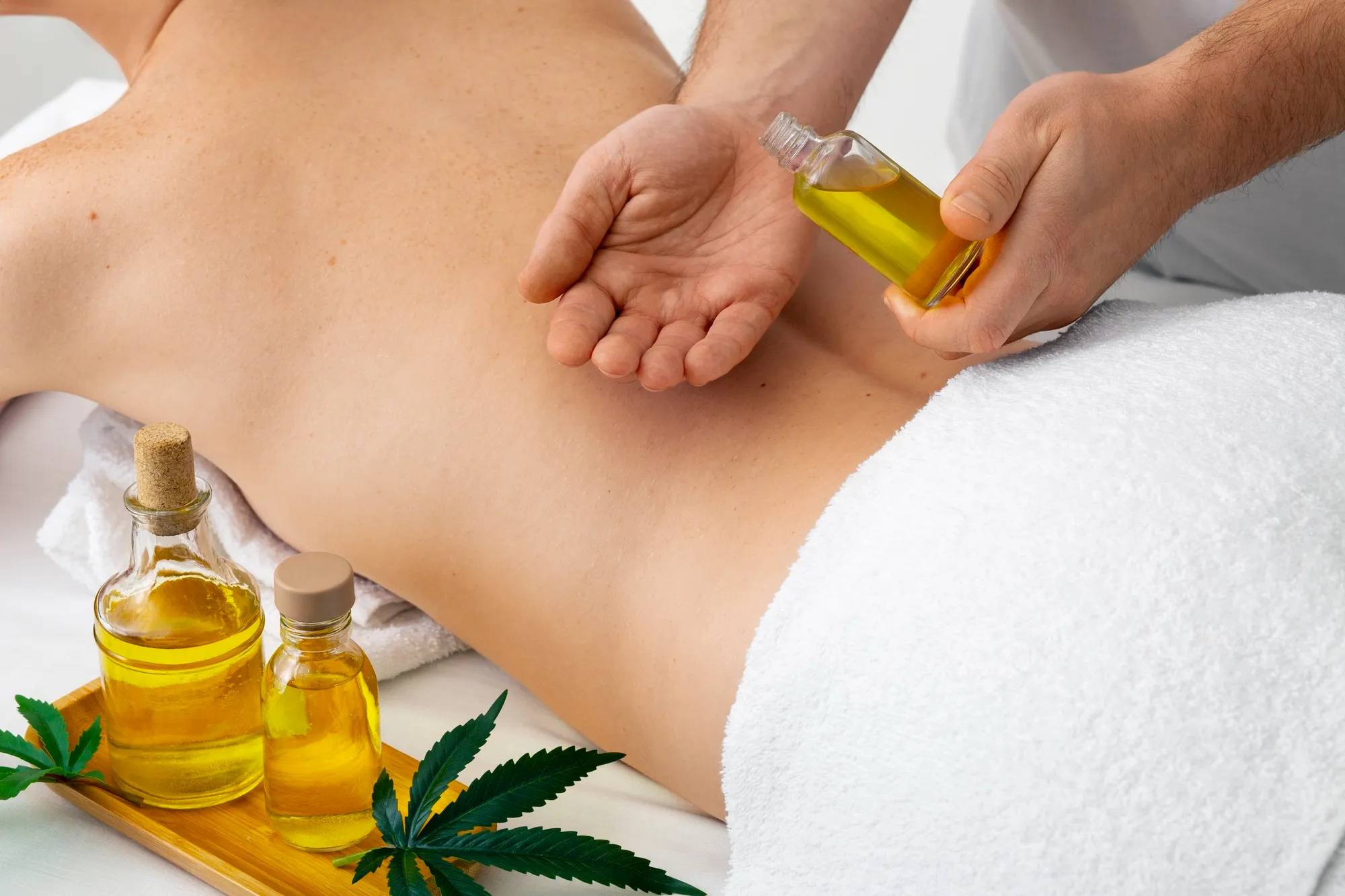
At first glance, they might seem nearly identical. After all, both involve a quiet room, relaxing music, and a skilled therapist working out the knots in your muscles. However, the experience, the physiological mechanisms at play, and the ultimate results of these two treatments are distinctly different.
Let's break down the core differences between an essential oil massage and a regular massage so you can choose the perfect treatment for your wellness goals.
What is a Regular Massage? Focus on Physiology
A regular massage—typically encompassing modalities like Swedish, deep tissue, or sports massage—is fundamentally a physical, mechanical treatment. The primary tool of the therapist is pressure, manipulation, and movement.
The therapist uses a neutral, unscented carrier oil or lotion (such as jojoba, fractionated coconut oil, or grapeseed oil) purely to reduce friction on your skin. The oil itself doesn't possess therapeutic properties; it simply allows the therapist's hands to glide smoothly over your muscle groups.
Key Characteristics of a Regular Massage:
- Targeted Structural Relief: The main goal is to manipulate soft tissue, break up adhesion zones ("knots"), and stretch tight muscles.
- Circulatory Boost: The physical strokes encourage blood flow and lymphatic drainage mechanically.
- Customized Pressure: It can range from light, relaxing strokes to intense, deep-tissue trigger point therapy.
What is an Essential Oil Massage? A Multisensory Approach
An essential oil massage, often called an aromatherapy massage, takes the physical foundation of a regular massage and infuses it with the chemical power of plants. Essential oils are highly concentrated plant extracts derived from flowers, leaves, bark, and roots.
In this treatment, the choice of oil is just as important as the massage technique itself. The therapist blends a few drops of specific essential oils into the carrier oil, selecting them based on your current physical and emotional needs.
How It Works: The Dual Pathway
An essential oil massage works through two distinct pathways simultaneously:
- Inhalation: As the therapist works, the heat of your body warms the oils, releasing volatile aromatic compounds into the air. When you breathe them in, they stimulate your olfactory system, which connects directly to the limbic system—the emotional center of your brain that regulates heart rate, blood pressure, stress levels, and memory.
- Dermal Absorption: Essential oil molecules are incredibly small. When applied to the skin, they penetrate the lipid layers and enter your bloodstream, delivering localized anti-inflammatory, analgesic, or soothing benefits directly to the tissue.
Head-to-Head: Comparing the Key Differences
To help you decide which treatment fits your schedule, let's compare how they stack up across different categories:
| Feature | Regular Massage | Essential Oil Massage |
| Primary Goal | Muscle relaxation, tension release, injury recovery. | Stress relief, mood enhancement, holistic balancing. |
| Medium Used | Plain, unscented lotion or oil. | Customized plant-extract blends in a carrier oil. |
| Senses Engaged | Touch and proprioception. | Touch, sight, and a heavy emphasis on smell. |
| Technique | Can include vigorous or very deep pressure. | Typically uses lighter, rhythmic Swedish strokes to aid oil absorption. |
When to Choose a Regular Massage
A standard massage is your best bet if your issues are primarily mechanical and physical. You should book a regular massage if:
- You are recovering from a specific sports injury or intense workout.
- You have chronic, localized pain that requires deep, targeted pressure.
- You have sensitive skin, allergies, or a strong aversion to fragrances.
- You prefer a straightforward, no-frills focus on physical tissue manipulation.
When to Choose an Essential Oil Massage
An essential oil massage is a holistic experience designed to treat the mind and body as one. You should opt for an aromatherapy massage if:
- You are battling chronic stress or burnout: Oils like Lavender, Chamomile, and Bergamot are clinically proven to lower cortisol levels.
- You need an energy boost: If you feel sluggish, a blend featuring Sweet Orange, Peppermint, or Eucalyptus can awaken your senses.
- You experience systemic inflammation: Oils like Frankincense, Ginger, and Rosemary can help soothe aching, arthritic joints from the inside out.
- You struggle with insomnia: A late-afternoon or evening essential oil massage can prep your nervous system for deep, restorative sleep.
Elevate Your Wellness with All Four Seasons LLC
Whether your body is crying out for the deep, structural relief of a traditional massage or the deeply relaxing, mind-soothing benefits of an essential oil treatment, the most important step is choosing a skilled practitioner who can tailor the session to you.
At All Four Seasons LLC, we believe that self-care isn't a luxury—it's a vital component of living a balanced, healthy life. Our experienced therapists are here to help you navigate your wellness journey, season by season.




























Sign in to leave a comment.