
Chronic pain affects millions of people worldwide, diminishing quality of life and limiting daily activities. Unlike acute pain that signals injury and resolves with healing, chronic pain persists long after initial damage has repaired, becoming a condition in itself. While pharmaceutical pain management has its place, many people seek complementary approaches that address pain without the side effects and dependency risks of long-term medication use. Pure castor oil for skin and inflammation combined with targeted essential oils offers gentle yet effective support for managing chronic discomfort.
Understanding pain's complexity helps explain why essential oils can help. Pain isn't simply a physical sensation traveling from body to brain. It involves emotional components, memory, attention, and nervous system sensitization. Chronic pain actually changes the nervous system, making it more reactive and lowering the threshold for pain signals. This phenomenon, called central sensitization, means effective pain management must address not just the original injury site but the entire nervous system's response pattern.
Essential oils work on multiple pain pathways simultaneously. Some oils contain compounds with direct analgesic properties that reduce pain signaling. Others address inflammation that contributes to tissue irritation and discomfort. Still others calm the nervous system's overactive pain response, essentially turning down the volume on pain signals. This multi-faceted approach makes aromatherapy particularly valuable for complex chronic pain conditions that resist single-target interventions.
Peppermint oil demonstrates powerful pain-relieving properties, particularly for headaches and muscle soreness. The menthol content creates a cooling sensation that effectively blocks pain signals through a process called gate control theory. When you apply diluted peppermint oil to painful areas, the cooling sensation activates large nerve fibers that essentially close the gate to smaller pain-signal fibers. Additionally, menthol has direct analgesic effects independent of the cooling sensation. Understanding this chemistry helps explain peppermint's effectiveness.
Lavender offers different pain-relieving mechanisms. Rather than blocking pain signals, lavender modulates the nervous system's response to pain. Research shows that inhaling lavender can reduce pain perception and decrease the amount of conventional pain medication needed. The calming effect on the nervous system helps break the cycle where pain causes stress, which increases pain sensitivity, which causes more stress. For conditions like fibromyalgia where stress and pain feed each other, lavender's dual action makes it particularly valuable.
Frankincense and myrrh, the ancient resinous oils, contribute powerful anti-inflammatory action. Many chronic pain conditions involve ongoing inflammation that perpetuates tissue damage and pain signals. Frankincense contains boswellic acids that inhibit inflammatory pathways at the cellular level. When applied topically in proper dilution or inhaled regularly, frankincense helps reduce the inflammation driving pain. Myrrh adds antimicrobial properties valuable when chronic wounds or infections contribute to pain.
Creating effective pain management blends requires understanding individual oil properties and how they work together. A general chronic pain blend might combine peppermint for direct pain relief, lavender for nervous system calming, and frankincense for anti-inflammatory action. Diluted in organic carrier oils at appropriate percentages, this combination addresses pain from multiple angles simultaneously.
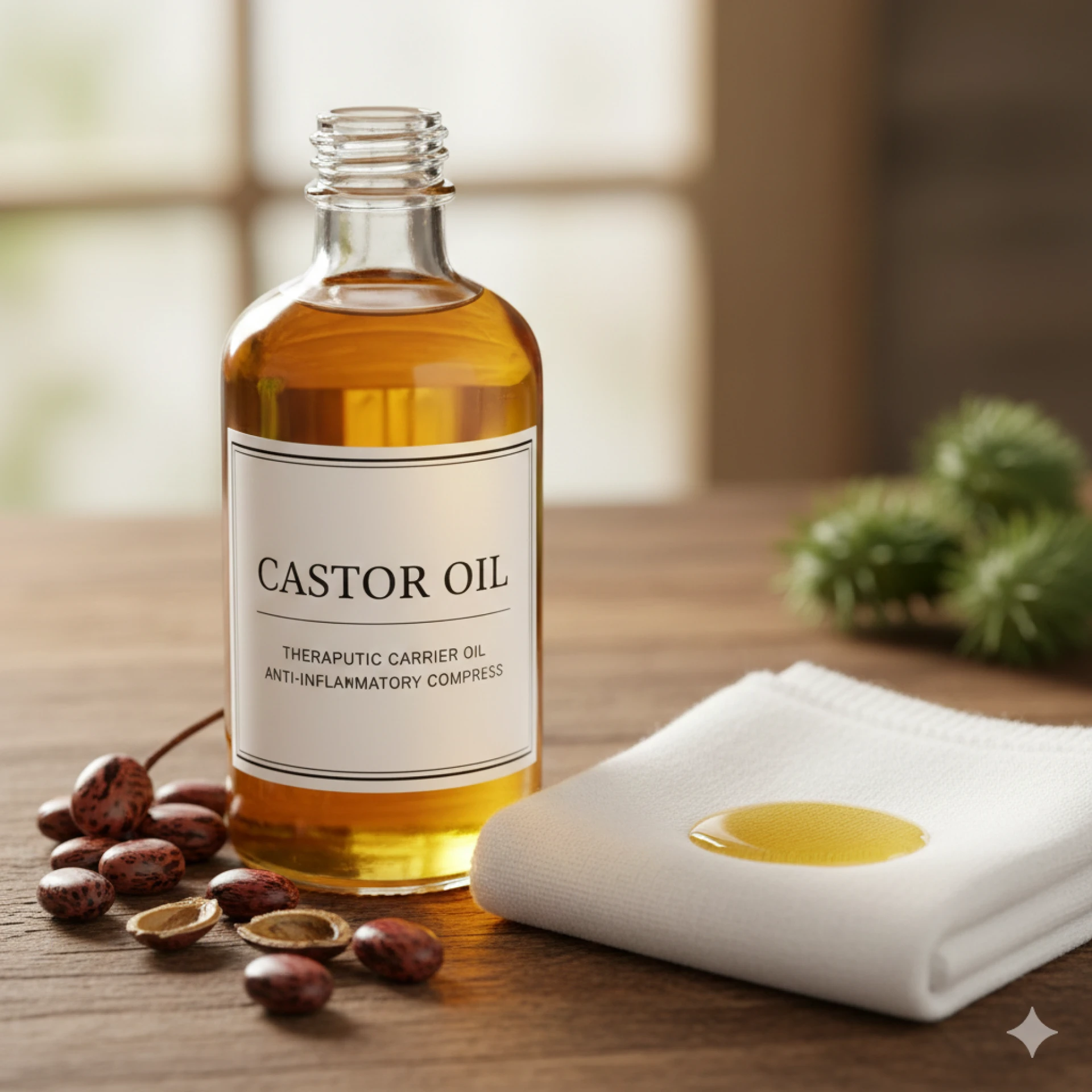
Castor oil deserves special mention in chronic pain management. This thick, unusual oil contains ricinoleic acid, a fatty acid with remarkable anti-inflammatory and analgesic properties. Castor oil packs, a traditional therapy experiencing modern revival, involve saturating cloth with castor oil, applying it to painful areas, covering with plastic wrap, and applying heat for thirty to sixty minutes. This treatment delivers concentrated castor oil deep into tissues, providing relief that can last hours or days.
Many people find combining castor oil packs with essential oils enhances effectiveness. Add a few drops of pain-relieving oils like peppermint, lavender, or frankincense to the castor oil before saturating the cloth. The essential oils contribute their therapeutic properties while castor oil carries them deep into tissues. This combination addresses both surface and deep pain more effectively than either alone.
Application timing affects results. For chronic pain, consistent daily application works better than occasional use. The cumulative effect of regular aromatherapy builds over time as inflammation decreases and nervous system sensitivity recalibrates. Think of essential oils as tools for gradually shifting your baseline pain level rather than quick fixes for immediate relief, though many people do experience rapid improvement.
The emotional dimension of chronic pain requires attention alongside physical treatment. Living with constant discomfort affects mood, relationships, sleep, and sense of self. Essential oils that address emotional aspects of pain contribute to comprehensive management. Rose oil brings comfort and self-compassion when pain makes you feel betrayed by your body. Bergamot lifts mood and reduces the depression that often accompanies chronic pain. These emotional supports are every bit as important as physical pain relief.
Chronic pain often disrupts sleep, creating a vicious cycle where pain prevents rest, lack of rest increases pain sensitivity, making pain worse, preventing rest. Essential oils for stress relief and sleep become crucial components of pain management. Better sleep supports the body's natural healing processes, reduces stress hormones that amplify pain, and improves pain tolerance. A bedtime routine incorporating pain-relieving oils for topical application and sedating oils for diffusion addresses both sleep and pain simultaneously.
Mindfulness practices enhance aromatherapy's effectiveness for chronic pain. Using oils during meditation, breathing exercises, or body scans creates associations between scent and relaxation. Over time, simply inhaling your chosen oils triggers the relaxed state you've practiced, providing rapid access to pain relief even in difficult moments. This scent anchoring turns oils into portable pain management tools you can access anywhere, anytime.
Individual variation means what works brilliantly for one person may not help another. Pain conditions vary in their underlying mechanisms. Personal biochemistry affects how you respond to different oils. Scent preferences matter too; an oil you find unpleasant won't provide the stress-reducing benefits essential for pain management. Experimenting with different oils and combinations, keeping careful notes about what helps, builds your personalized pain management protocol.
Safety considerations apply, especially for long-term topical use. Proper dilution prevents skin sensitization that could develop with repeated application of undiluted oils. Rotating different oils rather than using the same one daily can prevent habituation and maintain effectiveness. Consulting with healthcare providers ensures aromatherapy complements rather than interferes with other treatments. The FAQ provides detailed safety guidance.
Realistic expectations support sustainable practice. Essential oils provide meaningful pain relief for many people, but they're not magic cure-alls. Some days you'll experience significant improvement, others less so. This variability is normal and doesn't mean the oils aren't working. Chronic pain fluctuates regardless of treatment. Tracking overall trends rather than day-to-day variations gives clearer picture of effectiveness.
Integrating aromatherapy into comprehensive pain management that includes appropriate medical care, physical therapy, movement practices, nutrition, and stress management creates best outcomes. Essential oils enhance rather than replace these foundations. Think of them as valuable tools in a complete toolkit rather than standalone solutions. This integrated approach addresses chronic pain's complexity through multiple complementary interventions.
The gentle nature of aromatherapy makes it particularly suitable for long-term use. Unlike pharmaceutical pain relievers that can damage organs with extended use or create dependency, pure essential oils used properly pose minimal risks. This safety profile means you can incorporate them into daily life indefinitely without the concerns that come with long-term medication use. For people facing lifetime pain management, this sustainability makes aromatherapy especially valuable.
Living with chronic pain requires developing a relationship with discomfort that doesn't involve constant fighting or fixing. Essential oils support this process by offering comfort without demanding pain's complete elimination. They honor pain as information while still providing relief. This balanced approach recognizes that while pain may not disappear completely, quality of life can absolutely improve. In this gentler framework, essential oils become allies in learning to live well despite pain, transforming the daily experience from one of constant struggle to one where beauty, comfort, and moments of ease remain possible.













Sign in to leave a comment.