

Pile driving is a foundational element in construction, ensuring structures possess the stability and support required for long-term endurance. The process involves driving piles into the ground to provide foundational support, necessitating precision and attention to detail. Equipment like excavator-mounted vibratory hammers and diesel pile hammer is instrumental in achieving successful pile-driving outcomes. Here, we explore the essential points to observe during the pile-driving process, ensuring your projects are efficient and secure.
Read Also :- What Is The Purpose Of Pile Driving In Construction?
Understanding the Key Equipment
Excavator Mounted Vibratory Hammers
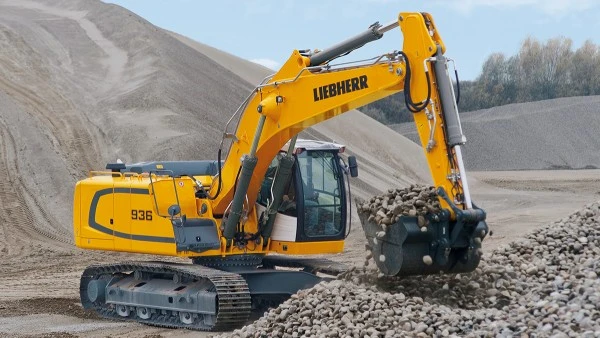
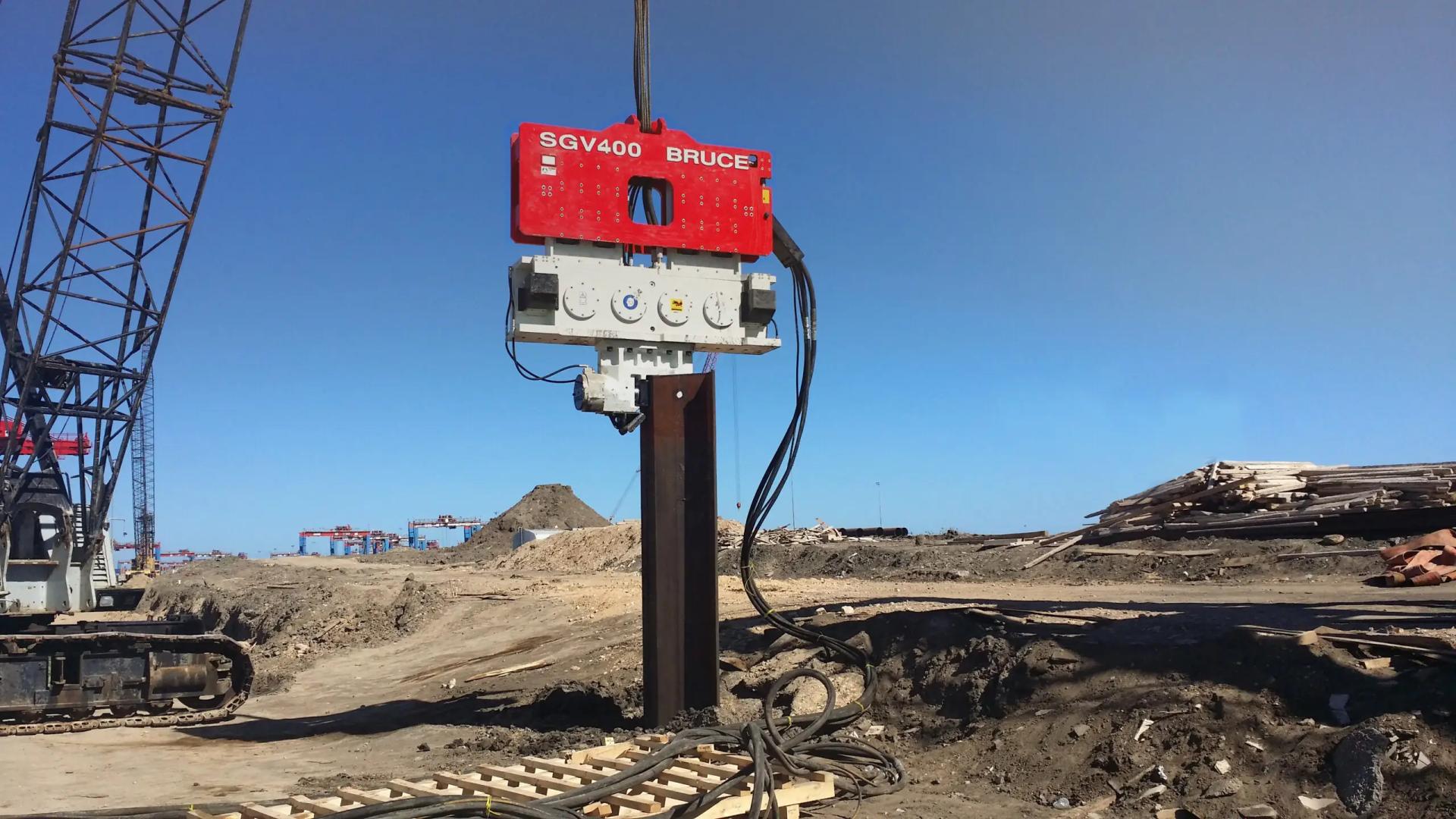
Excavator-mounted vibratory hammers are versatile tools used in the pile-driving process. They employ rapid, vertical vibrations to insert piles into the soil effectively. This equipment is particularly advantageous for projects in urban areas due to its relatively low noise levels.
- Functionality: Utilizes vibrations to reduce soil resistance, allowing piles to penetrate the ground smoothly.
- Advantages:
- Easy attachment to standard excavators
- Reduces noise pollution
- Efficient in handling various soil types
- Selection Criteria: Choose based on soil conditions and pile type to ensure optimal performance.
Diesel Pile Hammers
Diesel pile hammers are another critical tool in pile driving. They are known for their power and effectiveness in driving piles deep into the earth.
- Mechanism: Utilizes an internal combustion engine to deliver high-impact force, driving piles into the ground.
- Benefits:
- High energy output
- Effective in hard or dense soils
- Operational Tips: Regular maintenance is crucial. Ensure proper fuel management to avoid operational hiccups.
Key Considerations for Successful Pile Driving
Pre-Driving Preparations
Before initiating the pile driving process, careful planning and preparation are essential to ensure success.
- Site Assessment: Conduct a thorough site evaluation to determine the type of piles needed and the most suitable driving method.
- Equipment Inspection: Check all machinery, including the vibratory hammer for the excavator, to ensure they are in proper working order.
- Safety Measures: Implement comprehensive safety protocols to protect the workforce and machinery.
During the Pile Driving Process
Monitoring and Control
Real-time monitoring is crucial during pile driving to ensure everything proceeds as planned.
- Vibration Levels: Constantly monitor to prevent excessive vibrations that could damage surrounding structures.
- Pile Alignment: Ensure piles are driven straight to the correct depth for stability.
- Force Application: Adjust the force exerted by the vibratory pile driver for the excavator to match the soil conditions and pile type.
Communication and Coordination
Effective communication among the team is vital for seamless operations.
- Team Coordination: Ensure all team members know their roles and responsibilities.
- Feedback Loop: Establish a system to receive and act on feedback regarding equipment functionality and site conditions.
Post-Driving Evaluation
After pile driving, evaluating the work done is crucial to ensure the foundations are secure.
- Inspection: Check all piles for alignment and any signs of damage.
- Documentation: Keep comprehensive records of the process, including equipment used and conditions encountered.
- Review: Analyze the process to identify any areas for improvement in future projects.
Addressing Common Challenges
Overcoming Soil Resistance
Challenge: Dense or resistant soils can impede pile driving.
- Solution: Use diesel pile hammers for their high penetration capability in tough soils. Adjust driving techniques based on feedback from site conditions.
Managing Noise and Vibration
Challenge: Excessive noise and vibrations can be disruptive, particularly in urban settings.
- Solution: Opt for excavator-mounted hammers to minimize noise and vibration. Consider implementing noise barriers where necessary.
Preventing Equipment Breakdowns
Challenge: Unexpected equipment failures can cause costly delays.
- Solution: Regular maintenance schedules should be adhered to, and backup equipment should be available to avoid downtime.
Read Also :- The Right Choice For Construction: Excavator-Mounted Vibratory Hammer
Technological Advancements in Pile Driving
Smart Technology Integration
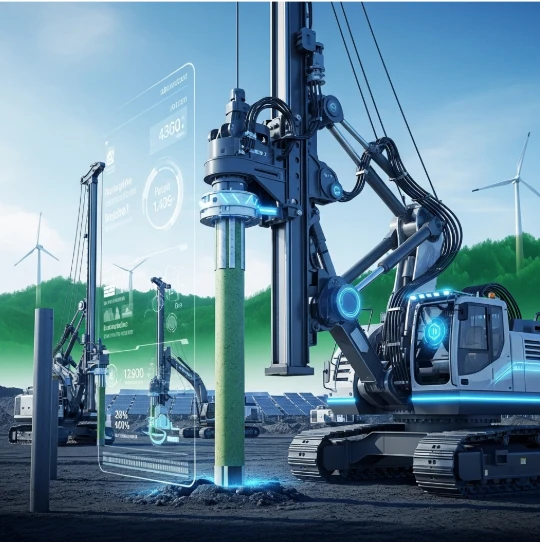
Smart controls in modern excavator-mounted vibratory hammers allow for improved precision and efficiency.
- Benefits: Real-time monitoring and data collection facilitate better decision-making and operational adjustments.
Use of Advanced Materials
Innovations in materials for piles and driving equipment enhance performance and durability.
- Impact: Longer-lasting equipment and more reliable foundations contribute to successful construction outcomes.
Final Words
The pile-driving process is a complex yet critical step in construction projects. By understanding the capabilities and correct usage of equipment like excavator-mounted vibratory hammers and diesel pile hammers and adhering to best practices throughout the process, construction professionals can ensure the successful implementation of foundational structures. Incorporating modern technologies and materials further enhances the efficiency and effectiveness of pile driving, paving the way for strong and long-lasting construction projects.



























Sign in to leave a comment.