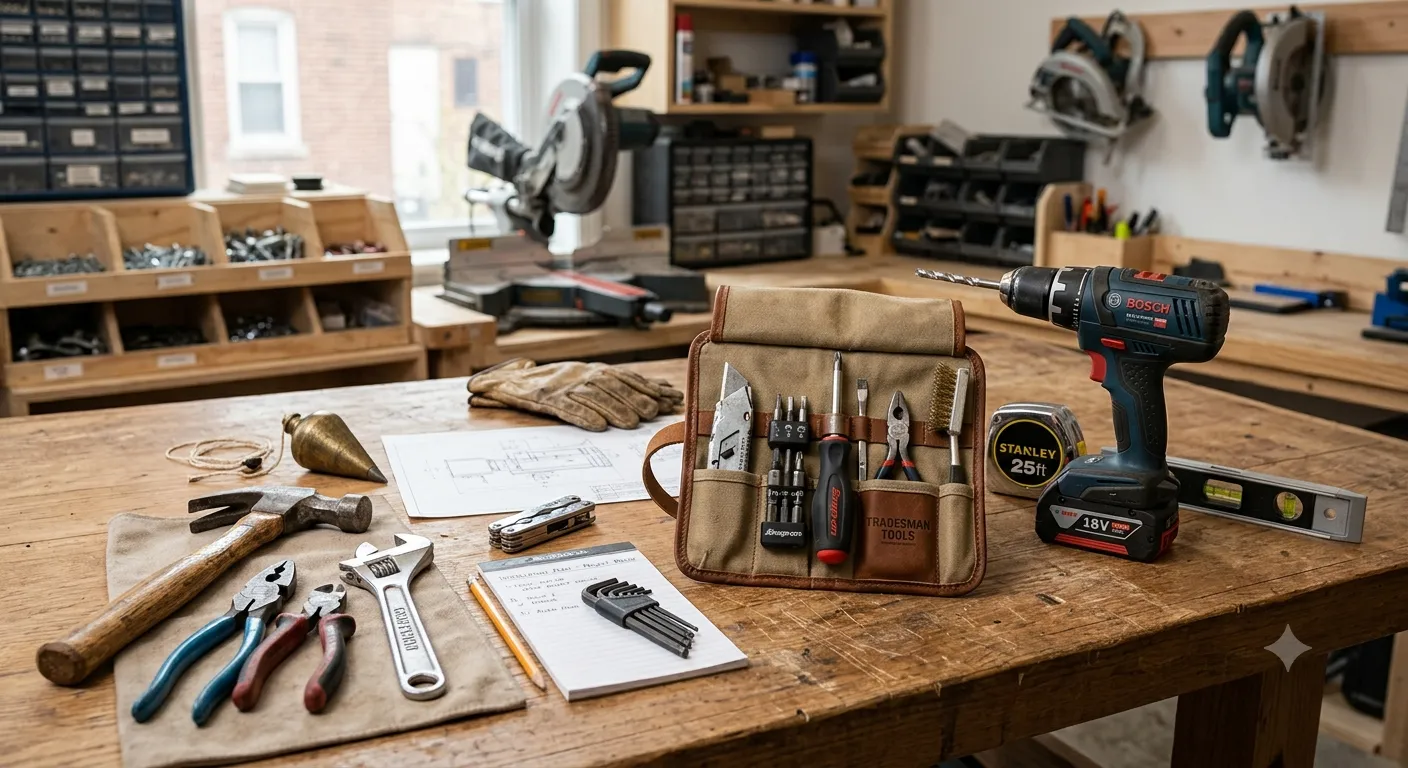

The modern professional knows that quality equipment is the backbone of efficient, reliable work. In industries ranging from automotive repair to construction and manufacturing, professional tools and accessories represent a significant investment that directly impacts the quality, speed, and safety of every task. Selecting and sourcing the right tools is a strategic decision that goes far beyond comparing prices. This article explores the critical aspects of sourcing, evaluating, and maintaining professional tools and accessories, drawing on 15 years of industry expertise to help businesses make informed procurement decisions and build resilient supply chains.
Understanding the Professional Tools and Accessories Market Landscape
The global market for hand tools and accessories is estimated at US$26 billion in 2024 and is anticipated to post a CAGR of 5.8% during the 2024-2030 analysis period, standing at a projected US$34.5 billion by 2030 . This growth is attributed to rapid industrialization, technological advancements in tool design, and the growing need for repair and maintenance in the automotive and construction sectors .
Within this expanding market, the professional tools and accessories segment is a major driver. The power tool accessories market alone is projected to grow significantly, with the "Professional" end-user segment expected to be the largest and fastest-growing segment . This demand reflects the need for durable, high-performance professional tools and accessories that can withstand heavy-duty use and deliver consistent, reliable results .
Key Criteria for Selecting a Reliable Professional Tools Supplier
Selecting the right supplier for professional tools and accessories is a critical first step to securing product quality and operational efficiency. The evaluation process should be structured and data-driven.
Performance Metrics That Matter
B2B procurement managers should prioritize verifiable KPIs when assessing potential suppliers for professional tools and accessories:
- On-time delivery rate: Aim for suppliers with ≥95% to ensure production schedules remain on track. Top performers in this regard have been known to achieve rates of 99.8% to 100% .
- Average response time: A response time of under 4 hours indicates strong client support and a customer-service-focused culture. Some leading suppliers respond within an hour .
- Reorder rate: A high reorder percentage (30% or higher) suggests client satisfaction, product consistency, and a valuable partnership .
- Quality and ratings: Consistent ratings of 4.5/5.0 or higher across multiple reviews signal consistent buyer satisfaction .
- Facility size and workforce: Larger factories (e.g., 5,000+ m²) often have the capacity to handle complex or high-volume orders more efficiently .
Understanding Global Manufacturing Hubs
To source professional tools and accessories effectively, it is essential to understand the strengths of key manufacturing regions:
- China: Remains the world leader in tool manufacturing . Guangdong Province (e.g., Foshan) is a hub for advanced production, while Zhejiang (e.g., Hangzhou, Ningbo) is known for its hardware innovation and e-commerce integration .
- Pakistan: The Punjab region has emerged as a cost-effective destination for basic tool manufacturing. While it may lack the sophistication of Chinese counterparts, its lower labor costs make it attractive for budget-conscious buyers .
Supplier Comparison: Performance Insights and Value
Data from major B2B platforms offers a clear picture of supplier performance. A comparative analysis of leading suppliers reveals the importance of balancing cost, scale, and service:
- Zhejiang Altertool Technology Inc. reports the highest online revenue ($510,000+), a perfect 5.0 rating, and a 100% on-time delivery rate, suggesting strong market demand and reliability .
- Foshan Tuoke Machinery Co., Ltd. stands out with a 45% reorder rate, the highest in its comparison group, indicating customers return due to favorable value propositions .
- Changshu Zhongcheng Tool Box Co., Ltd. demonstrates massive infrastructure with 180+ employees and a 40,000+ m² facility, well-suited for high-volume orders .
- ARISTON INTERNATIONAL from Pakistan offers ultra-fast communication (≤1h) and competitive pricing, making it a viable option for buyers prioritizing cost-efficiency .
Key Principles of Professional Tool Maintenance
Once professional tools and accessories are in place, continued performance depends on rigorous maintenance. Proper care extends the tool's service life, ensures more precise work, and reduces the risk of accidents . A professional understands that a well-maintained toolkit is about maintaining professional standards and ensuring consistent, reliable results .
Essential Maintenance Practices
Implement a tiered approach to instrument maintenance:
- Clean After Each Use: Dust, sawdust, metal shavings, or grease can accumulate and compromise performance. Use a dry cloth or brush to remove loose debris. For stubborn dirt, use a slightly damp cloth, ensuring power tools are off and cool .
- Lubricate Regularly: Moving parts such as gears, shafts, and bearings require lubrication to reduce wear and prevent rust formation. Always follow the manufacturer's instructions .
- Replace Worn-Out Parts: Working with dull blades, worn belts, or damaged accessories reduces the quality of work and may damage the tool. Replace these components as soon as you detect a loss of efficiency or unusual vibration .
- Sharpen Bits and Blades: A blunt blade can cause a power tool extreme stress, overwork the motor, and lead to operator fatigue. Keep your tools sharp .
- Store and Protect: Store tools in a cool, dry area away from moisture and dust. Use tool chests with designated sections to protect tools from damage and misplacement .
- Calibrate: For tools that rely on precision, like torque wrenches, regular calibration is essential to maintain accuracy and prevent issues like over-tightening .
Common Mistakes to Avoid
- Using the Wrong Tool: Using incorrect bits, blades, or accessories can lead to tool damage, property destruction, and injury. Never use standard sockets with an impact gun; use impact-rated sockets .
- Skimping on Replacement Parts: Using cheap, low-grade replacement parts can reduce the lifespan and performance of the tool and risk further damage. In the long run, this is more costly .
- Neglecting Routine Maintenance: Preventative maintenance is the most ideal choice to identify issues before they cause failures .
- Incorrect Storage: Leaving tools out in the open can lead to a buildup of dust and moisture, affecting circuits and clogging gears . Loosely dumping all tools together can also lead to damage and misplaced parts .
Frequently Asked Questions
How do I verify a supplier's credibility for professional tools?
Start with platform verification (e.g., Verified Supplier Pro), then examine performance metrics like 100% on-time delivery, fast response times (≤3h), and high ratings (≥4.8/5.0). Request official documents, such as business licenses and ISO certificates, conduct sample testing, and consider virtual or in-person factory audits .
What should I consider when comparing tool suppliers?
Look beyond the price. Consider the supplier's operational reliability, quality assurance practices, production capacity, export experience, and the overall value proposition. A supplier with a slightly higher cost but better reliability and support will offer greater long-term value .
What are typical minimum order quantities (MOQs) for professional tools?
MOQs depend on the product's complexity. For standard tools, MOQs start at 100–300 units. Custom designs may require 500+ units due to mold development costs. Some suppliers offer flexible policies, allowing orders to start from just one carton for market testing .
How often should I perform maintenance on professional tools?
Maintenance should be a regular part of your workflow. Clean tools after each use. Lubricate moving parts as recommended by the manufacturer. Sharpen bits and blades regularly, and calibrate precision tools like torque wrenches based on usage intensity and the manufacturer's recommendations .
What is the best way to ensure the longevity of power tools?
Follow the manufacturer's instructions for care. Ensure they have time to cool down between heavy tasks. Regularly tighten exposed screws and bolts. For cordless models, charge the battery properly—avoid letting it die completely before recharging and don't leave it on the charger permanently .
Conclusion: Building Strategic Supplier Partnerships
Finding the right supplier for professional tools and accessories involves more than comparing prices; it requires strategic alignment with your business goals. By focusing on verified performance metrics, regional advantages, product quality, and long-term maintenance, procurement managers can build resilient, high-performing supply chains. A reliable manufacturer ensures consistent quality, timely deliveries, and the flexibility to grow with your business. With 15 years of experience in the engineering and industrial products sector, Equipway Engineering understands that the most successful buyers treat supplier selection and tool maintenance as strategic functions, not just transactional tasks, ensuring a competitive advantage through efficient, reliable operations.





























Sign in to leave a comment.