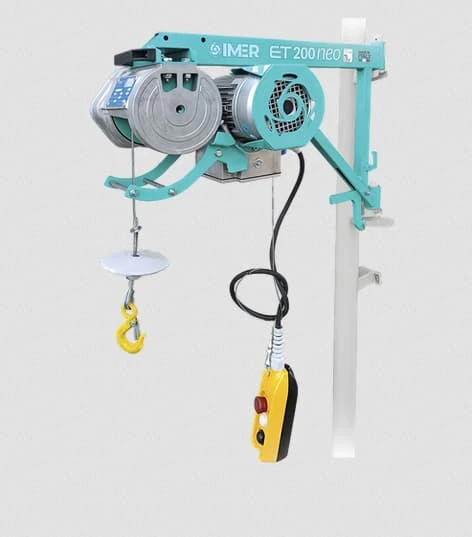

Setting up lifting equipment correctly is one of the most important responsibilities on any construction site. A scaffold hoist 200kg capacity model is designed to move materials safely and efficiently, but only when it is installed and used according to proper guidelines. Understanding how to position, assemble, test, and maintain this equipment can help prevent hazards and keep operations running smoothly. This guide explores essential setup tips that every contractor, builder, and site operator should know when working with a scaffold hoist 200kg unit.
Understanding the Purpose of a 200kg Scaffold Hoist
Why This Capacity Matters
A scaffold hoist with a 200kg capacity is commonly chosen because it suits a wide range of lifting tasks without requiring heavy industrial machinery. It can lift bricks, buckets, tools, and bagged materials with ease. This makes it highly suitable for residential builds, commercial projects, and maintenance work where consistent vertical lifting is needed.
Typical Use Cases
This type of hoist is often mounted on scaffold structures to move loads from the ground to higher working platforms. The controlled lifting process helps reduce manual handling requirements and improves productivity across the site.
Preparing for Installation
Conducting a Site Assessment
Before setting up a scaffold hoist 200kg model, a thorough assessment of the installation area is essential. The scaffold must be stable, properly erected, and strong enough to support both the hoist and the weight of the loads. Checking the integrity of the structure prevents unnecessary risks once lifting operations begin.
Ensuring Power Supply Compatibility
Most 200kg hoists operate on a construction safe voltage. It is important to verify that the available power matches the hoist requirements, including plug type and transformer compatibility. This reduces the risk of electrical faults and ensures smooth operation.
Proper Positioning of the Hoist
Selecting the Correct Mounting Point
A scaffold hoist must be attached to a robust and secure section of the scaffold. The ideal mounting point is a location that aligns with the expected lifting path and allows unobstructed movement of the load. Avoid placing the hoist near edges or unsupported areas of the scaffold.
Verifying Height and Reach
Before installation, it is helpful to identify the required lifting height and ensure the hoist cable length can cover the entire distance. Overextending the cable can lead to operational strain, while insufficient length can disrupt the workflow.
Installing the Hoist Safely
Securing Brackets and Supports
A scaffold hoist 200kg model typically uses fixed or swivel brackets. These must be attached tightly using the correct fittings and weight rated fixings. Each connection point should be double checked for proper alignment and strength.
Attaching the Hoist Body
Once the bracket is installed, the hoist motor body can be fitted. It should sit firmly in place, without unwanted movement or vibration. Ensuring this stability protects the hoist during operation and helps extend its service life.
Testing Before Use
Performing a No Load Test
Before lifting any materials, a no load test allows the operator to check the hoist movement, control function, and braking system. The cable should run smoothly from bottom to top without jerking or unusual sounds.
Checking the Brake Function
A scaffold hoist 200kg unit relies heavily on an effective brake to prevent dropped loads. Testing the brake ensures it engages quickly and holds weight steadily when lifting and lowering.
Ensuring Safe Use During Operation
Understanding Load Limits
The hoist must never be used to lift more than its rated capacity. Even if the equipment appears capable of carrying a heavier load, exceeding the limit can strain internal components and increase the risk of failure.
Using Recommended Lifting Accessories
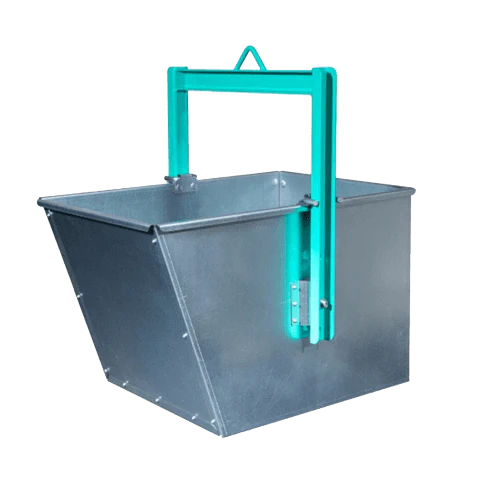
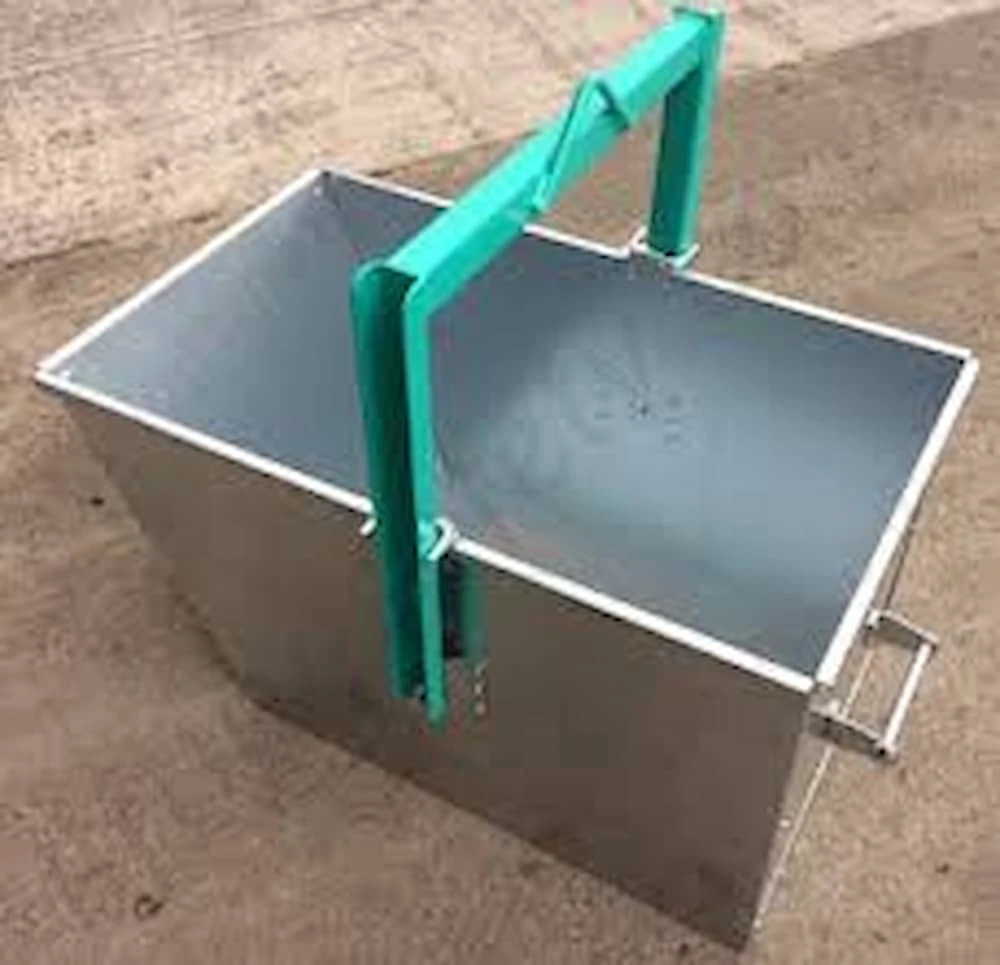
Using certified lifting attachments such as buckets, skips, or lifting bars ensures the load remains secure. Makeshift lifting methods should be avoided because they can shift, tip, or release unexpectedly.
Cable and Hook Management
Inspecting the Wire Rope
A wire rope should always be checked for wear, fraying, or flattening. A compromised cable can break under load and must be replaced immediately if damaged.
Correct Hook Engagement
The hook must fully engage with the lifting accessory and the safety latch should always be closed. This prevents accidental detachment during lifting.
Operator Awareness and Control
Ensuring Clear Communication
The operator should have a clear view of the lifting path whenever possible. If visibility is restricted, another team member should assist with signals to guide the process.
Keeping the Area Clear
No one should stand beneath a suspended load. A safe working zone must be established so that the hoist can operate without interruption or risk to nearby workers.
Maintenance Requirements
Regular Lubrication
Lubricating moving parts such as gears and pulleys helps maintain the performance of the scaffold hoist 200kg system. It also reduces wear caused by continuous daily use.
Scheduled Inspections
Routine inspections help identify issues early. Checking the motor, cable, switches, electrical connections, and structural fittings ensures the hoist remains reliable and safe.
Common Mistakes to Avoid
Improper Mounting
Inadequately secured brackets or incorrect scaffold positioning can cause the hoist to shift or loosen during operation.
Ignoring Warning Signs
Unusual noises, slow movement, or jerky lifting may indicate developing mechanical issues. Stopping the hoist immediately and investigating these signs can prevent accidents.
Overloading
Even slight overloading can put unnecessary strain on the hoist. Always remain within the 200kg limit to preserve equipment integrity.
Training and Competence
The Importance of Trained Operators
A scaffold hoist should only be operated by individuals who understand the control system and safety procedures. Proper training ensures responsible use.
Range of Skills Required
Operators should know how to judge load security, inspect equipment, understand signals from colleagues, and stop the hoist safely in the event of a malfunction.
The Role of Proper Setup in Long Term Performance
Enhancing Hoist Lifespan
A well installed scaffold hoist 200kg model tends to last longer because it experiences less strain and fewer incidents of misuse. Proper alignment and secure fittings help the motor and cable perform predictably.
Reducing Repair Costs
Many hoist failures stem from poor installation or inadequate maintenance. By following the correct setup procedures, operators can reduce downtime and avoid costly repairs.
Conclusion
Setting up a scaffold hoist 200kg unit requires attention to detail, proper site preparation, and commitment to safety at every stage. When the hoist is installed correctly and maintained with care, it becomes a reliable tool that supports efficient material lifting throughout the duration of a project. For contractors and site managers who want dependable lifting solutions, expert guidance and quality equipment are essential. For assistance in choosing the right hoist and ensuring safe setup, CLM Construction Supplies is ready to help.

























Sign in to leave a comment.