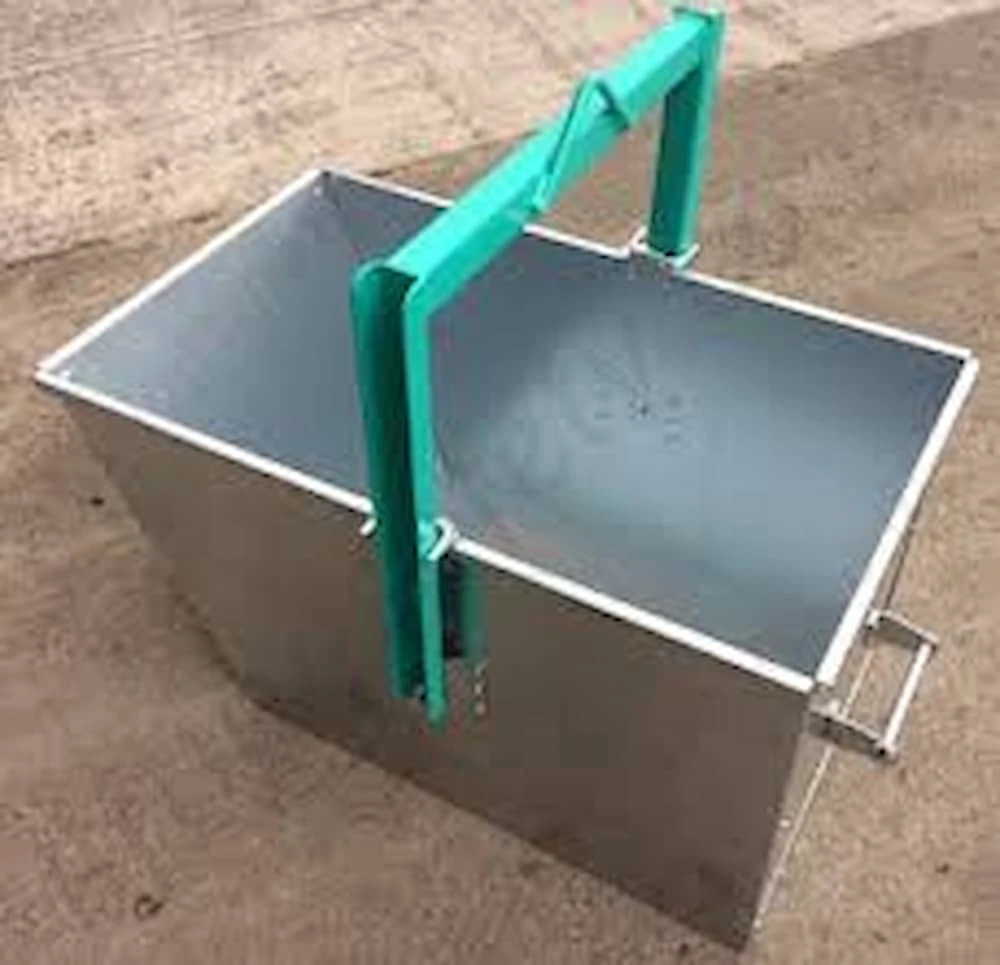

In modern construction and industrial environments, lifting equipment plays a crucial role in improving efficiency and safety. A hoist basket is a versatile tool designed to transport materials securely to elevated areas. Positioned in the middle of operational workflows, this equipment ensures smoother handling of loads while minimizing manual labor. By enabling controlled lifting, it significantly reduces the risk of workplace injuries and enhances overall productivity in demanding project conditions.
The importance of such equipment lies in its ability to adapt to various tasks, from moving tools to transporting heavy materials. Its design focuses on stability, durability, and ease of use, making it an essential component on construction sites. By streamlining vertical transportation, it allows workers to focus on precision and quality, ultimately contributing to faster project completion and better results.
Different Types of Hoist Baskets
Standard Material Baskets
Standard material baskets are commonly used for lifting general construction supplies such as bricks, tools, and small equipment. These baskets are typically built with strong steel frames to withstand heavy loads and harsh conditions. Their simple design ensures reliability while allowing for easy loading and unloading. They are often preferred for routine lifting tasks where consistency and safety are essential.
These baskets are available in various sizes to accommodate different load capacities. Their versatility makes them suitable for both small scale and large scale projects. By offering a secure way to transport materials, they help maintain an organized and efficient workflow on site, reducing delays and improving overall productivity.
Specialized and Custom Baskets
Specialized baskets are designed for specific tasks, such as lifting fragile materials or handling irregularly shaped items. These baskets often include additional features like reinforced sides or protective linings. Custom options allow businesses to tailor the basket according to project requirements, ensuring optimal performance in unique scenarios.
Such designs are particularly useful in industries where precision and care are critical. By addressing specific challenges, specialized baskets enhance safety and efficiency. Their adaptability ensures that even complex lifting tasks can be managed effectively, making them a valuable investment for diverse applications.
Common Uses of Hoist Baskets
Construction and Building Projects
In construction settings, a hoist basket is widely used to transport materials such as cement, bricks, and tools to higher levels. This reduces the need for manual carrying, which can be both time consuming and physically demanding. By improving material flow, it supports faster progress and ensures that workers have the necessary supplies at the right time.
The use of such equipment also contributes to better site organization. Materials can be lifted and delivered precisely where needed, minimizing clutter and enhancing safety. This streamlined approach helps maintain a productive environment, even on busy construction sites with multiple ongoing activities.
Industrial and Maintenance Applications
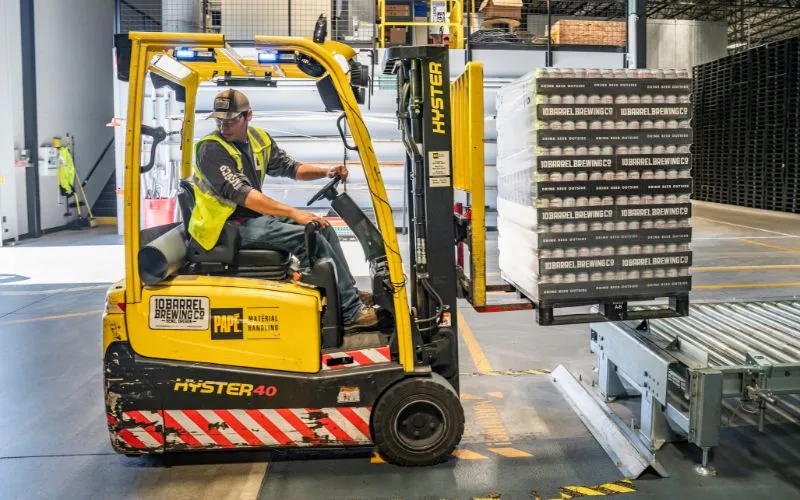
Beyond construction, hoist baskets are used in industrial facilities for maintenance and repair tasks. They allow workers to safely transport equipment and materials to elevated areas, such as storage racks or machinery platforms. This makes them an essential tool in warehouses, factories, and other industrial settings.
Their ability to handle various types of loads ensures flexibility in operations. Whether it involves moving spare parts or handling maintenance tools, these baskets provide a reliable solution. By improving accessibility and efficiency, they play a key role in maintaining smooth industrial operations.
Key Features to Look For
Durability and Build Quality
A high quality hoist basket should be constructed from robust materials that can withstand heavy usage. Steel is commonly used due to its strength and resistance to wear and tear. Reinforced joints and secure welding further enhance durability, ensuring that the basket remains reliable over time.
Investing in durable equipment reduces the risk of breakdowns and costly repairs. It also ensures consistent performance, which is essential for maintaining productivity. A well built basket provides peace of mind, knowing that it can handle demanding tasks without compromising safety.
Safety Mechanisms and Design
Safety is a critical consideration when selecting lifting equipment. Features such as secure locking systems, stable bases, and protective barriers help prevent accidents. Proper design ensures that the load remains balanced during lifting, reducing the risk of tipping or falling materials.
Additional safety features, such as non slip surfaces and reinforced edges, further enhance usability. These elements contribute to a safer working environment by minimizing potential hazards. Choosing a basket with advanced safety mechanisms ensures that both workers and materials are protected at all times.
Safety Tips for Using Hoist Baskets
Proper Loading Techniques
Correct loading practices are essential for safe operation. Materials should be evenly distributed within the basket to maintain balance during lifting. Overloading must be avoided, as it can strain the equipment and increase the risk of accidents. Following recommended weight limits ensures optimal performance and safety.
Workers should also secure all items properly before lifting. Loose materials can shift during movement, leading to instability. By adopting proper loading techniques, teams can reduce risks and ensure smooth and efficient operations on site.
Regular Inspection and Maintenance
Routine inspections are crucial for identifying potential issues before they become serious problems. Checking for signs of wear, damage, or loose components helps maintain the integrity of the basket. Regular maintenance ensures that the equipment remains in good working condition.
Proper upkeep not only extends the lifespan of the basket but also enhances safety. Addressing minor issues promptly prevents costly repairs and reduces downtime. By prioritizing maintenance, businesses can ensure reliable performance and a safer working environment.
Choosing the Right Hoist Basket for Your Needs
Assessing Project Requirements
Selecting the right equipment begins with understanding the specific needs of a project. Factors such as load capacity, frequency of use, and type of materials being lifted should be carefully considered. This ensures that the chosen basket meets operational demands effectively.
Evaluating project requirements also helps in optimizing efficiency. By choosing a basket that aligns with the task, businesses can improve productivity and reduce unnecessary complications. This thoughtful approach leads to better outcomes and smoother workflows.
Comparing Options and Making Decisions
When choosing a hoist basket, it is important to compare different options based on quality, features, and performance. Reviewing specifications and considering user needs can help in making an informed decision. This ensures that the selected equipment provides the best value for investment.
Taking the time to evaluate options also helps in identifying the most suitable solution for long term use. A well chosen basket enhances efficiency, safety, and reliability. By making a careful decision, businesses can ensure successful project execution and consistent results.
Conclusion
Hoist baskets are essential tools that support safe and efficient material handling across construction and industrial environments. From understanding their types and uses to recognizing key features and safety practices, proper knowledge plays a vital role in maximizing their benefits. By selecting the right equipment and following best practices, businesses can improve productivity while maintaining a secure working environment. For reliable solutions and expert support, CLM Construction Supplies stands as a trusted choice.





















Sign in to leave a comment.