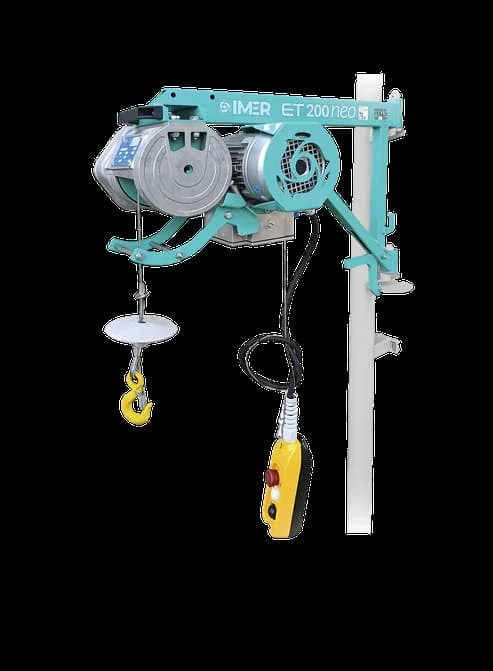

In the construction industry, efficient vertical transportation of materials is essential for maintaining productivity and meeting deadlines. As projects grow in complexity, the demand for reliable lifting solutions continues to increase. Scaffold hoists have become a key component in modern construction, enabling safe and efficient movement of materials to elevated work areas. Understanding how these systems function and what to consider before purchasing can help contractors make informed decisions that improve workflow and overall project performance.
What Is a Scaffold Hoist?
A scaffold hoist is a lifting device specifically designed to transport materials vertically along scaffolding structures. It is commonly used on construction sites to move items such as bricks, tools, and equipment to higher levels. In the middle of construction operations, the scaffold hoist plays a crucial role in reducing manual labor and ensuring a steady supply of materials, which significantly enhances efficiency on-site.
These hoists are typically powered by electric motors and are mounted securely to scaffolding systems. Their design allows them to handle heavy loads while maintaining stability, making them an essential tool for projects that involve multi-story construction or complex building designs.
Types of Scaffold Hoists
Builder’s Hoists
Builder’s hoists are commonly used for general material lifting on construction sites. They are designed to handle a wide range of materials, from bricks and cement to tools and equipment. These hoists are known for their durability and reliability, making them suitable for everyday use in demanding environments.
They are available in different load capacities and configurations, allowing contractors to choose the right model based on project requirements. Their versatility makes them one of the most popular choices for construction professionals.
Passenger and Material Hoists
Passenger and material hoists are designed to carry both workers and materials safely to elevated areas. These systems are equipped with enclosed platforms and advanced safety features to ensure secure transportation. They are commonly used in large-scale construction projects where efficiency and safety are critical.
Unlike standard builder’s hoists, these systems require strict compliance with safety regulations. Their advanced design makes them suitable for projects that involve frequent movement of personnel and materials.
Key Features to Consider Before Buying
Load Capacity and Height
One of the most important factors to consider when purchasing a scaffold hoist is its load capacity. The hoist must be capable of handling the maximum weight required for the project without compromising safety. Choosing the right capacity ensures efficient operation and prevents equipment failure.
Height capability is equally important, as it determines how high materials can be lifted. Contractors should evaluate the height requirements of their project to ensure the hoist meets their needs effectively.
Power Source and Performance
A scaffold hoist is typically powered by electricity, with options such as 110V or 230V depending on site requirements. The power source affects the hoist’s performance and suitability for different environments. Choosing the right power option ensures consistent and reliable operation.
Performance features such as lifting speed and motor efficiency also play a significant role. A high-performance hoist can reduce lifting time and improve overall productivity, making it a valuable investment for construction projects.
Safety Features and Compliance
Safety is a top priority when using lifting equipment, and a scaffold hoist must include essential safety features such as emergency stop functions, overload protection, and secure braking systems. These features help prevent accidents and ensure safe operation on-site.
Compliance with industry standards is also crucial. Contractors should ensure that the hoist meets all relevant safety regulations and certifications. This not only ensures worker safety but also helps avoid legal issues and project delays.
Installation and Maintenance Considerations
Proper installation is essential for the safe and efficient operation of a scaffold hoist. It must be securely mounted to the scaffolding structure and tested thoroughly before use. Professional installation ensures that the hoist operates correctly and minimizes the risk of accidents.
Regular maintenance is equally important to ensure long-term performance. Routine inspections, lubrication, and timely repairs help keep the hoist in optimal condition. Investing in proper maintenance reduces downtime and extends the lifespan of the equipment.
Cost and Long-Term Value
The cost of a scaffold hoist can vary depending on its features, capacity, and brand. While it may be tempting to choose a lower-cost option, investing in a high-quality hoist provides better long-term value. Durable equipment reduces maintenance costs and ensures reliable performance over time.
Additionally, a well-chosen hoist can improve productivity and reduce labor costs, leading to significant savings in the long run. Evaluating both initial cost and long-term benefits is essential for making a smart purchasing decision.
Conclusion
Scaffold hoists are an essential tool for modern construction, offering efficient and safe material handling for a wide range of projects. By understanding the different types, key features, and safety considerations, contractors can make informed decisions that enhance productivity and ensure reliable performance. Investing in the right equipment not only improves workflow but also contributes to long-term project success. For those seeking dependable and high-quality lifting solutions, CLM Construction Supplies provides equipment designed to meet the demands of today’s construction industry.


























Sign in to leave a comment.