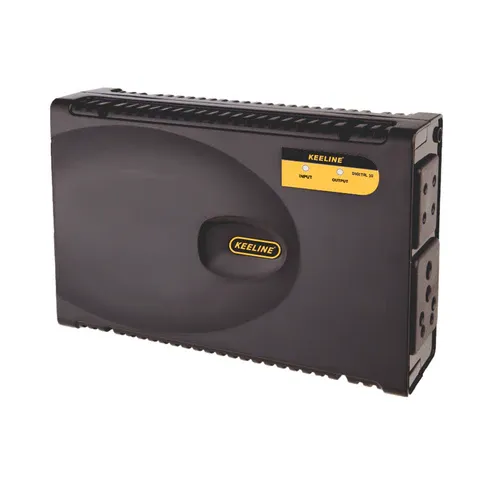

Modern televisions are sophisticated electronic devices that combine high-resolution displays, powerful processors, smart connectivity, and advanced audio systems. These features make today's TVs more capable, but they also contain sensitive electronic components that can be affected by unstable electricity. Sudden power surges, voltage spikes, and fluctuations may put unnecessary stress on the TV's internal circuits and power supply.
A TV stabilizer provides an additional layer of electrical protection by regulating the voltage supplied to the television. It helps manage fluctuations and reduces the risk associated with sudden changes in power. Understanding how this protection works can help homeowners make informed decisions about safeguarding their valuable televisions.
What Is a Power Surge?
A power surge is a sudden and temporary increase in electrical voltage. Unlike normal voltage fluctuations, a surge can occur rapidly and may expose electronic devices to voltage levels above their recommended operating range.
Power surges can happen because of:
- Sudden restoration of electricity
- Grid switching operations
- Transformer problems
- Electrical faults
- Lightning-related disturbances
- Heavy appliances switching on or off
Even a short-duration surge can potentially affect sensitive electronic components inside a television.
What Does a TV Stabilizer Do?
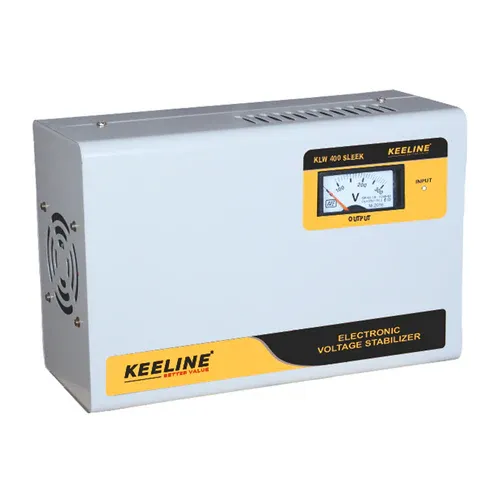
A TV stabilizer is designed to regulate incoming voltage before it reaches the television. It continuously monitors the power supply and helps correct voltage variations to provide a more stable output.
When the incoming voltage changes, the stabilizer's internal regulation system responds accordingly. This helps prevent excessive or insufficient voltage from directly reaching the TV.
The main purpose is not to improve picture quality but to create a more suitable electrical environment for the television.
How Does It Protect Against Voltage Surges?
When an unexpected increase in voltage occurs, a quality stabilizer detects the change and regulates the output. Depending on the design and protection features of the particular model, it can help limit the impact of excessive voltage and protect connected equipment.
This is particularly useful for televisions with sensitive components such as:
- Power supply boards
- Main circuit boards
- Display control circuits
- Processors
- Smart TV modules
By helping control the voltage supplied to the TV, a TV stabilizer reduces electrical stress on these components.
Protection During Power Restoration
Power cuts are common in many areas, but the moment electricity returns can also create electrical challenges. Voltage may fluctuate or briefly rise as the supply is restored.
A television connected directly to an unstable supply may be exposed to these sudden changes. A stabilizer helps regulate the incoming voltage before it reaches the TV, providing additional protection during the restoration process.
This can be particularly useful in areas that experience frequent power interruptions.
Helps Protect the TV Power Supply
The power supply unit is one of the key electrical sections of a television. It converts incoming electricity into the appropriate power required by the TV's internal circuits.
Voltage fluctuations can place stress on this system. Repeated electrical stress may contribute to component wear or failure over time. A TV stabilizer helps maintain regulated voltage, supporting safer operation of the TV's power supply and reducing the impact of unstable electricity.
Protection for Smart and Large-Screen TVs
Modern Smart TVs, OLED TVs, QLED TVs, and large-screen LED televisions contain advanced electronics. Their higher level of functionality means that they may have more sensitive components than older television models.
Features such as Wi-Fi connectivity, streaming systems, voice controls, high-resolution processors, and advanced display technologies rely on electronic circuits that benefit from stable power. Using a TV stabilizer can provide an additional layer of protection for these systems against voltage fluctuations.
Does a Stabilizer Prevent Every Power Surge?
It is important to understand that a stabilizer is not a guarantee against every type of electrical event. The level of protection depends on the stabilizer's design, operating range, and safety features. Some models may provide voltage regulation along with surge, overload, short-circuit, or high-voltage protection.
Therefore, buyers should carefully check the specifications and protection features before choosing a stabilizer for their television.
Benefits of Using a TV Stabilizer
Installing a suitable stabilizer can provide several practical advantages:
1. Regulated Voltage
It helps maintain a more consistent voltage supply for the television, reducing the impact of fluctuations.
2. Reduced Electrical Stress
Stable power can reduce unnecessary stress on sensitive electronic components.
3. Added Protection
It provides an additional protective layer between the electricity supply and the television.
4. Better Reliability
Consistent electrical conditions can support dependable day-to-day TV operation.
5. Protection During Fluctuations
It helps manage high and low voltage conditions within its specified operating range.
How to Choose the Right Stabilizer for a TV
Not every stabilizer is suitable for every television. Before purchasing one, consider the TV's power requirements and the electrical conditions in your area.
Important factors include:
- Television type and size
- Required capacity
- Input voltage range
- Output voltage
- High-voltage protection
- Low-voltage protection
- Surge protection
- Overload protection
- Warranty and product quality
Choosing a properly rated model ensures that the stabilizer can provide appropriate protection without being overloaded.
Stabilizer vs. Direct Connection
Connecting a television directly to a wall socket may be sufficient in areas with consistently stable electricity. However, households experiencing frequent voltage fluctuations may benefit from additional voltage protection.
A TV stabilizer acts as an intermediary between the power supply and the television. It helps regulate incoming voltage, reducing the exposure of the TV to unstable electrical conditions. This can be especially valuable when the television is an expensive Smart, OLED, QLED, or large-screen model.
Why Voltage Protection Is a Long-Term Investment
Replacing a damaged television component can be expensive, particularly when the issue involves the power board, motherboard, or display-related electronics. A stabilizer is a preventive measure designed to reduce electrical risks. While it cannot eliminate every possible cause of TV failure, it can help manage voltage-related problems and support long-term appliance reliability.
Protecting a valuable television from unstable electricity can therefore be a sensible investment, especially in areas where power quality is inconsistent.
Conclusion
A TV stabilizer helps protect a television by regulating incoming voltage and reducing the impact of fluctuations, voltage spikes, and unstable power conditions. It can provide additional protection for the TV's power supply, circuit boards, processors, and other sensitive electronic components.
For modern Smart, LED, OLED, and QLED televisions, stable electricity is an important part of maintaining reliable operation. By selecting a stabilizer with the appropriate voltage range and protection features, homeowners can add an extra layer of safety and help protect their television investment from common electrical disturbances.




























Sign in to leave a comment.