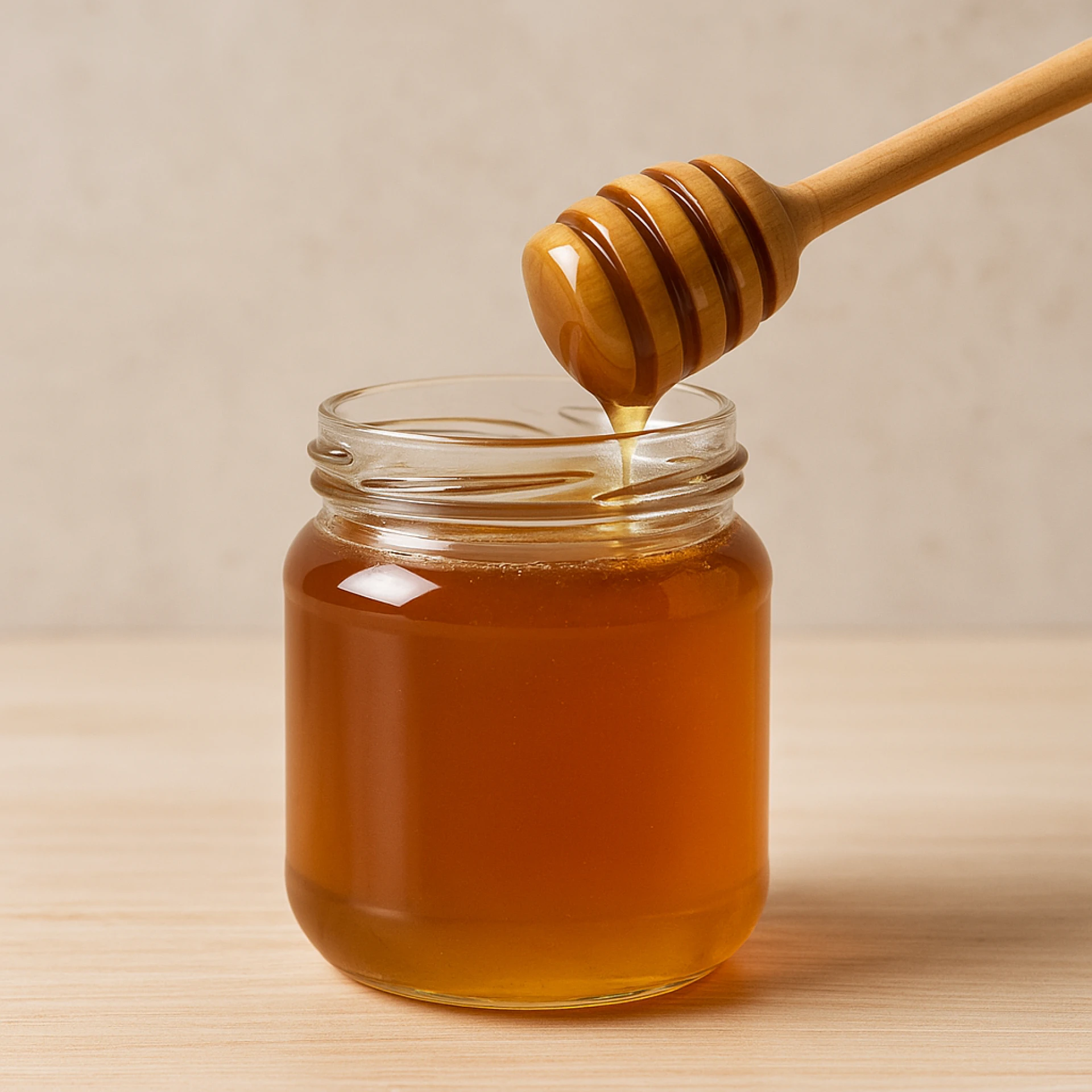

Honey has always been valued as a natural sweetener and home remedy, but with growing awareness about purity and health, many consumers now prefer organic honey over regular varieties. While both may look similar, the differences in sourcing, processing, and farming practices make organic honey significantly superior in quality, safety, and nutritional value. Understanding these differences helps consumers make better choices for their health and daily routines.
Below is a detailed, easy-to-understand breakdown of how organic honey stands apart from regular honey.
1. Sourcing Standards: Where the Honey Comes From Matters
The journey of organic honey begins with strict sourcing conditions that ensure the bees collect nectar from chemical-free environments.
Organic Honey Comes From Uncontaminated Regions
For honey to qualify as organic, the beehives must be placed in areas where flowers, plants, and soil are free from:
- Synthetic pesticides
- Chemical fertilizers
- Genetically modified crops
- Industrial pollutants
This means organic honey often comes from remote forests, wild regions, or farms certified for organic agriculture.
Regular Honey May Come From Chemically Treated Farms
In contrast, regular honey is commonly derived from farms that may use pesticides or fertilizers. Bees do not distinguish between organic and non-organic flowers, so the nectar may contain traces of chemicals that eventually appear in the honey.
2. Farming Practices: How Beekeepers Care for the Hive
Organic beekeeping follows strict guidelines focused on the well-being of bees and the purity of honey.
Healthy, Natural Hive Management
Organic beekeepers avoid:
- Antibiotics
- Harmful miticides
- Synthetic repellents
- Plastic frames or chemical-based wax sheets
Instead, they use natural methods to keep the hives healthy, such as herbal treatments, clean wooden hives, and organic-approved wax foundations.
Regular Beekeeping Often Uses Antibiotics
To increase production and prevent disease, conventional beekeepers may use antibiotics or chemical treatments that can contaminate honey. Some residues remain even after processing, lowering its purity.
3. Processing Methods: How the Honey Is Treated
Processing is one of the biggest factors that separates organic honey from regular honey.
Organic Honey Is Minimally Processed
It is usually:
- Cold-filtered
- Unheated or lightly warmed
- Unpasteurized
- Free from artificial preservatives
By avoiding high heat and refining, organic honey retains:
✔ Natural enzymes
✔ Antioxidants
✔ Pollen content
✔ Vitamins and minerals
✔ Real flavor and texture
Regular Honey Often Undergoes Heavy Processing
Common practices include:
- High heat pasteurization
- Fine filtration that removes pollen
- Additives to improve texture
- Blending with syrups or lower-quality honey
Pasteurization may make honey look clearer, but it destroys its natural nutrients and beneficial enzymes. Many regular honey brands also blend honey from multiple sources, reducing purity and quality.
4. Pesticide-Free Standards: The Core Difference
To be labeled organic, honey must meet strict pesticide-free and antibiotic-free standards set by certification authorities. The entire production chain — from plants to beekeeping to packaging — must be free from chemicals.
Why Pesticide-Free Matters
Pesticides can affect honey in two ways:
- Bees may collect nectar from treated plants.
- Chemical residues may remain in the hive wax or honeycomb.
Long-term exposure to pesticide residues may be harmful to consumers, especially children and elderly individuals. Organic honey eliminates this risk by ensuring all stages of honey production are chemical-free.
Regular Honey May Contain Residues
Multiple studies show that commercially available honey can contain traces of pesticides, antibiotics, and heavy metals due to non-organic farming and beekeeping practices.
5. Nutritional Value: Why Organic Honey Is Healthier
The purity and minimal processing of organic honey allow it to retain a rich nutrient profile.
More Enzymes and Antioxidants
Organic honey contains antioxidants such as:
- Flavonoids
- Polyphenols
- Organic acids
These help fight inflammation, boost immunity, and support long-term health.
Better for Digestion
Because organic honey is not pasteurized, it preserves natural enzymes like:
- Amylase
- Diastase
- Invertase
These enzymes support digestion and help break down sugars naturally.
No Added Sugars or Syrups
Regular honey is sometimes mixed with:
- High-fructose corn syrup
- Rice syrup
- Glucose syrup
Such additives reduce nutritional value and can contribute to unhealthy sugar consumption. Organic honey guarantees purity and transparency.
6. Taste and Texture: The Natural Advantage
Organic honey has a more natural taste with floral notes and subtle variations based on the flowers visited by bees. It may appear cloudy or crystallize quickly — which is a sign of purity.
Regular honey often looks extremely clear and smooth due to pasteurization and filtration, but these processes also reduce flavor and nutrients.
7. Environmental Impact: Organic Honey Supports Eco-Friendly Practices
Organic beekeeping encourages biodiversity and sustainable agriculture. It avoids harmful chemicals that damage soil, water, plants, and the health of bee colonies. This contributes to a balanced ecosystem and supports pollination, which benefits the environment overall.
Conclusion
The difference between organic honey and regular honey is much bigger than appearance or price. From sourcing to processing, every step of organic honey production is strictly monitored to ensure purity, safety, and nutritional value. When you choose organic honey, you are choosing a product that is:
- Chemical-free
- More nutritious
- Rich in antioxidants
- Naturally flavorful
- Environmentally responsible
For anyone looking to upgrade their daily diet and wellness routine, organic honey is a superior choice that offers long-term health benefits and unmatched purity.































Sign in to leave a comment.