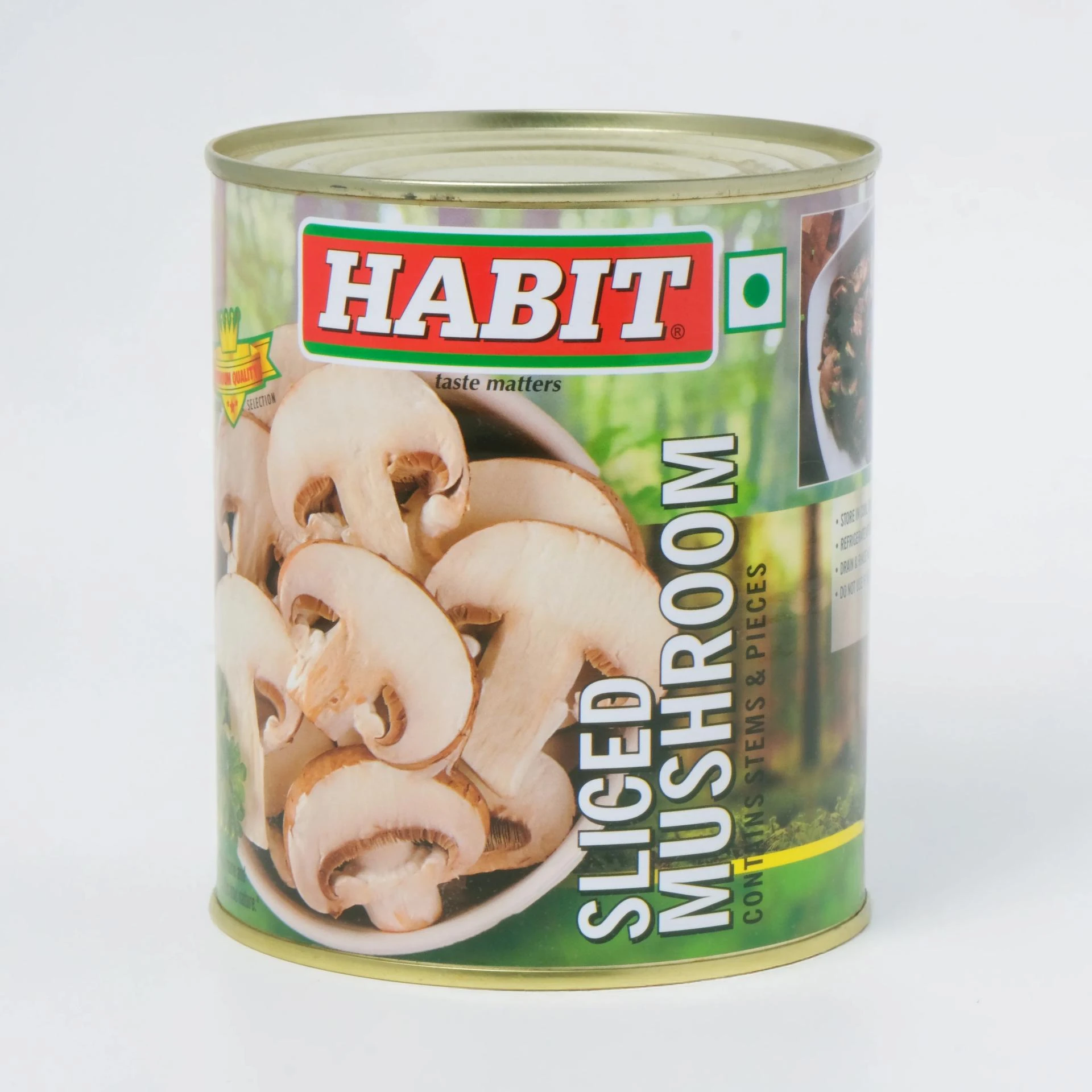

Food waste has become a serious concern in many Indian households. With rising grocery costs, busy lifestyles, inconsistent cooking schedules, and unpredictable consumption habits, many fresh vegetables end up spoiling before they are used. This not only affects household budgets but also contributes to a larger environmental issue. One practical, cost-efficient solution increasingly gaining popularity across Indian kitchens is canned vegetables. Far from being a compromise, they offer convenience, long shelf life, and consistent quality, making them a smart choice for reducing food waste.
The Rising Food Waste Problem in Indian Homes
India discards millions of tonnes of fruits and vegetables each year. Many families buy fresh produce intending to cook wholesome meals throughout the week. However, unexpected schedule changes, travel, work demands, or simple forgetfulness often lead to vegetables rotting in the refrigerator.
Canned vegetables address this problem by offering pre-cleaned, pre-cooked, long-lasting ingredients that stay usable for months without losing their essential nutrients. When stored properly, they eliminate the common issue of spoilage, ultimately reducing kitchen waste.
Why Canned Vegetables Last Longer and Reduce Spoilage
One of the biggest advantages of canned vegetables is their extended shelf life. Unlike fresh produce that may spoil within days, canned options can stay good for 1–2 years. This longevity is achieved through:
- Airtight sealing that prevents contamination
- Heat processing that kills bacteria and enzymes
- Zero exposure to oxygen, which slows deterioration
With no need for refrigeration until opened, canned vegetables stay fresh and ready to use, ensuring that nothing goes to waste, especially during busy weeks when cooking schedules fluctuate.
Perfect for Small Families and Single-Person Households
In modern Indian households, especially those in metro cities, family sizes are shrinking. Many individuals live alone or with a partner, making it difficult to finish large quantities of fresh vegetables before they spoil.
Canned vegetables help by offering:
- Pre-portioned quantities
- Minimal cooking effort
- Longer storage options
This prevents half-used vegetables from being forgotten and thrown away, making them perfect for compact kitchens.
Convenience That Helps Avoid Last-Minute Food Waste
One of the most common reasons food gets wasted is last-minute changes in meal plans. People often buy vegetables intending to follow a weekly meal plan, but sudden cravings, unexpected guests, outings, or busy workweeks often lead to fresh produce spoiling untouched.
Canned vegetables eliminate this problem because they can be stored long-term and used as needed, without pressure to cook immediately. They ensure that no ingredient is wasted simply because schedules have changed.
Consistent Quality in Every Season
Seasonal changes affect the availability and freshness of vegetables in India. During the monsoon, contamination risks increase. In summer, vegetables dehydrate faster. Winter brings shortages for certain varieties.
However, canned vegetables maintain:
- Consistent appearance
- Stable texture
- Uncompromised taste
Since they are packed at peak freshness, you always get reliable quality. This consistency prevents people from discarding vegetables due to poor freshness or unexpected spoilage.
Ideal for Quick Meals and Reducing Takeout Waste
Another indirect way canned vegetables reduce food waste is by encouraging home cooking. Many Indians tend to order food or eat outside when they feel too tired to chop and cook fresh vegetables. Over time, this leads to unused produce rotting in the fridge.
Canned vegetables offer a quicker alternative. They can be added directly to:
- Stir-fries
- Curries
- Pulao
- Soups
- Pasta
- Sandwich fillings
With prep time nearly eliminated, they help families cook more at home, reducing the waste of unused fresh ingredients.
Portion Control for Smart Cooking
Portion control plays a significant role in minimizing food waste. Many households buy vegetables in bulk due to discounts, habit, or lack of planning. However, bulk purchases often lead to spoilage.
Canned vegetables come in sizes that match everyday cooking needs. This makes it easier to:
- Use exactly what is required
- Avoid cutting extra vegetables
- Prevent leftovers from spoiling
Once opened, even leftover canned vegetables can be stored safely in airtight containers for later use.
Reducing Waste in Rural and Remote Areas
In remote or rural regions where fresh produce may not always be available or affordable, canned vegetables act as a reliable option. They help families avoid wasting vegetables that spoil during transportation or improper storage.
Their long shelf life ensures that every rupee spent is fully used, and no part of the vegetable needs to be thrown away due to early spoilage.
Environmentally Friendly Food Storage Option
While some people assume fresh produce is always better for the environment, the truth is that the carbon footprint of wasted food is much higher. When vegetables are discarded, all the water, land, labor, transportation, and energy used to grow them are also wasted.
Using canned vegetables helps reduce this hidden environmental impact by ensuring:
- Higher consumption of what is purchased
- Reduced spoilage
- Fewer trips to the market
- Better resource utilization
This makes canned vegetables an eco-friendly choice for sustainable Indian kitchens.
Conclusion: A Smart Step Toward Waste-Free Kitchens
In today’s fast-paced lifestyle, minimizing food waste is not only a financial benefit but also an environmental responsibility. Canned vegetables offer a perfect solution by combining convenience, nutrition, and long shelf life, ensuring that every purchase is fully used and nothing ends up in the trash. Whether you’re a busy professional, a parent managing meals, or someone who wants a more efficient kitchen, canned vegetables can help you cook smarter and waste less.

































Sign in to leave a comment.